
First Time Safari Masai Mara: The Honest 2026 Guide
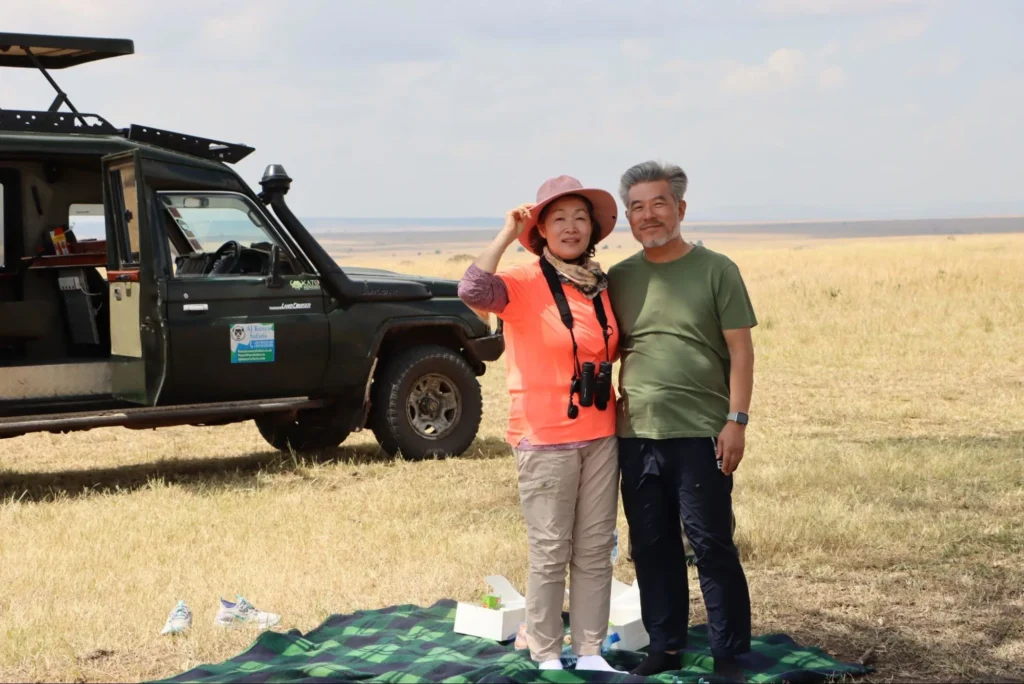
A first time safari in the Masai Mara is shaped more by four or five decisions made before arrival than by anything that happens on the ground. The guide, the vehicle, the conservancy vs reserve question, and the trip length determine the experience. The camp matters less than most first-timers think. This guide covers the decisions that make the difference, the mistakes that waste time or money, and what the first few days actually feel like.
The Decisions That Matter Most
Strategic Choice | 2026 First-Timer Best Practice |
Guide Certification | Prioritize a KPSGA silver or gold-rated guide over luxury camp aesthetics. |
Vehicle Allocation | Budget for a private 4×4 Land Cruiser to control your own sighting timelines. |
Location Access | Stay in private conservancies to unlock night drives and walking safaris. |
The guide is the trip
First-timers compare camps for weeks and barely ask about the guide. That’s backwards. A silver or gold KPSGA-certified guide at a mid-range camp finds more wildlife and tells better stories than a junior driver at a luxury lodge, because the guide is the one working the VHF radio network where sightings are shared in coded language. Ask the operator who the guide is and what certification they hold.
Private vehicle vs shared changes every drive
On a shared vehicle with 5 or 6 guests, the majority decides when to leave a sighting. The couple who wants to watch a lion pride wake up gets outvoted by the group who wants to find an elephant. A private Land Cruiser removes that negotiation entirely and matters more than the accommodation tier. The safari cost guide breaks down what it costs.
Conservancy, reserve, and trip length
Staying in a conservancy opens the full activity list: walking safaris, night drives, off-road tracking, bush breakfasts, sundowners, and low vehicle density. Reserve lodges are limited to game drives and a balloon flight. The conservancy guide explains the differences. Trip length follows from this — 3 days fit game drives and one or two extras, while 5 days give enough time for the full list plus a village visit. Four days splits the difference. For Amboseli alongside the Mara, the 6-day circuit or three-park loop add Kilimanjaro.

What the First Days Feel Like
Nobody warns guests about the cold. The Mara sits at 1,500 metres, and at 6 AM it can be below 10°C. People pack for African heat and shiver through the entire first drive in a T-shirt. A fleece and windbreaker belong in the daypack for every morning. The other thing that hits immediately is the camera. A baboon near the gate, an impala herd by the road — the camera fires 400 frames in the first ten minutes. The common species are everywhere. Save the battery for the afternoon when the big cats are active and the light is good.
Tell the guide what matters. A guest who says “I really want to see a leopard” gets a guide who works the radio. A guest who stays quiet gets a generic drive.
The first night in an unfenced tented camp is louder than most people are ready for. Tree hyraxes scream — a sound like a child being strangled, which is alarming until the guide explains what it is. Hippos grunt on the lawn. Hyenas call from the perimeter. None of it is dangerous. The askari (Maasai guard) patrols all night, and the camp has operated with these animals walking through it for years. Flash a torch from the tent and the askari comes. By morning the sounds become background noise. By day three, it’s the 5 AM starts that catch up more than the wildlife. At least one half-day at camp makes the difference — watching hornbills from the tent veranda while the heat builds is part of the safari. The safety guide covers camp wildlife in detail.
The Mistakes First-Timers Make
Common Mistake | Practical Ground Reality & Fix |
Big Five Fixation | Scorecard hunting forces you to rush past intimate, memorable wildlife moments. |
Over-Scheduling | Trying to pack 5+ activities into 3 days causes burnout. Limit to 2 activities daily. |
Camp Lunch Breaks | Leaving the river corridors at noon means missing unpredictable migration crossings. |
The Big Five checklist. First-timers arrive with a mental scorecard — lion, leopard, elephant, buffalo, rhino — and the checklist makes them impatient through the smaller moments that actually stay with people. A dung beetle rolling its ball. A lilac-breasted roller catching an insect. A baby zebra nursing for the first time. Let the big cat sightings come through the guide’s radio network rather than chasing them.
The afternoon drive gets skipped too often, and activities get crammed in too tight. Morning gets the attention, but the golden hour between 4 and 6 PM produces the best photography light and the big cats are stirring after the midday heat. Guests exhausted from the early start stay in camp and miss it. The related mistake is trying to fit a morning drive, walking safari, balloon, village visit, and night drive into three days. Two activities per day is the comfortable limit.
During migration, returning to camp for lunch is the number one reason guests miss a river crossing. The crossing can happen at any hour. A packed lunch box keeps the vehicle at the river all day and most camps provide it at no extra charge. Crossings can’t be scheduled either — some guests wait three days, others catch two in one morning. The guide positions the vehicle at the best point, but the wildebeest decide when to go. The wildebeest migration page covers what to expect by month.
Questions First-Timers Ask
What should I pack?
Layers for a 20°C daily temperature swing, neutral colours, a soft duffel under 15 kg if flying in, binoculars, and a power bank. Everything is on the packing list.
How much does it cost?
$450 to $10,400+ per person depending on trip length, season, and accommodation. The cost guide breaks it all down including the hidden charges.
Is it safe?
Yes. Safer than most cities. The real risks are malaria, the highway from Nairobi, and hippos at camp after dark — all manageable with the right preparation. More in the safety guide.
How do I get there?
Drive (5-7 hours) or fly (45 minutes from Wilson Airport). Flying saves a full day on short trips. Both routes and the practical details between drives are on the site.
What’s the best time to visit?
July to October for migration. January to March for fewer crowds and lower prices. The wildlife is excellent year-round. Start a booking if dates are set, or send us your dates for a recommendation. All packages, luxury camps, fly-in transfers, and the full activity list are on the site.
This guide was authored by David Njunge, a TRA-licensed safari guide with over 10 years of experience, and edited by Cecilia Wambui, a travel consultant with a degree in Tourism and Hospitality Management.
Welcome to Masaimara.co.ke
Thank you for visiting us! We're excited to help you plan an unforgettable safari adventure across Kenya.