
Best Place to See Migration: The 2026 Location Guide
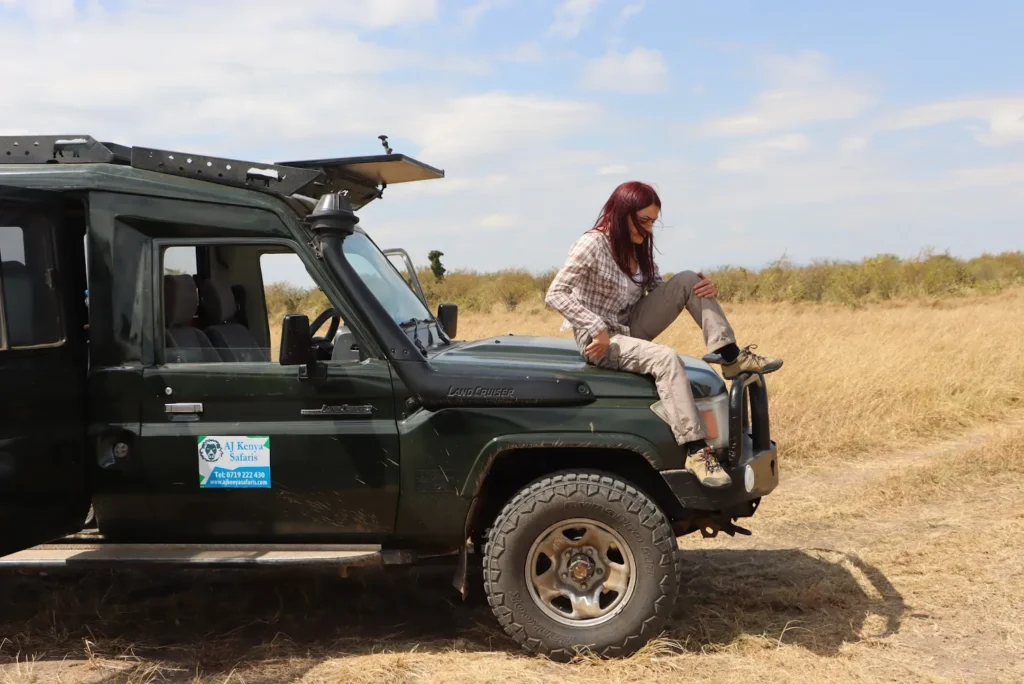
Where the camp is matters more than what it looks like. I’ve watched guests at a lodge with a swimming pool and a wine list miss every crossing during a 3-night stay because the river was 45 minutes away. At a simpler camp five minutes from the water, other guests watched four crossings in two days. A crossing can start and finish in under ten minutes. If the vehicle isn’t close when the herd commits, it’s over before the engine starts.
This guide is about location. Which part of the Mara produces crossings, which camps are close enough to get there in time, and which bank to park on when the herd starts moving. The Mara River crossing guide covers what happens during a crossing. The migration safari guide covers when to go and how to plan. This page covers where to be. For the 2026/2027 season, all-inclusive 5-day itineraries range from KES 252,200 ($1,940) to KES 1,348,100 ($10,370) per person sharing. Reserve entry is $100–$200/day. Conservancy fees ($80–$150/night) are included in camp rates.
Safari Costs (2026/2027)
All-inclusive prices per person sharing, based on two people in a private 4×4 Land Cruiser. Conservancy fees are included in camp rates. For migration season, the camp’s proximity to the river is built into the recommendation.
5-Day All-Inclusive Rates (Per Person Sharing)
Package Tier | Camps (Nakuru + Mara River Zone) | Regular Season (KES) | Peak Season (KES) |
Budget | Lake Nakuru Lodge / Ol Kinyei Adventure | KES 252,200 | KES 447,200 |
Mid-Range | Sarova Lion Hill / Karen Blixen Camp or Mara Intrepids | KES 304,200 | KES 538,200 |
Luxury | The Cliff Nakuru / Rekero Camp or Hammerkop Migration | KES 529,100 | KES 828,100 |
Luxury Plus | The Cliff Nakuru / Mara Ngenche or Angama Mara | KES 867,100 | KES 1,348,100 |
Note: Conservancy fees included. Reserve entry is extra ($100–$200/day). For a luxury safari or flying packages, request a custom quote.
What’s Covered
- A private 4×4 Safari Land Cruiser for the full trip.
- A TRA-licensed guide who knows the crossing points and monitors herd movements daily.
- All conservancy conservation fees and Lake Nakuru entry fees.
- Night drives, off-road tracking, and guided walking safaris with Maasai trackers.
- One-way return flight from the conservancy airstrip to Nairobi Wilson (flight details). Soft-sided duffel bags only, 15 kg limit.
- Full board, 3 meals daily. Packed bush lunches for full-day river stakeouts.
- AMREF Flying Doctors emergency air evacuation insurance.
What’s Excluded
- Kenya eTA (~$30).
- Tips (KES 3,000/day for guide).
- Alcohol and premium drinks.
- Hot air balloon ($450–$500).
- Main reserve entry fees if crossing into the public park ($100–$200/day extra).
- International flights.
The Two Crossing Zones
The crossings happen in two parts of the Mara, and understanding which one suits a guest is half the job.
The eastern zone runs along the Musiara-Talek corridor, from the Musiara airstrip south to where the Talek River meets the Mara. This is where most crossings happen. Crossing Point #7, the Lookout, and the loops near Governors’ Camp are all here. It’s also where most vehicles are. During August, forty vans at a single crossing point is normal in this zone.
The western zone is the Mara Triangle, managed separately by the Mara Conservancy. The crossing points near Serena Lodge and Purungat Bridge see fewer herds overall, but when crossings do happen, the audience is smaller. Rangers enforce vehicle limits at sightings, usually five or six maximum. The roads are better maintained. Coming down the Oloololo Escarpment into the Triangle is one of the most dramatic arrivals in the Mara — the whole western valley opens below.
There’s also the Sand River corridor at the extreme southern boundary, where the herds first cross from Tanzania into Kenya. This usually happens in late June or early July. The river here is wide, shallow, and sandy. The animals cross in long horizontal waves across golden sandbars rather than scrambling down steep mud banks. The vehicle convoys skip this area because there’s less dramatic carnage, which means the viewing is clean and quiet.
Where the Talek and Mara rivers meet, crossings can happen on both rivers. Mara Ngenche Safari Camp sits right at this confluence, which doubles the odds compared to a camp on a single stretch.
Migration Location / Corridor | Expert Field Interpretation & Scouting Reality |
Musiara-Talek Corridor | Holds the highest density of seasonal crossings but suffers heavy congestion (40+ vans). |
Mara Triangle Zone | Quieter crossing tracks where rangers strictly enforce a highly exclusive 5 to 6 vehicle limit. |
Sand River Boundary | Wide, shallow sandbars with low vehicle crowds; ideal for early horizontal wave crossings. |
River Confluence Hubs | Staying at river junctions (like Mara Ngenche) effectively doubles crossing odds on a single drive. |
Sekenani Bottleneck | Places camps 45 minutes from water lines, wasting 90 minutes in a daily driving commute. |
Camps to Stay During Migration
When someone asks me where to stay for migration, I ask one question: is the crossing the priority, or is it the full experience? The answer changes the camp.
If the crossing is the priority, the camp needs to be on the river. These are the properties I recommend most:
Entim Mara is the one I hear photographers talk about. Twelve tents on a private stretch of the Mara River inside the reserve. An active crossing section sits directly in front of the camp. Tent 3 and Tent 4 are slightly elevated, giving a better angle from the veranda. It sells out months ahead for migration.
Rekero is where I send guests who want crossing access and good big cat territory in the same location. Nine tents on a bend of the Talek River, about 150 metres from a main crossing. The Musiara sector around it is one of the richest predator areas in the reserve.
Hammerkop Migration Camp exists because of the crossings. Seven tents, 200 metres from the water. The smallest camp near a major crossing point. It fills up fast because word of mouth among migration regulars is strong.

Governors’ Camp is one of the originals. Northern bank of the Mara River, close to the main crossing points in the Musiara corridor. It also runs the hot air balloon operation that launches over the river.
If the guest wants the full experience, not just the crossing, I split the stay between two camps. Most of my migration guests do this now. Two nights at Rekero or Entim for the river, then two or three nights in Olare Motorogi or Mara North for big cats, night drives, and a 5-vehicle sighting limit. The river days are loud and focused entirely on the water. The conservancy days are the ones guests bring up when they get home.
One detail that changes the calculation for some guests: conservancy camps can drive into the public reserve by paying the daily entry fee, but reserve guests cannot enter the conservancies at all. That one-way access makes the conservancy the more flexible base for guests who want both, though the transit to the river adds about an hour each way.
For guests entering from the Triangle side, Mara Serena sits on a ridge above the river with access to the quieter western crossing points. Angama Mara is on top of the Oloololo Escarpment with a view over the entire Triangle, though the descent adds transit time to the river.
For budget and mid-range options closer to the river, get in touch and we’ll match the camp to the crossing priority.
The Camps to Avoid for Migration
Camps near Sekenani Gate are the most common budget option because Sekenani is the closest entry from Nairobi. The problem is that Sekenani is about 45 minutes from the main crossing areas around Musiara. That’s 90 minutes of game-drive time eaten by a daily commute. I’ve had guests at Sekenani-area camps who spent more time on the road than at the river.
Camps outside the gates entirely, in Narok town or along the approach road, face the same problem with even longer drives. During migration, a crossing can happen at any hour. A camp far from the river means the guide is always chasing the radio rather than already in position when the herd narrows into a line.
If the budget requires a Sekenani-area camp, the only way to make it work is treating the migration days as full-day commitments. Pack a lunch the night before, leave before dawn, and don’t come back until late afternoon.
Which Bank to Sit On
Tactical Position / Variable | On-The-Ground Protocol & Photography Logic |
West Bank (Triangle Side) | Places the midday sun directly behind your shoulder for saturated colors and dark river surfaces. |
East Bank (Reserve Side) | Forces the camera into blinding water reflections, turning crossing animals into stark silhouettes. |
Steep-Bank Selection | The optimal geographical position for capturing dramatic entry scrambles and vertical mud pile-ups. |
Deep-Channel Parking | The specific aquatic zone where major Nile crocodile predation and ambush events concentrate. |
Split-Stay Itinerary Logic | Book 2 nights at the river for raw crossing action, then 3 nights in a conservancy for uncrowded big cats. |
This is a detail most guests don’t think about until they’re already parked. The bank the guide chooses changes the photographs completely.
Crossings happen mostly during the hottest hours, late morning to early afternoon, because the overhead sun clears the shadows and lets the animals see into the water before committing. The Mara River runs roughly north to south. Parking on the west bank, which is the Triangle side, puts the midday sun behind the photographer’s shoulder. The crossing animals are lit directly, the colours are saturated, and the water surface is dark. Parking on the east bank, the main reserve side, means shooting into the sun reflecting off the water. The animals become silhouettes and the lens picks up flare.
Beyond the light, the bank choice depends on what the guest wants to see. The steep-bank side produces the most dramatic entry scramble. The deeper side of the channel is where the crocodile action concentrates. I ask guests before we park whether they want the herd drama or the predation angle, because the answer determines which side of the river we sit on.
Questions Guests Ask
Which camp is the best for migration?
Entim Mara, Rekero, Hammerkop, and Governors’ are the most consistently recommended for crossing access. The choice depends on budget and tent availability. The migration safari guide covers timing. Get in touch and we’ll check what’s available for the preferred dates.
Should I stay in the reserve or a conservancy?
For crossings, the reserve. For overall safari quality, a conservancy. The split-stay approach covers both. The conservancy guide explains the differences in detail.
Is the Mara Triangle worth considering?
Yes. Fewer vehicles, enforced sighting limits, better-maintained roads. Fewer crossing points than the eastern zone, but less competition when crossings do happen. Camps like Mara Serena, Kichwa Tembo, and Angama Mara serve this area.
How far in advance should I book river-edge camps?
Six to twelve months for August. The smallest camps (Hammerkop, Rekero, Entim) sell out first. Fees and logistics are on the booking page.
Can I see the migration without a river crossing?
Yes. The plains herds, the predator activity, and the sheer scale of hundreds of thousands of animals are visible every day during the season. The wildebeest guide and migration safari guide cover the full experience beyond the crossing. The wildebeest migration page covers the broader cycle.
If migration location is the priority, a 5-day safari gives enough time for a split stay. The 3-day and 4-day trips need to commit to one location. For Amboseli alongside the Mara, the 6-day circuit or three-park loop add Kilimanjaro views. Everything from luxury lodges to fly-in transfers is on the packages page, or send us your dates and we’ll build the route around the best available river-edge camps.
This guide was authored by David Njunge, a TRA-licensed safari guide with over 10 years of experience, and edited by Cecilia Wambui, a travel consultant with a degree in Tourism and Hospitality Management.
Related Reading:
- Mara River Crossing
- Wildebeest in Masai Mara
- Lions in Masai Mara
- Leopards in Masai Mara
- Cheetahs in Masai Mara
- Elephants in Masai Mara
- Rhinos in Masai Mara
- Buffalo in Masai Mara
- Hippos in Masai Mara
- Crocodiles in Masai Mara
- Giraffes in Masai Mara
- Zebras in Masai Mara
- Hyenas in Masai Mara
- Masai Mara Big Cats
- Birding Safari Masai Mara
- Masai Mara Conservancies
- Conservancy vs National Reserve
- Olare Motorogi Conservancy
- Mara North Conservancy
- Ol Kinyei Conservancy
- Siana Conservancy
- Lemek Conservancy
- Ol Chorro Conservancy
- Enonkishu Conservancy
- Pardamat Conservation Area
- Masai Mara Entrance Gates
- Best Time to Visit Masai Mara
- Wildebeest Migration Kenya
- Masai Mara Migration
- Photography Safari Masai Mara
- All Inclusive Masai Mara Safari
- Masai Mara Amboseli Nakuru Safari
- 6 Days Masai Mara Amboseli Safari
- 5 Days Masai Mara Safari
- 4 Days Masai Mara Safari
- 3 Days Masai Mara Safari
- Luxury Safari Masai Mara
- Masai Mara Packages
- Masai Mara Flying Packages
- Masai Mara Booking
- Official KWS Park Fee Portal
- Kenya Wildlife Service
Welcome to Masaimara.co.ke
Thank you for visiting us! We're excited to help you plan an unforgettable safari adventure across Kenya.