
Masai Village Visit: The Honest 2026 Guide
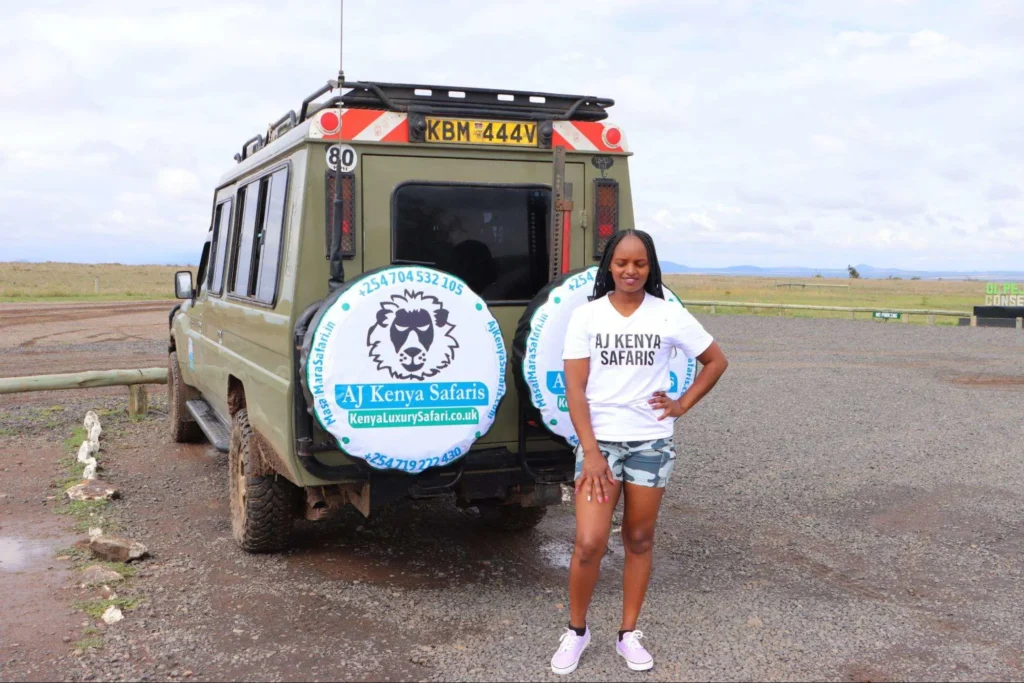
A Masai village visit is the most polarizing activity on a Mara safari. Whether it’s a highlight or a disappointment comes down to which village the guide takes the guest to. The roadside villages near the main gates run on a fixed script, and the pressure to spend money is relentless. The conservancy-partnered villages operate differently. The community has an agreed arrangement with the lodge, the visit feels less staged, and the income goes where it’s supposed to go. For the 2026/2027 season, all-inclusive 5-day itineraries that include a village visit range from KES 247,000 ($1,900) to KES 1,397,500 ($10,750) per person sharing. Reserve entry is $100–$200/day. Conservancy fees ($80–$150/night) are included in camp rates.
What This Guide Covers
Safari Costs (2026/2027)
All-inclusive prices per person sharing, based on two people in a private 4×4 Land Cruiser. Conservancy fees are included in camp rates.
5-Day All-Inclusive Rates (Per Person Sharing)
Package Tier | Camps (Nakuru + Mara) | Regular Season (KES) | Peak Season (KES) |
Budget | Lake Nakuru Lodge / Ol Kinyei Adventure | KES 247,000 | KES 474,500 |
Mid-Range | Sarova Lion Hill / Karen Blixen Camp | KES 341,900 | KES 617,500 |
Luxury | The Cliff Nakuru / Porini Lion Camp | KES 595,400 | KES 968,500 |
Luxury Plus | The Cliff Nakuru / Mara Plains Camp | KES 907,400 | KES 1,397,500 |
Note: Conservancy fees included. Reserve entry is extra ($100–$200/day). Village visit fees ($20–$50 per person) are sometimes included in the camp rate at conservancy properties. At roadside villages the fee is collected at the entrance. For a luxury safari or flying packages, request a custom quote.
What’s Covered
- A private 4×4 Safari Land Cruiser for the full trip.
- A TRA-licensed guide who arranges the village visit through the camp’s community partners.
- All conservancy conservation fees and Lake Nakuru entry fees.
- Night drives, off-road tracking, and guided walking safaris with Maasai trackers.
- One-way return flight from the conservancy airstrip to Nairobi Wilson. Soft-sided duffel bags only, 15 kg limit.
- Full board, 3 meals daily.
- AMREF Flying Doctors emergency air evacuation insurance.
What’s Excluded
- Kenya eTA (~$30).
- Tips (KES 3,000/day for guide).
- Beadwork and souvenir purchases inside the village.
- Hot air balloon ($450–$500).
- Main reserve entry fees if crossing into the public park ($100–$200/day extra via the official KWS portal).
- International flights.
What Happens During the Visit
The visit lasts one to two hours. At a conservancy-partnered village, the community manages the visit and keeps the income. At a roadside village, an outside handler often collects the fee and the community sees a fraction of it. I only take guests to the first kind.
The standard sequence is a welcome dance, a tour of the homestead, a look inside one of the houses, a fire-making demonstration, and a walk through the souvenir market at the end.
The welcome dance is where the morans (young warriors) perform the Adumu, jumping vertically from a standing position to see who reaches the highest. Guests are invited to try. The height the warriors reach is genuinely impressive and the attempt usually produces the best laughter of the trip.
The homestead is a circular compound called an enkang, surrounded by a thick fence of acacia thorn branches. Houses are arranged around the perimeter with the livestock enclosure in the centre. The houses are built from cow dung, mud, sticks, and grass. Inside they are dark, low-ceilinged, and smoky from the cooking fire. The smell is strong. Guests with asthma or contact lenses should stay near the entrance or skip the interior because the smoke sits against the low ceiling and the air quality is poor. Crouching low helps because the clearer air is near the floor.
The fire-making demonstration is the part that works even when the rest of the visit feels staged. A warrior uses a hardwood spindle drilled into a softwood baseboard with dried dung powder as a catalyst. Guests are invited to try the friction technique and rarely succeed. The skill is real and the speed is impressive.
The school visit is included at some villages. Children sing or recite the alphabet. At conservancy-partnered villages, the school is genuine and the community manages it. At some roadside villages, the school setup feels more like a staged donation prompt, and money collected inside the classroom doesn’t always reach the institution. If the village includes a school, ask the guide beforehand how the donations are managed. Bringing supplies like pens, notebooks, and crayons is more reliable than cash and goes directly to the children. Ask the camp what the school currently needs, since some already have plenty of pens.
What surprises guests is how normal the village feels once the welcome dance is over. The cattle are real. The children are real. The daily routines carry on whether tourists are there or not. The Mara isn’t just a wildlife reserve. It’s Maasai land. The conservancies exist because Maasai landowners agreed to keep it as wildlife habitat instead of subdividing it for farming. The village visit is the hour that puts the landscape into that context.
Cultural Activity | What to Expect |
The Adumu Dance | Traditional vertical jumping competition by the Maasai warriors. |
The Enkang Tour | Circular thorn-fenced homestead with traditional mud-and-dung houses. |
Fire-Making Demo | Live demonstration of traditional wood-friction techniques. |
The School Visit | Genuine community schools where school supply donations are preferred. |
The Souvenir Market
The market at the end is where the visit becomes uncomfortable for many guests. Tables of hand-beaded jewellery, leather items, and carved figures are laid out in a circle. The women who made the beadwork watch as guests browse, and the pressure to buy is real. At some roadside villages, someone will place a necklace around a guest’s neck without asking and then expect payment, which puts people in an awkward position.
The beadwork is genuinely handmade by the village women, and buying directly from them is one of the most direct ways to support the community. The discomfort comes from the sales approach, not the product.
The practical fix is to decide a souvenir budget before entering. Bring small KES notes. Spend what feels right. Declining is acceptable. A polite “no thank you” or a firm head shake is understood. At conservancy-partnered villages, the dynamic is usually calmer because the community receives income from the conservation fees and the market is a supplement rather than the main revenue source.

What to Know Before Going
Let the camp arrange the visit. The guide knows which villages have a genuine relationship with the lodge. Stopping at a roadside village on the way to the gate is where the uncomfortable experiences happen.
Schedule it between drives. Late morning, between the early game drive and the afternoon drive, is the best window. The heat of the day makes it poor timing for wildlife anyway. Children are often at the village school during this period, which adds an educational dimension.
The Maasai staff at the camp are often a better cultural resource. Guests learn more about Maasai life from conversations with their walking safari guide, their camp host, or the Maasai warriors employed at the lodge than from the structured village tour. The camp staff are Maasai themselves and share their stories naturally during the safari.
Photography is usually included but rules vary. Some villages include photography in the entry fee. Others expect a small tip per photo. At conservancy-partnered villages, the expectations are clear from the start. Ask the guide before pulling out the camera.
Nashulai Conservancy offers a deeper alternative. Nashulai is the first conservancy in the Mara that’s fully community-led and managed rather than leased to outside safari operators. Wildlife and traditional Maasai villages share the same space. The conservancy runs a college focused on sustainability and women’s empowerment. For guests who want cultural immersion rather than a one-hour tour, Nashulai is a different category of experience. The conservancy guide covers how the different conservancies work.
The circular thorn enclosures visible from the aircraft are the same structure. When flying out of the Mara, the boma fences below the plane are the same livestock enclosures the guest stood inside at ground level. The homestead pattern, with houses around the edge and cattle in the centre, is clearer from the air than from the ground.
Common Question | 2026 Savvy Safari Answer |
What is the cost? | $20 to $50 per person (often free/included at luxury conservancy camps). |
Is it kid-friendly? | Yes. Highly engaging for children (jumping, fire-making, meeting local peers). |
Where are they? | Always outside the national reserve on communal or conservancy lands. |
Questions Guests Ask
Is the village visit worth it?
At a conservancy-partnered village, yes. Ask the guide which one they’d recommend. Get in touch and we’ll confirm which camps have the best community partnerships.
How much does it cost?
$20 to $50 per person at most villages. Some conservancy camps include it in the room rate. Souvenir purchases are separate.
Is it appropriate for children?
Yes. Children are welcome and usually enjoy it. The jumping dance, the fire-making demonstration, and the livestock enclosure are the parts that engage younger guests. The school visit, where it’s genuine, gives children a way to connect with kids their own age in a completely different setting.
Can I visit a village inside the national reserve?
Maasai villages are outside the reserve on communal lands. The conservancies are where the Maasai communities live alongside the wildlife. A conservancy stay puts the cultural experience and the safari in the same location. The migration guide covers how the conservancies fit into the broader ecosystem. Start a booking if the dates are set, and the wildebeest migration page tracks the seasonal patterns.
If a village visit is on the list, a 5-day safari in a conservancy gives the best access to partnered communities alongside game drives, night drives, walking safaris, and bush breakfasts. The 3-day and 4-day trips work if the visit is scheduled between drives. For Amboseli alongside the Mara, the 6-day circuit or three-park loop add a different landscape. Send us your dates and we’ll find a conservancy camp with a strong community partnership, or browse options on the packages page.
This guide was authored by David Njunge, a TRA-licensed safari guide with over 10 years of experience, and edited by Cecilia Wambui, a travel consultant with a degree in Tourism and Hospitality Management.
Welcome to Masaimara.co.ke
Thank you for visiting us! We're excited to help you plan an unforgettable safari adventure across Kenya.