
Masai Mara Conservancies: The Honest 2026 Guide
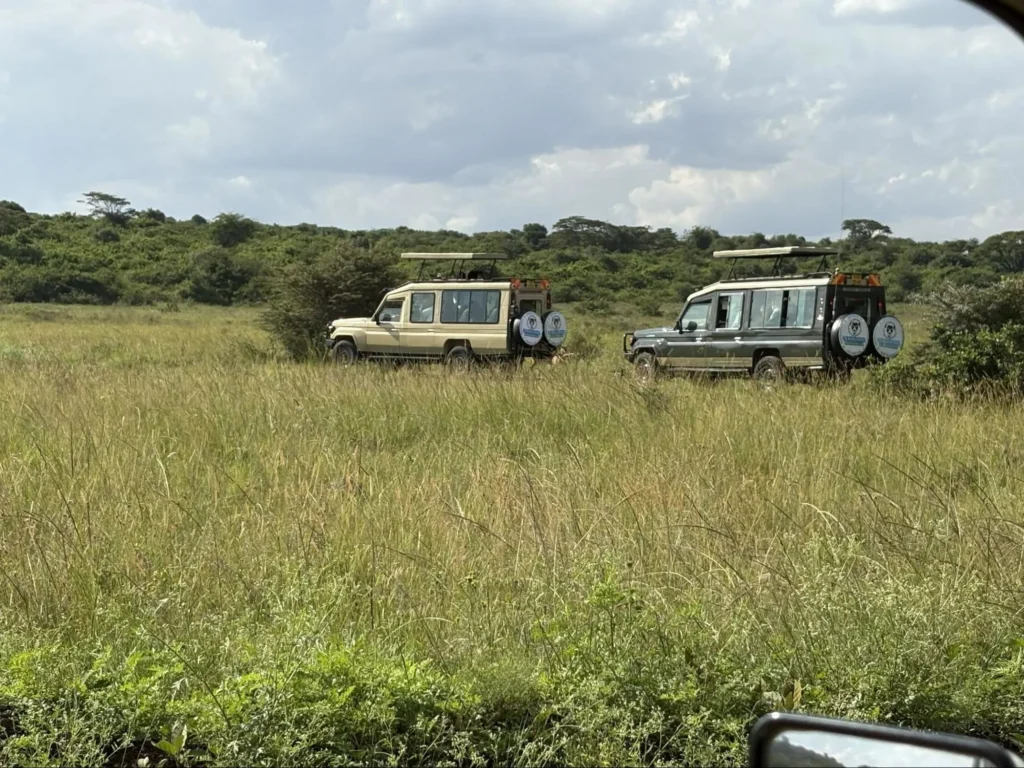
The Masai Mara Conservancies are a network of 23 private, community-owned wildlife areas wrapping around the northern and eastern borders of the Masai Mara National Reserve. Together they cover over 350,000 acres managed by 17,304 Maasai landowners. Conservancy fees ($80–$150/night) are included in camp rates and give 24-hour access including night drives, off-road tracking, and walking safaris — all banned inside the main reserve. Conservancy vehicles can enter the reserve, but reserve vehicles cannot enter the conservancies. The density standard is about 350 acres per guest bed, which means quiet sightings with a 5-vehicle limit. All-inclusive 5-day packages routing through the conservancies range from KES 252,200 ($1,940) to KES 1,348,100 ($10,370) per person sharing.
Reserve vs Conservancy
Operational Variable | National Reserve vs. Private Conservancy |
Sighting Vehicle Cap | Reserve: Unregulated (up to 40). Conservancy: Max 5 vehicles. |
Off-Road Tracking | Reserve: Strictly banned. Conservancy: Allowed for pristine photo angles. |
Night & Walking Safaris | Reserve: Prohibited. Conservancy: Authorized after-dark and on foot. |
Rotational Cattle Grazing | Reserve: Completely illegal. Conservancy: Managed as a land restoration tool. |
The national reserve is public land managed by the Narok County Government. Anyone who pays the entry fee can enter, which means vehicle numbers at sightings are unregulated and can reach 30 or 40 during peak migration. Off-road driving, night drives, and walking safaris are all banned. The reserve operates on a strict 12-hour calendar window from 6 AM to 6 PM, and guests staying outside the boundary pay the full entry fee every day they re-enter.
The conservancies work differently. They are private community land, and only guests of partner camps can enter. Vehicle numbers are capped at 5 per sighting. Guides can drive off-road to position for better angles. Night drives with red-filtered spotlights run after dark. Walking safaris with armed Maasai trackers take guests to ground level. The conservancy fee is included in the camp rate and covers round-the-clock access rather than the reserve’s 12-hour block.
The access works one way. Conservancy vehicles can enter the main reserve freely, but reserve vehicles cannot enter the conservancies. Guests who want migration crossings can do a day trip into the reserve on a separate pass at $100–$200 extra and return to the conservancy’s quiet sightings in the afternoon.
Self-driving is not allowed in any conservancy. Guests must use the camp’s registered guide and vehicle.
One common confusion: the Mara Triangle is not a conservancy. It’s part of the national reserve, managed by a non-profit called the Mara Conservancy. It operates under reserve rules with entry fees, gate hours, and public access.
Cattle inside the conservancies is normal. Multiple conservancies allow managed livestock grazing on rotation schedules. This is part of the conservation model — wildlife and pastoralism coexist on the same ground. Inside the reserve, cattle is prohibited. Seeing Maasai herders with cattle at dawn is a sign of healthy rangeland management, not poor operation.
The Major Conservancies
Olare Motorogi has the highest lion concentration per square kilometre in East Africa across its 33,000 acres. Only 95 beds exist across 8 camps, which gives it the lowest tourist density in the Mara. Camps range from Porini Lion at the eco end to Mara Plains, a Relais & Châteaux property, and Mahali Mzuri, Richard Branson’s lodge, at the top. The vehicle management here is the strictest in the ecosystem. Read the full Olare Motorogi Conservancy guide.
Mara North is the largest conservancy at 74,000 acres with 12 partner camps and roughly 100 rooms. The Mara River runs through the western edge, which means some camps can watch migration crossings without paying the reserve entry fee. Guides here practise a radio silence protocol at private crossings to keep the sightings exclusive. Horseback safaris are available through two partner operators. Read the full Mara North Conservancy guide.
Naboisho stretches across 50,000 acres with over 500 Maasai landowners. The leopard and cheetah territory here is strong, and the camp range covers everything from budget to luxury. Ol Seki Airstrip inside the conservancy handles fly-in guests for Naboisho, Ol Kinyei, and parts of Lemek. Read the full Naboisho Conservancy guide (coming soon).
Ol Kinyei is the most affordable conservancy in the Mara at 18,700 acres. There are only 2 camps and 4 cottages, accommodating a maximum of 24 guests at any time. Porini Cheetah Camp gets dual access to both Ol Kinyei and neighbouring Naboisho. The walking safaris here go deeper than anywhere else I’ve worked in the Mara because the guides are Maasai men who grew up on this exact land. There are no rhinos inside the conservancy. Read the full Ol Kinyei Conservancy guide.
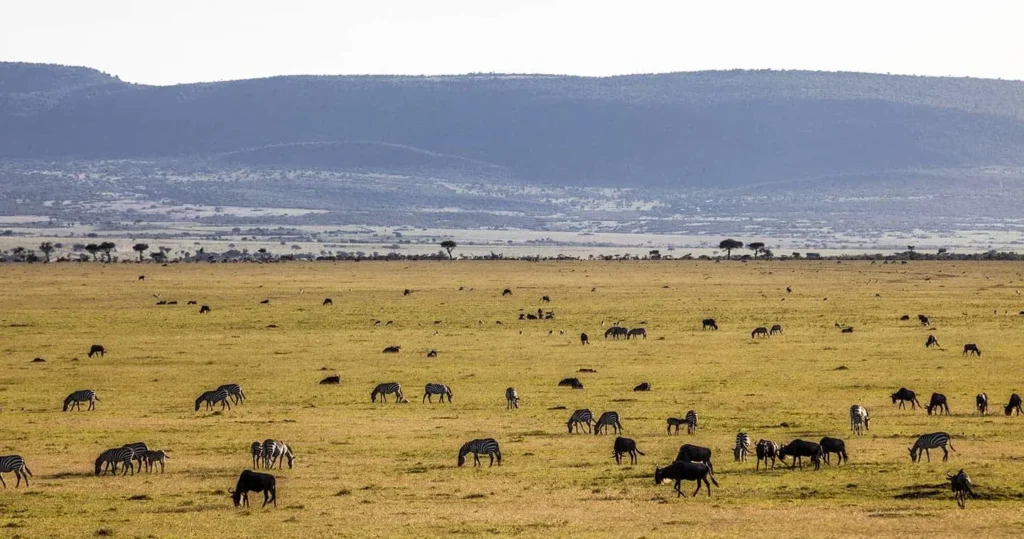
Siana is still developing compared to the northern conservancies, but its 35,000 acres on the eastern boundary hold the widest camp range of any conservancy, from Mara Bushtops at the ultra-luxury end with private hot tubs to Drunken Elephant with 7 budget tents on a riverfront. A major elephant migration corridor runs through the conservancy, and it’s the closest to Sekenani Gate, making reserve day trips shorter than from any other conservancy. Read the full Siana Conservancy guide.
Lemek sits on the northern boundary at 17,350 acres and is the most accessible conservancy in the Mara, about 4 hours from Nairobi on mostly tarmac. Saruni Wild, the main camp with just 3 to 5 tents, has driving rights across Lemek, Ol Chorro, and Mara North. Night drives here run until 11:30 PM, which is later than any other conservancy in the ecosystem. Read the full Lemek Conservancy guide.
Ol Chorro is the oldest conservancy in the Mara, established in 1991. It covers 17,000 acres and protects the only southern white rhinos in the ecosystem. Walking on foot with armed rangers to approach these rhinos at close range is something no other Mara conservancy offers. Fairmont Mara Safari Club has 50 rooms overlooking the Mara River, making it the largest single property in any conservancy. Read the full Ol Chorro Conservancy guide.
At 5,928 acres, Enonkishu is the smallest conservancy and the only one built around regenerative cattle grazing as a conservation tool. The land was once an intensive commercial farm and is the first in the region to be converted back to wildlife habitat. House in the Wild has 6 cottages for a maximum of 16 guests. Game drives cover Enonkishu, Lemek, and Ol Chorro on a single fee. The cat density is lower than the southern conservancies, but the aardwolf concentrations are the highest in East Africa and the community access is genuine. Read the full Enonkishu Conservancy guide.
Pardamat functions differently from the rest. At 64,000 acres it’s one of the largest conservation blocks, but it operates as a wildlife corridor rather than a tourist destination. There are no traditional safari lodges inside. Elephant herds calve here away from vehicle traffic, and a major fence-removal programme is restoring wildlife movement across the northern corridor. The animals that guests see in the neighbouring conservancies depend on Pardamat’s corridors to move between calving grounds, water sources, and hunting territory. Read the full Pardamat Conservation Area guide.
Choosing the Right Conservancy
Traveler Priority | Expert Strategic Recommendation |
Peak Big Cat Densities | Select Olare Motorogi or Naboisho for high predator concentrations. |
Value & Deeper Walking | Choose Ol Kinyei for lower costs and native-guided foot treks. |
Private River Crossings | Prioritize Mara North to view migration loops away from crowds. |
Family Safari with Kids | Opt for Enonkishu’s predator-fenced estate for safe cycling and walking. |
If this is your first time in the Mara and seeing big cats consistently matters most, Olare Motorogi or Naboisho are the safest choices. Both have high predator density, the infrastructure is mature, and the vehicle management is strict enough that sightings stay quiet. Olare Motorogi has the highest lion concentration per square kilometre in East Africa. Naboisho is strong for leopards and cheetahs and has a wider range of camp budgets.
For travellers watching their costs, Ol Kinyei is where the conservancy model becomes affordable. Porini camps start around $380 a night all-inclusive, which covers the conservancy fee, meals, night drives, and walking safaris. The terrain is woodland rather than open savanna, and there are no rhinos inside the conservancy, but the walking safaris are the best in the ecosystem and the vehicle density is the lowest in the Mara.
If migration river crossings are the priority, Mara North has the strongest position. The Mara River runs through the western edge, and camps like Karen Blixen and Serian can watch crossing points from within the conservancy without paying the reserve entry fee. Olare Motorogi and Naboisho also provide good reserve access for day trips during July to October.
Photographers should look at Olare Motorogi for the 5-vehicle sighting cap and off-road positioning that lets the guide place the vehicle for the best light. Kicheche camps in Mara North and Olare Motorogi limit vehicles to 4 guests rather than 6, which gives more space and better window access for long lenses.
For walking safaris specifically, Ol Kinyei’s Maasai trackers have the strongest reputation. Ol Chorro offers something no other conservancy has: walking on foot with armed rangers to approach white rhinos at close range.
Families with young children should consider Enonkishu. The Naretoi estate inside the conservancy is fenced against predators, which means children can walk, cycle, and explore the grounds without an armed escort. House in the Wild is family-owned, run with children in mind, and Chef Purity’s kitchen gets consistently good reviews from parents.
Repeat visitors who’ve done the main conservancies and want something different have several options. Lemek runs night drives until 11:30 PM and Saruni Wild’s triple-conservancy access covers three conservancies from a single tiny camp. Enonkishu’s regenerative cattle model is unlike anything else in the Mara. Pardamat is a conservation corridor story rather than a standard safari, but driving through the fence-removal corridors with a knowledgeable guide explains why the rest of the ecosystem functions.
If the budget allows, splitting between two conservancies gives the best variety. Three nights in Naboisho plus three in Olare Motorogi covers leopard territory and peak lion density without repeating terrain. A morning charter between them takes 45 minutes, and the airstrip transfers double as game drives through open grassland.
Safari Packages via the Conservancies
All-inclusive prices per person sharing, based on two people in a private 4×4 Land Cruiser. Conservancy fees are included in camp rates.
5-Day All-Inclusive Rates (Per Person Sharing)
Package Tier | Camps (Nakuru + Conservancy) | Regular Season (KES) | Peak Season (KES) |
Budget | Lake Nakuru Lodge / Ol Kinyei Adventure | KES 252,200 | KES 447,200 |
Mid-Range | Sarova Lion Hill / Karen Blixen Camp | KES 304,200 | KES 538,200 |
Luxury | The Cliff Nakuru / Porini Lion Camp | KES 529,100 | KES 828,100 |
Luxury Plus | The Cliff Nakuru / Mara Plains Camp | KES 867,100 | KES 1,348,100 |
Note: Conservancy fees included. Reserve entry is extra ($100–$200/day) if you cross into the public park. For a luxury safari upgrade or flying packages, request a custom quote.
Get a Personalized Conservancy Safari Quote
What’s Covered
- A private 4×4 Safari Land Cruiser for the full trip.
- A TRA-licensed guide experienced with the conservancy system and cross-boundary logistics.
- All conservancy conservation fees and Lake Nakuru entry fees.
- Night drives, off-road tracking, and guided walking safaris with Maasai trackers.
- One-way return flight from the conservancy airstrip to Nairobi Wilson via Masai Mara flying packages.
- Full board, 3 meals daily.
- AMREF Flying Doctors emergency air evacuation insurance.
What’s Excluded
- Kenya eTA (~$30).
- Tips (KES 3,000/day for guide).
- Alcohol and premium drinks.
- Hot air balloon ($450–$500).
- Main reserve entry fees if crossing into the public park ($100–$200/day extra).
- International flights.
Frequently Asked Questions
How many conservancies are there?
23 as of 2026, co-managed by 17,304 Maasai landowners across over 350,000 acres. The major tourism conservancies are Olare Motorogi, Mara North, Naboisho, Ol Kinyei, Siana, Lemek, Ol Chorro, and Enonkishu. Newer conservation corridors like Pardamat, Mbokishi, and Enarau are still developing.
What’s the difference between a conservancy and the reserve?
The reserve is public with high vehicle density. Conservancies are private community land with strict vehicle limits, off-road driving, night drives, and walking safaris. See our Masai Mara packages page for options in both.
How much are conservancy fees?
$80–$150 per adult per night, included in your camp rate. These fees fund the Maasai landowner leases directly.
Can I visit the reserve from a conservancy?
Yes. Conservancy vehicles enter the reserve freely. The reserve fee ($100–$200/day) is separate. Budget one full day for reserve crossings and spend the rest of your time in the conservancy. A Masai Mara booking through a registered operator handles the logistics. See our Masai Mara migration page and wildebeest migration guide for crossing timing.
How many nights should I book?
A minimum of 4 nights if you want both conservancy exclusivity and a reserve day trip for crossings. With only 2–3 nights, the transit time eats into your game drives.
Can I self-drive in a conservancy?
No. All conservancies require guests to use the camp’s registered guide and vehicle.
Is a 4×4 mandatory?
Yes. Off-road tracking, river-drift crossings, and black cotton soil after rain require a 4×4 with low-range gears.
The Conservancy Difference
The conservancy model is still young. Ol Chorro started it in 1991. Most others formed between 2005 and 2015. The newer ones like Siana and Pardamat are less polished than Olare Motorogi or Naboisho, but the wildlife doesn’t wait for the infrastructure to mature. Every conservancy runs on the same arrangement: Maasai families lease their land, tourism and conservation fees pay the leases, and in return the wildlife gets space to move and the vehicles get managed so the sightings stay quiet. It doesn’t always work perfectly. Enforcement varies between conservancies, guide quality ranges from outstanding to average, and cattle appear on the tracks at dawn in places where the reserve wouldn’t allow it. But across all 23, the result is the same: fewer vehicles, more activities, and direct community benefit. Most repeat Mara visitors end up staying in a conservancy for exactly those reasons.
Our 3-day and 4-day trips work for a focused conservancy stay. The 5-day adds Nakuru. The 6-day Amboseli circuit adds Kilimanjaro views. The Mara-Amboseli-Nakuru loop covers all three. All options are on our Masai Mara packages page.
Fill out our booking form at Masaimara.co.ke below here and tell us your dates.
This guide was authored by David Njunge, a TRA-licensed safari guide with over 10 years of experience, and edited by Cecilia Wambui, a travel consultant with a degree in Tourism and Hospitality Management.
Welcome to Masaimara.co.ke
Thank you for visiting us! We're excited to help you plan an unforgettable safari adventure across Kenya.