
Masai Mara Packing List: The Honest 2026 Guide

The most important item on a Masai Mara packing list is the bag itself. If flying into the Mara, the airlines enforce a strict 15 kg limit in a soft-sided duffel, and everything else follows from that constraint. This guide covers what to pack, what to leave behind, and the items that make the biggest difference on the ground.
The Bag
A soft-sided duffel bag, 60 to 80 litres. The 15 kg limit includes hand luggage and camera gear. Bush planes have curved belly pods that can’t accommodate rigid frames or roller wheels. Guests who show up with hard suitcases have their clothes stripped out into a canvas sack on the tarmac while the suitcase stays in a Wilson Airport locker.
If driving rather than flying, the weight restriction relaxes but the soft bag still fits better in the Land Cruiser’s luggage compartment. Either way, pack less than instinct suggests. Most mid-range and luxury camps offer same-day or next-day laundry. Three to four tops and two pairs of trousers covers a full week.
Clothing
Clothing Element | 2026 Packing Specification |
Layering Strategy | Pack fleece for dawn (<10°C), T-shirt for noon (>30°C), windbreaker for evenings. |
Color Palette | Stick to earth tones (khaki, olive). Avoid blue/black (tsetse) and camo (illegal). |
Bedside Shoes | Enclosed slip-ons required: Protects feet against nocturnal safari ant columns. |
The Mara sits at 1,500 metres. Morning game drives can drop below 10°C. By midday it’s above 30°C. The temperature swings 20 degrees in a single day, so layers are the only approach that works: a fleece or light jacket for dawn, a T-shirt for noon, a windbreaker for the evening sundowner.
Stick to neutral earth colours — khaki, olive, beige, stone, grey. Dark blue and black attract tsetse flies because they mimic buffalo hide. Bright colours spook wildlife on walking safaris. White shows every speck of dust within minutes.
Comfortable closed shoes for game drives and bush walks. Sandals for the camp and pool. A pair of fully enclosed slip-on shoes to keep at the bedside — the Mara’s grasslands have nomadic colonies of siafu (safari ants) that can march across a tent floor at night, and stepping out barefoot into a moving column is painful.
A hat with a brim. Sunglasses. Sunscreen.
Military camouflage patterns are illegal for civilians in Kenya. Wearing camo at a gate checkpoint can trigger a search and permit issues.
Health and Protection
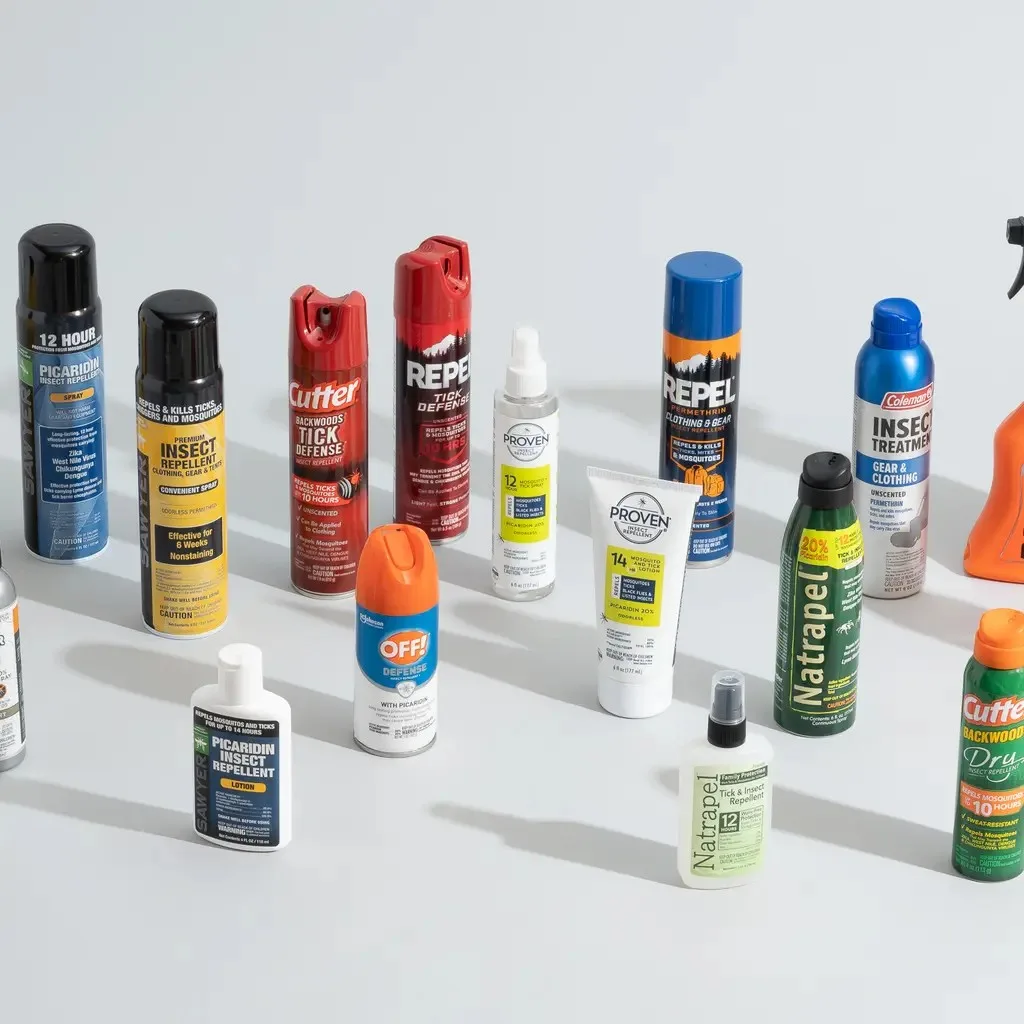
Start malaria medication before departure, not on arrival. Malarone or doxycycline are the common options — see a travel doctor well before the trip. Pharmacies in Nairobi stock antimalarials for guests who forgot, but starting late reduces effectiveness. Pack insect repellent with 30 to 50% DEET, which works better than natural alternatives in the Mara. Apply it at sunset when mosquitoes emerge, not during the day. Tsetse flies are the daytime nuisance and they hunt by sight, so repellent doesn’t help with them.
Contact lens wearers should consider switching to glasses for game drives. The fine volcanic silt gets trapped under lenses and causes irritation within a day or two. If contacts are necessary, pack preservative-free lubricating drops in single-use pipettes — an open multi-dose bottle collects dust the moment it’s unsealed in the vehicle. Glasses with a close-fitting wrap frame double as a wind shield.
Any prescription medication that might not be available locally goes in the bag with a copy of the prescription. Once in the Mara, the nearest pharmacy is hours away.
Camera and Optics
Binoculars are the item most first-timers forget. 8×42 magnification is the right balance for a moving vehicle — higher magnification amplifies vibration and causes eye strain. A distant shape becomes a leopard in a tree, a brown patch becomes a lion in the grass. Camps sometimes provide binoculars but the quality is rarely good. Each person in the vehicle should have a pair rather than sharing.
Camera and lenses go in the carry-on, never checked luggage. A telephoto zoom in the 200-400mm range is essential for wildlife. The dust is constant, so a lens cleaning cloth and blower belong in the daypack alongside silica gel desiccant packets to prevent condensation from the sharp morning temperature drops. For camera support, pack an empty canvas beanbag shell with a heavy-duty zipper — don’t fill it, that wastes weight. At the camp, ask the kitchen for two kilograms of rice or lentils. Draped over the vehicle’s open roof hatch, the filled beanbag creates a stable mount that absorbs the vehicle’s vibration.
Protect everything from dust. Ziplock bags or dry bags around lenses, memory cards, and electronics. The volcanic silt bypasses standard camera bag zippers. Wrapping the main duffel in a bin bag before leaving Narok keeps clothes clean on the final unpaved stretch.
Electronics and Documents
Tech & Doc Item | 2026 Field Requirement |
Power Bank | Minimum 20,000 mAh: Eco-camps use solar power and restrict charging hours. |
Type G Adapter | Use a rubberized plug or velcro strap so vehicle vibration won’t shake it loose. |
Printed Permits | Bring physical QR codes: Phone batteries die and gate cellular signals drop. |
Headlamp | Must feature a red-light mode to avoid attracting insects or disturbing wildlife. |
A power bank (20,000 mAh minimum) is essential. Eco-camps run on solar and limit charging hours, and some only offer power in shared areas during the day. Kenya uses Type G (UK-style) three-pin sockets. Most safari vehicles have under-seat power points, but the washboard roads shake loose-fitting adapters out of the socket — a rubberized multi-plug or velcro strap keeps the charger connected during the drive.
Print copies of the eTA and park permits before leaving Nairobi. Phone batteries die and cell signal drops at remote gates. A printed QR code in a waterproof sleeve prevents a 30-minute delay while the rangers wait for signal.
Pack a headlamp with a red-light mode for navigating camp after dark. Tented camps are not well-lit and white light attracts insects and disturbs nearby wildlife. Red mode preserves night vision.
Camp Life
Bring cash from Nairobi in small bills. KES notes for community checkpoints, village visits, and camp bars. USD for guide tips — but only post-2013 bills. Rural banks and camp staff reject older, torn, or stained US notes. Camp card machines drop connection during evening storms, so cash is the reliable backup.
Energy bars and trail mix are useful on full-day drives, but strip the commercial wrappers before leaving and transfer snacks into soft fabric bags. Metallic wrappers make a sharp crinkling sound that startles nearby wildlife — opening a granola bar ten metres from a resting leopard can flush it from the sighting. A reusable water bottle rounds out the daypack. Most camps provide filtered water for refills.
What Not to Bring
Hard suitcases are denied at the bush plane tarmac (details in The Bag section above). Plastic bags are banned in Kenya and customs can confiscate them at the airport. Drones are illegal in all Kenyan parks without a commercial filming permit.
If the packing list is set and the dates are confirmed, start a booking or send us your dates for a custom quote. The how to get there guide covers the flight logistics and luggage rules in more detail. A 5-day safari gives enough time for game drives, night drives, walking safaris, and a bush breakfast. The 3-day and 4-day trips work for shorter windows. For Amboseli alongside the Mara, the 6-day circuit or three-park loop add Kilimanjaro. The packages page has all the options. The safari cost guide breaks down what everything costs. The migration guide and wildebeest migration page cover seasonal timing. The luxury safari page covers the premium camp options.
This guide was authored by David Njunge, a TRA-licensed safari guide with over 10 years of experience, and edited by Cecilia Wambui, a travel consultant with a degree in Tourism and Hospitality Management.
Welcome to Masaimara.co.ke
Thank you for visiting us! We're excited to help you plan an unforgettable safari adventure across Kenya.