
Best Safari in Kenya: The Honest 2026 Guide
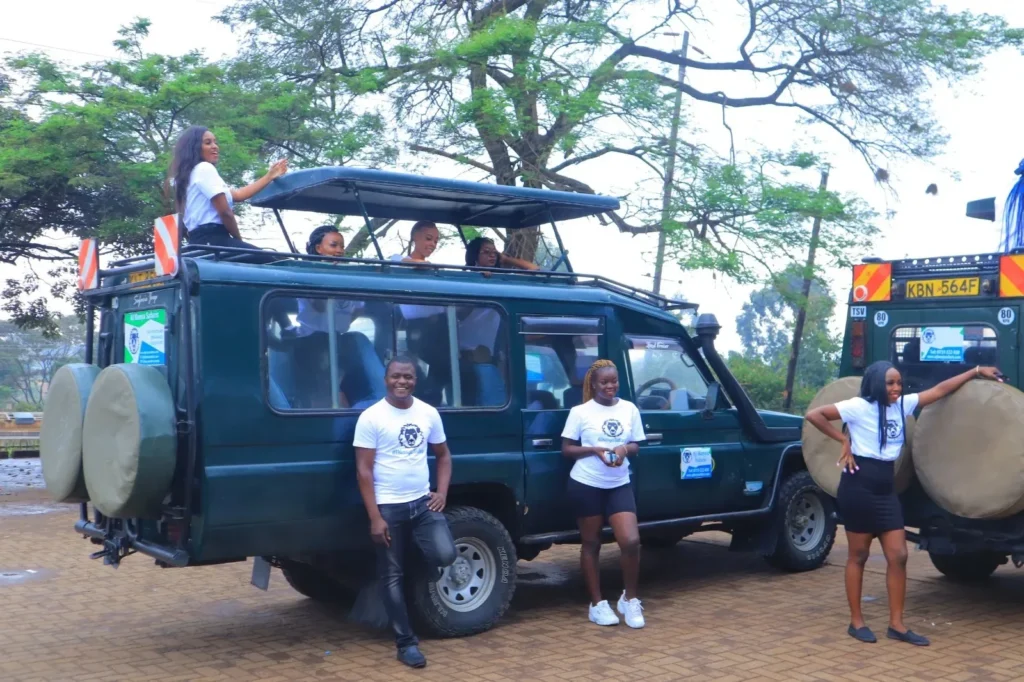
The best safari in Kenya depends on what the guest wants to see. The Masai Mara delivers big cats and the wildebeest migration. Amboseli delivers elephants and Kilimanjaro. Samburu delivers desert species found nowhere else in southern Kenya. Tsavo delivers scale and solitude. Laikipia delivers conservation and endangered species. Most first-timers go straight to the Mara and don’t realise they can combine two or three parks into one trip for a completely different experience at each stop. This guide covers every major safari region in Kenya, what each one offers, and how to build a multi-park itinerary that works.
The Masai Mara and Its Conservancies

The Mara is Kenya’s most famous safari destination and the best starting point for first-timers. Big cat density here is the highest in Africa, and the migration brings over a million wildebeest through from July to October. The river crossings are the most dramatic wildlife event on the continent.
The conservancies surrounding the reserve are where the experience deepens. Walking safaris, night drives, off-road tracking, bush breakfasts, and sundowners are all conservancy activities that aren’t allowed in the public reserve. Vehicle density is a fraction of the reserve’s. For any trip outside the July-October migration window, the conservancies deliver a better overall experience. The safari cost guide covers pricing for both.
Amboseli
Amboseli is the elephant park. The herds here are some of the largest free-ranging elephant populations in Africa, and the backdrop is Kilimanjaro. On a clear morning, a line of elephants crossing the dry lake bed with the snow-capped mountain behind them is the most photographed image in East African safari tourism.
Lions and cheetahs are present but far less common than in the Mara. Anyone expecting big cat action will be disappointed. But the elephants and the mountain together produce something no other park in Kenya can match.
One driving hazard that catches independent visitors: the marsh margins look like solid green lawn but the ground beneath is volcanic peat. Vehicles that edge too close to photograph elephants at the waterline break through the crust and sink to the axle. Follow the guide’s line.
Samburu
Rare Northern Species | Distinctive Wildlife Feature |
Grevy’s Zebra | Noticeably larger body shape marked with ultra-narrow stripes. |
Reticulated Giraffe | Striking, crisp geometric coat patterns down to the hooves. |
Gerenuk Antelope | Long, needle-like neck; stands on hind legs to browse acacias. |
Beisa Oryx & Somali Ostrich | Arid-adapted desert antelope paired with distinct blue-legged ostriches. |
Samburu is a different Kenya. The landscape is arid copper-red sand and doum palm riverbanks, nothing like the Mara’s green savannah. The draw is the Samburu Special Five, a group of species that don’t exist in southern Kenya: Grevy’s zebra (larger, with narrow stripes), reticulated giraffe (crisp geometric pattern), Beisa oryx, Somali ostrich (blue legs), and gerenuk, the long-necked antelope that stands on its hind legs to browse acacia branches.
The gerenuk is best seen during the midday heat when other guests have returned to the lodge. Gerenuks extract all their water from plants and never visit waterholes, so they stay active when the predators are sleeping. The Ewaso Nyiro River is the lifeline of the reserve, and leopards rest in the doum palms along its banks.
Tsavo
Tsavo East and West together form Kenya’s largest protected area, bigger than the Mara, Amboseli, and Nakuru combined. The famous red elephants live here, their skin stained crimson from dust-bathing in the iron-rich volcanic soil. Predator sightings take more patience because the park is vast and the vegetation thick. But that’s the point. The scale and remoteness are what make Tsavo different.
Tsavo is for guests who want wilderness rather than guaranteed sightings. The Chyulu Hills, between Tsavo West and Amboseli, add a volcanic landscape with rolling green ridges and one of the longest lava tubes on earth. Mzima Springs in Tsavo West, fed by underground water filtered through volcanic rock from Kilimanjaro, has an underwater viewing chamber where hippos and crocodiles swim past the glass.
Laikipia and Ol Pejeta
The Laikipia Plateau runs on a different model from national parks. It’s a network of private and community-owned conservation ranches, and it holds Kenya’s highest densities of endangered black rhinos and rare packs of African wild dogs.
Ol Pejeta is where Najin and Fatu live, the last two northern white rhinos on earth. The conservancy also runs a chimpanzee sanctuary. For guests who care about conservation, this is the stop that gives the trip meaning beyond game viewing. Some Laikipia properties offer tracking with research officers who use telemetry equipment to follow collared wild dog packs through the bush.
Lake Nakuru
Nakuru is the best one-night addition to any Mara trip. The park is a rhino sanctuary with both black and white rhinos, Rothschild’s giraffes, flamingos on the lake, and leopards in the yellow acacia forest. It sits between Nairobi and the Mara, breaking up the drive. Entry fees are paid through the KWS eCitizen portal since Nakuru is a national park managed by the Kenya Wildlife Service.

Nairobi National Park
Twenty minutes from the airport. Lions, rhinos, giraffes, buffalo, and zebras graze with Nairobi’s skyscrapers in the background. No other capital city on earth has wild lions within its boundaries. It works as a half-day safari on arrival or departure day when the schedule is tight.
The David Sheldrick Wildlife Trust, also in Nairobi, rescues and rehabilitates orphaned baby elephants. The public feeding is at 11 AM daily and takes about 90 minutes. It’s the best pre-safari warm-up, especially for children.
The Coast
Kenya’s Indian Ocean coastline extends a safari into a beach holiday. Diani Beach has white sand and reef snorkelling. Lamu Island is a UNESCO World Heritage Site with Swahili architecture, dhow sailing, and no cars. A common itinerary is 4-5 days in the bush followed by 3-4 days on the coast. Internal flights from the Mara or Nairobi to the coast take under two hours.
How to Combine Parks
The classic combination is Nakuru (1 night) plus the Mara (3-4 nights). Adding Amboseli makes it a 6-day circuit or three-park loop with Kilimanjaro included.
For trips of 7 days or more, Samburu or Laikipia can be added to the northern end. Flying between parks on bush planes saves a full day of driving per transfer, and the flight doubles as a game drive over the landscape. Direct inter-park flights exist between the Mara, Samburu, Laikipia, and Amboseli without routing through Nairobi.
A 3-day trip covers the Mara only. A 4-day trip adds Nakuru. A 5-day trip adds depth in the conservancies. The packages page has all the combinations.
Best Time by Park
Safari Destination | Peak Window | Ground Condition & Logic |
The Masai Mara | July to October | Millions of migrating herds arrive for dramatic river crossings. |
Amboseli National Park | January to March | Clear skies reveal Mount Kilimanjaro; massive herds throng marshes. |
Samburu & Tsavo | June to October | Arid dry season dries inland pools, forcing predators to the rivers. |
Every park in Kenya runs on its own calendar. The Mara is good year-round because the resident prides, leopards, and cheetah families don’t leave, but the migration window from July to October is when the herds arrive and the crossings happen. Amboseli is a different story. The mountain is clearest in January to March, when the dry conditions pull the elephant herds in from the surrounding rangeland and they gather around the marshes in numbers that don’t happen the rest of the year. By April the rains come, the vegetation thickens, and Kilimanjaro disappears behind cloud for weeks at a time.
Samburu works best from June to October. The dry season shrinks the water sources and forces everything — predators, prey, the Special Five — onto the banks of the Ewaso Nyiro River. When the rains return, the animals scatter into the bush and sightings become harder work. Tsavo follows the same dry-season pattern. Nakuru is the exception: the rhinos and flamingos are there in every month, and the park is small enough that a single day covers it regardless of season.
If combining parks, the scheduling gets interesting. A January trip pairs Amboseli at its peak with the Mara in its quietest, cheapest window — fewer vehicles, lower park fees, and the big cats are still hunting every morning. A July trip catches the migration in the Mara and the dry-season concentration in Samburu, but both parks are at peak pricing.
Questions Guests Ask
Which park is best for big cats?
The Masai Mara, especially the conservancies. Details are in the Mara section above. The things to do guide covers every activity available.
Can I combine safari and beach?
Yes. Bush plus coast is the classic Kenyan holiday. Fly from the Mara to Diani or Lamu in under two hours.
Is it worth visiting more than one park?
Two parks give two different Kenyas. Mara + Amboseli gives cats + elephants + Kilimanjaro. Mara + Samburu gives savannah + desert. Each combination tells a different story.
How do I start planning?
Start a booking if dates are set, or send us your dates and we’ll recommend the right combination. Luxury camps, fly-in transfers, and all packages are on the site. The migration guide and wildebeest migration page cover seasonal timing. The first-time safari guide covers the decisions that matter most.
This guide was authored by David Njunge, a TRA-licensed safari guide with over 10 years of experience, and edited by Cecilia Wambui, a travel consultant with a degree in Tourism and Hospitality Management.
Related Reading:
- Lions in Masai Mara
- Leopards in Masai Mara
- Cheetahs in Masai Mara
- Elephants in Masai Mara
- Rhinos in Masai Mara
- Buffalo in Masai Mara
- Hippos in Masai Mara
- Crocodiles in Masai Mara
- Giraffes in Masai Mara
- Zebras in Masai Mara
- Wildebeest in Masai Mara
- Hyenas in Masai Mara
- Masai Mara Big Cats
- Birding Safari Masai Mara
- Night Game Drive Masai Mara
- Walking Safaris Masai Mara
- Bush Breakfast Masai Mara
- Sundowner Safari Masai Mara
- Masai Village Visit
- Horse Riding Safari Masai Mara
- Things to Do in Masai Mara
- How to Get to Masai Mara
- Masai Mara Safari Cost
- Masai Mara Packing List
- Is Masai Mara Safe?
- Masai Mara Travel Tips
- First Time Safari Masai Mara
- Kenya Visa for Safari
- Mara River Crossing
- Masai Mara Conservancies
- Conservancy vs National Reserve
- Masai Mara Entrance Gates
- Best Time to Visit Masai Mara
- Wildebeest Migration Kenya
- Masai Mara Migration
- All Inclusive Masai Mara Safari
- Masai Mara Amboseli Nakuru Safari
- 6 Days Masai Mara Amboseli Safari
- 5 Days Masai Mara Safari
- 4 Days Masai Mara Safari
- 3 Days Masai Mara Safari
- Luxury Safari Masai Mara
- Masai Mara Packages
- Masai Mara Flying Packages
- Masai Mara Booking
- KWS eCitizen Portal (Lake Nakuru & National Parks)
- Kenya Wildlife Service
Welcome to Masaimara.co.ke
Thank you for visiting us! We're excited to help you plan an unforgettable safari adventure across Kenya.