
5 Days Masai Mara And Serengeti Safari: The 2027 Cross-Border Plan
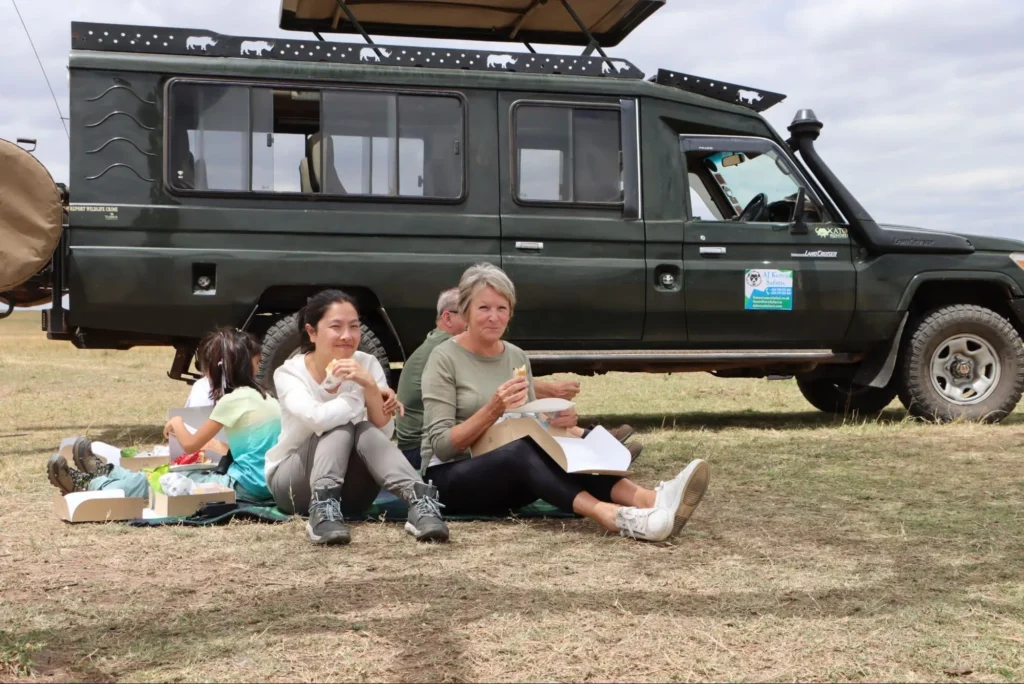
A 5 days Masai Mara and Serengeti safari gives you two nights on each side of the border and a single morning in between. You drive from Nairobi to the Mara, spend a full day there, then take the 8:05 AM AirKenya flight that links up with Regional Air at Tarime, and by 12:30 PM you are on a Serengeti airstrip with a Tanzanian guide waiting. After a full day in the Serengeti, you check out and transfer to Arusha, where the safari ends. For 2027 it costs from USD 4,340 or KES 428,000 per person sharing, and the price depends on the month, because the Serengeti camp we book has to be where the herds are.
5 Days Masai Mara Serengeti Safari Costs (2027)
This is the short version of our Masai Mara and Serengeti safari. If you can give it two more days, the 7-day version adds a night on each side.
Unlike a Kenya-only trip, there is no single price for this route. The Serengeti is 14,750 km², and the wildebeest spend each part of the year in a different corner of it. A camp in the north is perfect in August and empty of herds in February. So we price the trip by month, with a Serengeti camp in the right region for your dates.
Rates assume two guests sharing a room and are quoted per person. They include a private 4×4 Land Cruiser with a TRA-licensed guide in Kenya and a second private Land Cruiser with a Tanzanian guide across the border, two Mara tickets, two Serengeti or Ngorongoro permits, Serengeti concession fees, the AirKenya and Regional Air flight from the Mara to the Serengeti with the bus across the border, the transfer to Arusha (by road from Ndutu and Seronera, by air from Kogatende) and four nights full board. Kenyan citizen prices are set separately, using East African park fees in both countries.
International Visitors (USD)
| Travel Months (Serengeti Region) | Mid-Range | Luxury |
|---|---|---|
| January to March (south) | 5,460 | 7,300 |
| Late May to June (central) | 4,340 | 5,840 |
| July to October (north) | 7,330 | 12,440 |
| November (central) | 4,790 | 6,930 |
Kenyan Citizens (KES)
| Travel Months (Serengeti Region) | Mid-Range | Luxury |
|---|---|---|
| January to March (south) | 581,000 | 809,000 |
| Late May to June (central) | 428,000 | 614,000 |
| July to October (north) | 772,000 | 1,404,000 |
| November (central) | 456,000 | 722,000 |
Where We Put You In The Serengeti
| Region and Months | Mid-Range | Luxury |
|---|---|---|
| South, Ndutu (December to March) | Lake Masek Tented Camp | Lemala Ndutu |
| Central, Seronera (late May to June, November) | Lemala Ewanjan | Kubu Kubu Tented Lodge |
| North, Kogatende (July to October) | Lemala Mara | Sayari Camp |
In the Mara, Mid-Range guests stay at Ashnil Mara Camp and Luxury guests at Elewana Sand River. Both camps are inside the reserve. The prices above use each camp’s own published 2027 rates for those months.
Why July to October costs the most. It is peak season on both sides at once. The Mara fee doubles, the northern Serengeti camps charge their highest rates, and Sayari Camp at Kogatende is one of the most expensive camps in the park. The price also includes the Day 5 flight from Kogatende to Arusha. October is a little cheaper than July to September in the Mara.
December. The table shows January to March prices. December costs more, because the Mara fee doubles from July to December and the Ndutu camps charge holiday rates from about 20 December.
April and early May. The cross-border flight does not operate between 1 April and 20 May. If you travel in those weeks, we route you through Nairobi and Arusha instead, and we will quote that separately.
Living in Kenya on a work permit? Your permit gets you resident rates in the Mara, but Tanzania does not recognise Kenyan work or residence permits. Once you cross the border, you pay the full non-resident Serengeti, Ngorongoro and concession fees. Kenyan citizens qualify for East African rates on both sides, need no visa and are exempt from both countries’ inbound insurance.
What Is Covered in the Price?
- Vehicles: A private Land Cruiser in Kenya from Nairobi on Day 1 until your guide drops you at the Mara airstrip on the morning of Day 3, and a second private Land Cruiser in Tanzania from the moment you land in the Serengeti on Day 3 until you reach Arusha on Day 5, or Kogatende airstrip from July to October. Day 3 is covered on both sides of the border, so you are never without a vehicle.
- Guides: Your Kenyan guide stays with you until you board at the Mara airstrip. Your Tanzanian guide meets you on the Serengeti airstrip and drives you to the end of the safari.
- Park Fees: Two Mara tickets, paid to Narok County Government, since the Day 3 flight leaves before the 10 AM exit time. Two 24-hour Serengeti permits from TANAPA, or Ngorongoro Conservation Area permits when your camp is at Ndutu, plus the concession fee for each night. From Seronera, the Ngorongoro transit fee for the drive out to Arusha is included.
- Flights: AirKenya from your Mara airstrip to Migori, the AirKenya bus through the border to Tarime, and Regional Air from Tarime to the Serengeti airstrip for your camp. This flight is included in the package price. From July to October, the Coastal Aviation flight from Kogatende to Arusha Airport on Day 5 (USD 413 per person with taxes) is included too.
- Accommodation: Four nights in all, two in each park, with every meal included.
- Excluded: Flights onward from Arusha to Kilimanjaro, Zanzibar or anywhere else, the transfer from Arusha to Kilimanjaro International Airport (available on request), tips (USD 15 to 20 / KES 2,000 to 2,500 per guide per day), drinks, the hot air balloon (USD 500 / KES 58,500), a Maasai village visit (KES 1,500 for citizens / USD 20 for non-residents), international flights, the Kenya eTA (USD 34), Kenya’s inbound travel health insurance (up to USD 44), the Tanzania eVisa (USD 50, or USD 100 for US citizens) and Tanzania’s inbound travel insurance (USD 44 adults, USD 22 children).
Before You Book This Trip
| Option | Game Drives | What You Give Up |
|---|---|---|
| 5 days, Mara and Serengeti | About 7 (3 in the Mara, 3 or 4 in the Serengeti) | One morning to the border, two guides, a higher price |
| 5 days, Mara only | About 8, all in the Mara | The Serengeti’s scale and a second country |
After a decade of guiding in the Mara, I tell every guest the same thing about this route before they pay a deposit. Five days across a border works, but only because the morning flight makes it work. You lose the third Mara morning to an early flight, and you give up the slow pace of a single-park safari.
What you gain is real, though. The Mara and the Serengeti hold the same animals, but they feel nothing alike. The Mara is close and rolling, full of lugga valleys and croton thickets. The Serengeti opens out into plains so wide that a herd of ten thousand wildebeest looks small. Seeing both in one week shows you how the migration works as one system, split by a border the animals ignore.
If this is your first safari and you have only five days, a 5 days Masai Mara safari will give you more time with the animals and less time in airports. If you have been to the Mara before, or you want to see the herds on both sides of the river, this trip is the way to do it in a working week.
The 5-Day Itinerary
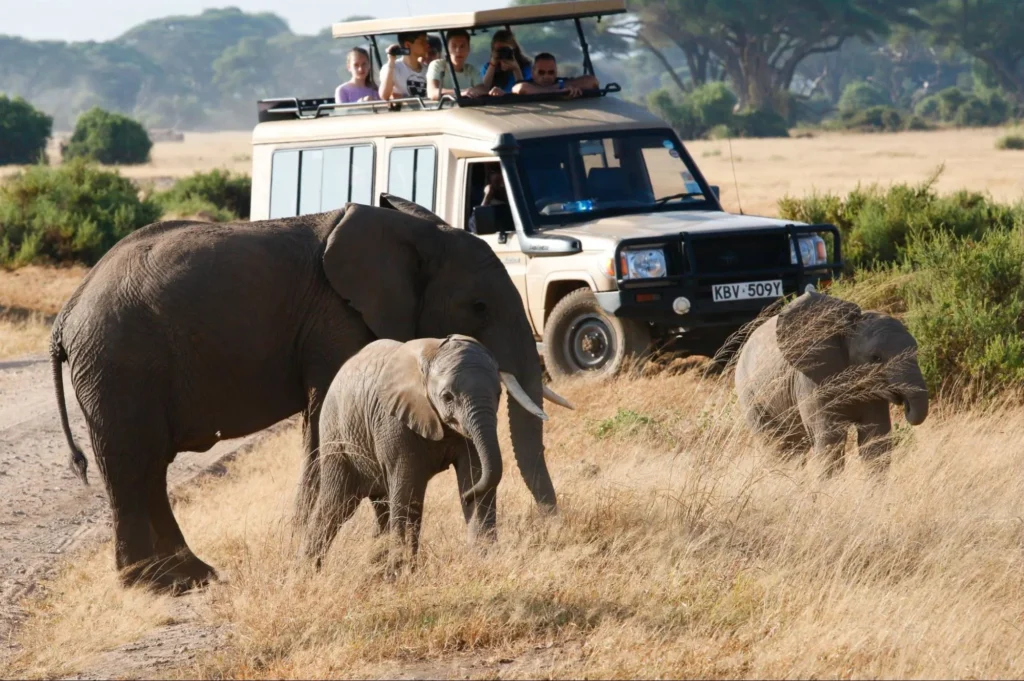
The 5-Day Itinerary
| Day | Where | Plan |
|---|---|---|
| 1 | Nairobi to the Mara | By road, afternoon game drive |
| 2 | Masai Mara | Full day of game drives |
| 3 | Mara to the Serengeti | Morning flight via Tarime, lunch, afternoon game drive |
| 4 | Serengeti | Full day of game drives |
| 5 | Serengeti to Arusha | Check out, transfer to Arusha, safari ends |
Day 1: Nairobi To The Mara, Afternoon Game Drive
We set off from your Nairobi hotel at 7 AM, pause at the escarpment for the view over the Rift Valley floor and reach Narok by mid-morning. Both of our Mara camps are inside the reserve, so we cross Sekenani Gate at about 12:45 PM and game drive all the way to camp. Lunch is waiting when you arrive, and you head out again for the afternoon drive once the heat goes off the plains.
Day 2: Full-Day Game Drives In The Masai Mara
This is your only full day in Kenya, so we use all of it. Leave camp as the sky lightens, carry a cool box lunch and come back after sunset. From July to October we wait at the Mara River crossing points. For the rest of the year the Mara’s resident lions, cheetahs and leopards are reason enough to stay out all day. Tonight, pack for the morning. Everything you carry on the planes tomorrow must fit in one soft bag.
Day 3: Fly To The Serengeti, Afternoon Game Drive
Early breakfast, then your Kenyan guide drives you to the airstrip on the morning route, which is where you say goodbye to him. The AirKenya flight leaves at 8:05 AM and lands at Migori, near the border, at about 8:50. An AirKenya bus takes you to the Sirari One Stop Border Post, where Kenyan exit and Tanzanian entry are handled in the same building, then on to Tarime airstrip by about 10:50. Regional Air, AirKenya’s Tanzanian sister airline, takes off at about 11 AM and lands at about 12:30 PM at the airstrip for your camp: Ndutu from December to March, Seronera in late May, June and November, and Kogatende from July to October.
Your Tanzanian guide is waiting beside the airstrip with your Land Cruiser. You check in, have lunch and go out on your first Serengeti game drive in the late afternoon. Your 24-hour Serengeti permit starts when you enter, around midday.
Day 4: Full-Day Game Drives In The Serengeti
A full day in the region the herds are using that month. In the south between December and March, that means the short-grass plains around Ndutu, where most of the calves are born in a few weeks around February and the lions and cheetahs follow. From April to June and in November, it means the Seronera valley in the centre, with its kopjes, leopards in the sausage trees and the herds passing through. From July to October, it means the Mara River around Kogatende, the Tanzanian side of the same crossings you may have seen on Day 2.
Day 5: Check Out And Transfer To Arusha
Breakfast and check out. How you reach Arusha depends on the region:
- From Ndutu (December to March): about five hours by road through the Ngorongoro highlands and Karatu, with a stop at the crater rim viewpoint.
- From Seronera (April to June, November): a full day by road, about seven to eight hours, game driving south across the plains to Naabi Hill Gate, then over the Ngorongoro highlands. We leave early so you exit the Serengeti before your second 24-hour permit runs out.
- From Kogatende (July to October): you fly. Driving out would take about ten hours, and the five to six hours from Kogatende to Naabi Hill Gate alone would take you past midday, when your second 24-hour permit runs out, so you would pay for a third. Instead, your guide drops you at Kogatende airstrip for the Coastal Aviation flight that leaves at about 9:25 AM and lands at Arusha Airport at about 11:45 AM, via Lake Manyara. The fare is included.
Your safari ends in Arusha. Be careful with the two airports here. Arusha Airport (ARK) is the small airport on the west side of town, used for flights to Zanzibar and the parks. Kilimanjaro International Airport (JRO), where most international flights leave, is east of the city, and the drive between the two takes an hour and a half to two hours in traffic. If you are flying home from JRO on Day 5, book a departure after 8 PM, or add a night in Arusha. We can arrange the transfer to Kilimanjaro on request. Onward flights are not included.
Getting Across the Border
| Step | What Happens | What You Do |
|---|---|---|
| The Sand River gate | Closed to tourist traffic between the two parks | Cross by the flight and road link through Migori and Tarime |
| Guides | Kenyan guides cannot work in Tanzania | Say goodbye at the Mara airstrip, meet your new guide in the Serengeti |
| Vehicles | Kenyan safari vehicles cannot cross | Your Tanzanian Land Cruiser waits at the Serengeti airstrip |
| Sirari border post | One building for both countries | Have your passport, eVisa, both insurance policies and yellow fever card in hand |
The Mara and the Serengeti share a boundary, but you cannot simply drive across. The Sand River gate has been closed to tourist crossings for decades, so the practical route runs west to the main border at Sirari. The AirKenya and Regional Air link turns what would be ten hours on the road into a single morning. AirKenya handles your bags and the bus, and the border formalities usually take 30 minutes to an hour.
Keep your documents in one folder in your hand luggage, not in the hold. At Sirari you will be asked for your passport, your Tanzania eVisa, your Tanzanian insurance certificate and your yellow fever card, and health officers do check the last one for travellers coming from Kenya.
The full story of the closed gate, the two guides and the vehicle swap is on our Masai Mara and Serengeti safari page.
Advice for This Route
- Buy Kenya’s Health Insurance First. Since 5 October 2026, every foreign visitor to Kenya, including children, has needed the government’s inbound travel health insurance, sold only through eCitizen. Expect to pay up to USD 44, and for that the state covers treatment or an air evacuation worth up to USD 50,000 during your days in Kenya. You can skip it if you are Kenyan, hold a Kenyan permit or travel on an East African Community passport.
- Then Buy Tanzania’s. Mainland Tanzania began its own compulsory inbound insurance on 1 October 2026: USD 44 for adults and USD 22 for children, sold through the National Insurance Corporation portal. Travellers without it can be refused entry at Sirari. Kenyan and other East African citizens are exempt.
- The East Africa Tourist Visa Is No Use Here. It covers Kenya, Uganda and Rwanda only. Buy the Tanzania eVisa on the official portal at least two weeks before you travel, and print it.
- Show The Original Yellow Fever Card. Kenya is a yellow fever risk country, so port health officers at Sirari ask everyone entering Tanzania from Kenya for a yellow fever certificate. The jab must be at least 10 days old on the day you cross. Only the original yellow booklet is accepted, not a photo on your phone.
- No Carrier Bags At Sirari. Thin plastic shopping bags are illegal in Tanzania, and the border officers open luggage to look for them. A duty-free bag can cost you the bag and a fine on the spot. Zip-top pouches for your toiletries are fine to keep.
- Know Your Two Arusha Airports. Arusha Airport (ARK) and Kilimanjaro International Airport (JRO) are different airports, up to two hours apart by road. Book international flights out of JRO for after 8 PM on Day 5, or stay a night in Arusha.
- Choose The Camp By The Month. The herds follow the rain. Roughly, they are in the south around Ndutu from December to March, in the centre and west from April to June, in the north from July to October, and coming back south through the centre in November. Book a camp in the wrong region and you may see very few wildebeest.
- Ndutu Is Not In The Serengeti. The southern calving plains around Ndutu sit mostly inside the Ngorongoro Conservation Area, so you pay Ngorongoro permits there rather than Serengeti fees. Your guide can drive into the Serengeti side if the herds move.
- Mind The Flight Calendar. The Mara to Serengeti link does not fly from 1 April to 20 May. It needs at least two passengers per airstrip, and four between 1 November and 15 December. We confirm seats before we confirm your booking.
- Watch The 24-Hour Clock. The Mara sells tickets by the calendar day. The Serengeti sells 24-hour permits from the time you enter. Landing at 12:30 PM on Day 3 gives you two permits that run until midday on Day 5, which is why we leave early on the last morning.
- Pack For Two Light Aircraft. Both the AirKenya and Regional Air planes allow about 15 kg each in a soft bag, cameras included. Your safari ends in Arusha, so there is no chance to collect a heavy bag left in Nairobi. Pack for the whole trip within that limit. If you have a hard suitcase as well, we can send it ahead by air cargo from Nairobi to Arusha Airport or Kilimanjaro, so it meets you at the end of the trip. If you are coming back through Kenya, we can simply keep it at our Nairobi office.
- Tip Your Kenyan Guide At The Airstrip. He leaves you on Day 3, so settle his tip before you board. Your Tanzanian guide is tipped at the end, in Arusha. US dollars or shillings both work.
- No Night Drives In Either Park. The main Mara reserve and the Serengeti both close at dusk. If a walk or a night drive matters to you, ask us to move your Mara nights to a conservancy camp.
- Bring Clean Dollar Notes. Tanzanian camps, tips and visa offices prefer US dollars, and notes printed before 2013 or with tears are often refused.
- The Crater Is Not On This Trip. On the drive to Arusha you pass the Ngorongoro rim, but descending into the crater takes half a day and a separate fee. If you want it, add a night at Karatu or look at our longer itineraries.
Frequently Asked Questions
How much does a 5 days Masai Mara and Serengeti safari cost?
From USD 4,340 for international visitors or KES 428,000 for Kenyan citizens, per person sharing, on the Mid-Range tier from late May to June. The most expensive time is July to October, when both parks are in peak season, from USD 7,330 / KES 772,000 on Mid-Range, including the flight out from Kogatende.
Can you fly directly from the Masai Mara to the Serengeti?
Almost. AirKenya flies from the Mara to Migori at 8:05 AM, a bus takes you through the border at Sirari to Tarime, and Regional Air flies you into the Serengeti, landing at about 12:30 PM. It is one ticket, and you are on safari in Tanzania that afternoon.
Where does the safari end?
In Arusha, on the afternoon or evening of Day 5. Flights onward to Kilimanjaro, Zanzibar or home are not included, but we can book them for you.
What is the best month?
July to October gives you the herds on both sides of the border. January to March is calving season in the south of the Serengeti and quieter, cheaper time in the Mara. Our Masai Mara vs Serengeti guide and our best time to visit guide explain the months in more detail.
Do I need separate visas?
Yes. Most non-African passport holders need the Kenya eTA (USD 34), and everyone except East African citizens needs a Tanzania eVisa (USD 50, or USD 100 for US citizens). You also need both countries’ insurance policies and a yellow fever card.
Is a 4×4 mandatory?
Yes, on both sides. The Mara’s black cotton soil turns to mud after rain, and the Serengeti tracks are long and rough. Both of your vehicles are Land Cruisers.
Will I see different animals in each park?
Mostly the same species. The difference is the landscape and the scale, and in some months which park has the herds. The Serengeti also has a small number of black rhinos in the Moru kopjes, but they are rarely seen on a short visit.
Should You Do This Trip
Do it if you have been to the Mara before, if you want to see the migration on both sides of the border, or if you are heading on to Zanzibar or Kilimanjaro anyway and Arusha is on your way. Skip it if this is your first safari and five days is all you have. One park, well done, beats two in a hurry.
For longer cross-border plans, see our Kenya Tanzania safari page.
Plan Your 5 Days Masai Mara And Serengeti Safari
Tell us your travel month, whether you prefer Mid-Range or Luxury, and where you are going after Arusha. We will check seats on the cross-border flight, match your Serengeti camp to the herds and send an itemised 2027 quote, usually within a day.
Related Reading:
- Masai Mara and Serengeti Safari
- 7 Days Masai Mara Serengeti Safari
- Masai Mara vs Serengeti
- Sand River Gate
- Kenya Tanzania Safari
- Mara River Crossings
- Ashnil Mara Camp
- 5 Days Masai Mara Safari
Written by David Njunge, TRA-licensed safari guide with over 10 years in the Masai Mara. Edited by Cess Wambui, travel consultant, BSc Tourism and Hospitality Management. Verified for the 2027 season.
Welcome to Masaimara.co.ke
Thank you for visiting us! We're excited to help you plan an unforgettable safari adventure across Kenya.