
Ol Kinyei Conservancy: The Honest 2026 Guide
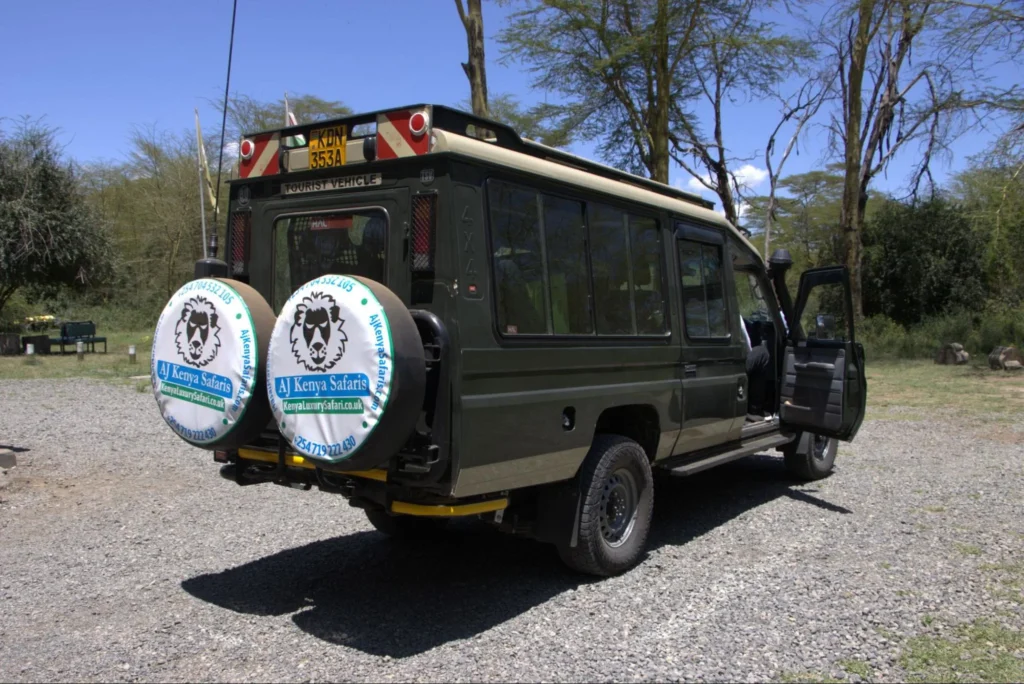
The Ol Kinyei Conservancy is the most affordable private conservancy in the Masai Mara ecosystem and the first community-run conservancy established here. It covers 18,700 acres with only two camps and four cottages, accommodating a maximum of 24 guests at any time. Conservancy fees ($70–$100/day) are included in camp rates starting around $380 per person per night. The terrain is more woodland savannah than open grassland, making it stronger for leopards and walking safaris than for open-plains viewing. All-inclusive 5-day packages range from KES 231,400 ($1,780) to KES 998,400 ($7,680) per person sharing.
Ol Kinyei Safari Costs (2026/2027)
All-inclusive prices per person sharing, based on two people in a private 4×4 Land Cruiser. Conservancy fees are included in the camp rates below. Ol Kinyei is the most affordable conservancy option in the Mara.
5-Day All-Inclusive Rates (Per Person Sharing)
Package Tier | Camps (Nakuru + Ol Kinyei) | Regular Season (KES) | Peak Season (KES) |
Budget | Lake Nakuru Lodge / Ol Kinyei Adventure | KES 231,400 | KES 416,000 |
Mid-Range | Sarova Lion Hill / Porini Cheetah Camp | KES 283,400 | KES 481,000 |
Luxury | The Cliff Nakuru / Porini Mara Camp | KES 469,300 | KES 725,400 |
Luxury Plus | The Cliff Nakuru / Ol Kinyei Safari Cottages | KES 677,300 | KES 998,400 |
Note: Conservancy fees around $70–$100/day included. Reserve entry is extra ($100–$200/day) if you cross into the public park. For a luxury safari upgrade or flying packages, request a custom quote.
What’s Covered
- A private 4×4 Safari Land Cruiser for the full trip.
- A TRA-licensed guide experienced with the conservancy’s woodland terrain.
- All conservancy conservation fees and Lake Nakuru entry fees.
- Night drives, off-road tracking, and guided walking safaris with Maasai trackers.
- One-way return flight via Ol Seki Airstrip to Nairobi Wilson through Masai Mara flying packages.
- Full board, 3 meals daily.
- AMREF Flying Doctors emergency air evacuation insurance.
What’s Excluded
- Kenya eTA (~$30).
- Tips (KES 3,000/day for guide).
- Alcohol and premium drinks.
- Hot air balloon ($450–$500).
- Main reserve entry fees if crossing into the public park ($100–$200/day extra).
- International flights.
The 5-Day Itinerary
Migration Period | Key Wildlife Experience |
July–October | Main wildebeest river crossings (requires Reserve pass) |
February–March | 100,000 Loita wildebeest calving; peak predator action |
Low-Season Perks | Dramatic big cat tracking with virtually no other cars |
Day 1: Nairobi to Lake Nakuru
Leave Nairobi early to clear the highway traffic. The afternoon is spent at Lake Nakuru tracking black rhinos along the shoreline and watching flamingos from the lake-edge hides. Stay at your selected lodge.
Day 2: Nakuru to Ol Kinyei Conservancy
Drive through the Rift Valley floor and enter the conservancy via the unpaved access tracks. Or fly to Ol Seki Airstrip (one hour from Wilson Airport), which sits in neighbouring Naboisho. The 20–30 minute transfer from the airstrip to your camp doubles as a game drive through Naboisho lion country, so keep your lenses ready on the drive in. Afternoon game drive. Stay at your chosen camp.
Day 3–4: Full Days in the Conservancy
Two full days across 18,700 acres of woodland savannah, rolling hills, and acacia groves. The terrain here feels different from the central Mara’s open grasslands. It’s more intimate, with hidden ravines and thick bush that rewards patient tracking.
Off-road driving means your guide can leave the track to follow a hunting pack or position the vehicle for photography angles that the reserve’s road-only rules don’t allow. The walking safaris here go deeper than anywhere else I’ve worked in the Mara. The guides are Maasai men who grew up on this exact land. They know which bark treats a stomach ache, which footprint was left 20 minutes ago, and which bush a leopard is sitting behind before you see it.
Porini Cheetah Camp guests get dual access to Naboisho Conservancy as well, which adds terrain variety and species that Ol Kinyei alone doesn’t have.
Night drives with red-filtered spotlights. One guest described driving alongside leopards and cheetahs for a kilometre after dark. Another found a lion pride eating a warthog on a night drive and called it the highlight of the trip.
The camps are 100% solar-powered. Charge all camera batteries and power banks between 11 AM and 2:30 PM when the panels are generating peak output. After 4 PM or 10 PM, the inverters may be rationed.
In February and March, a resident herd of roughly 100,000 wildebeest and zebras moves west from the Loita plains and calves in these hills. The volcanic soil produces grass rich in calcium and phosphorus that pregnant wildebeest specifically seek out. This is peak predator action at low-season prices.
Day 5: Departure
Early morning walking safari. Fly back to Nairobi from Ol Seki Airstrip via Masai Mara flying packages.

The Conservancy
Ol Kinyei was established in 2005, making it the first community-run conservancy in the Mara ecosystem. 171 Maasai landowners leased their land to conservation partners with livestock exclusion zones to protect the habitat. It holds a rare place on the IUCN Green List of Protected Areas.
The entire conservancy has two permanent camps and four cottages. Porini Mara Camp has 6 tents under yellow-barked acacia trees, accommodating 12 guests. Porini Cheetah Camp sits closer to Ol Seki Airstrip. The newer Ol Kinyei Safari Cottages have two bedrooms per unit, indoor and outdoor showers, 24/7 electricity, and a dedicated chef and butler team per cottage. They’re the most comfortable option for families.
With a maximum of 24 guests in the entire conservancy, the vehicle density is the lowest in the Greater Mara. One reviewer stayed three days and saw two other vehicles. Another described it as “we had the wildlife to ourselves.”
Camp touches include hot water bottles tucked into beds at night and hot chocolate delivered before the sunrise drives. The camps are unfenced. Zebras, monkeys, and wildebeest graze metres from the tents. Buffalo, hyenas, and leopards move through the camp footprint after dark. Armed Maasai warriors escort guests between tents at night.
Your conservancy fee covers Ol Kinyei only. The main reserve fee ($100–$200/day) is separate. Ol Kinyei sits further from the Mara River and the main crossing points than Olare Motorogi or Mara North, so reserve day trips eat into game drive time. A Masai Mara booking through a registered operator structures your days to batch any reserve visit onto a single pass.
Credit card terminals don’t work reliably inside the conservancy’s hilly valleys. Carry physical cash (USD or KES) or top up M-Pesa before leaving the Narok highway.
What the Terrain Changes
The woodland character of Ol Kinyei changes how the predators hunt. Leopards and bushbuck are easier to find here than on open plains because the acacia groves and ravines provide the cover they need. Cheetahs adapt by using the dense Euclea (diamond-leaf) bushes on the hillsides as trap walls, herding Thomson’s gazelles off the slopes and pinning them against the thick interlocking branches.
Most visitors instinctively scan the open valley floors. The local guide approach is different. The ambushes here happen along the contours of the bushy hillsides rather than on open grass. Watch for a gazelle freezing near a bush margin and you’ll find the predator close behind.
No rhinos are present inside Ol Kinyei’s boundaries. Naboisho (free access for Porini Cheetah guests) and the main reserve (extra fee) are where rhino sightings happen.
Over 330 bird species have been recorded in the conservancy. The woodland habitat draws species that the open-plains conservancies miss.
Before You Book
Camp Option | Ideal Travel Profile |
Porini Cheetah Camp | Photographers wanting free bonus access to Naboisho |
Porini Mara Camp | Purists seeking a classic, eco-friendly tented safari |
Safari Cottages | Families requiring 24/7 power and private luxury teams |
- Choose Porini Cheetah over Porini Mara if species variety matters. Cheetah Camp includes Naboisho access at no extra fee, which adds rhinos and different lion prides that Ol Kinyei alone doesn’t have.
- Request a walking safari on your first full day. It sets the tone for the rest of the trip and uses what Ol Kinyei does better than any other conservancy in the Mara.
- If fly camping is available during your visit, take it. Sleeping under a dome tent in the bush with a Maasai tracker and no electricity is the most memorable night most guests have on the trip.
- Ask your booking agent specifically who your guide will be. Reviews of Porini guides range from exceptional to disappointing, and the guide makes or breaks the experience in a conservancy where the terrain demands local knowledge.
- Wear khaki or olive along the water channels. Dark blue and black attract tsetse flies.
- The Ol Kinyei Safari Cottages are the best option for families with children. Two bedrooms per unit, 24/7 electricity, and a private butler team make them more comfortable than the tented camps.
- Verify your operator on the KATO directory before paying a deposit. Ol Kinyei’s walking safaris and off-road terrain reward guides who know the woodland rhythms here.
Frequently Asked Questions
What is the difference between the reserve and Ol Kinyei?
The reserve is public with high vehicle density. Ol Kinyei is private community land with the lowest vehicle density in the Mara, off-road driving, night drives, and walking safaris. See our Masai Mara packages page for options in both.
How much are conservancy fees?
$70–$100 per adult per day, included in your camp rate. These fees fund the Maasai landowner leases directly.
Can I visit the reserve from Ol Kinyei?
Yes, but the reserve fee ($100–$200/day) is separate. See our Masai Mara migration page for crossing timing and our wildebeest migration guide for the full cycle.
Can I see the Big Five?
Lions, leopards, elephants, and buffalo are all present. Rhinos are not inside Ol Kinyei but Naboisho (free for Porini Cheetah guests) and the main reserve both have them.
Is a 4×4 mandatory?
Yes. The rough terrain, unpaved tracks, and clay soil after rain require a 4×4 with low-range gears.
When is the best time to visit?
June–September for dry weather and short grass. February–March for the Loita calving migration at low-season prices. January–February for birding after the short rains. See our best time to visit guide.
The Ol Kinyei Difference
I brought a first-time safari family here last January who’d been quoted $2,000 a night at a northern conservancy camp. They nearly cancelled the trip over the cost. We put them at Porini Mara for a third of that price. On their second afternoon, their guide found a female cheetah with three cubs stalking a Thomson’s gazelle along a Euclea hillside. No other vehicle. They watched the chase, the catch, and the cubs feeding for 20 minutes in complete silence. The mother looked up at the vehicle once, decided it wasn’t worth worrying about, and went back to eating. That family has booked twice more since. Ol Kinyei is where the conservancy model proves it doesn’t need a $2,000 price tag to work.
Our 3-day and 4-day trips work for a focused Ol Kinyei stay. The 5-day adds Nakuru. The 6-day Amboseli circuit adds Kilimanjaro views. The Mara-Amboseli-Nakuru loop covers all three. Browse everything on our Masai Mara packages page.
Fill out our booking form at Masaimara.co.ke below here and tell us your dates.
This guide was authored by David Njunge, a TRA-licensed safari guide with over 10 years of experience, and edited by Cecilia Wambui, a travel consultant with a degree in Tourism and Hospitality Management.
Related Reading:
- Olare Motorogi Conservancy
- Mara North Conservancy
- Masai Mara Entrance Gates
- Best Time to Visit Masai Mara
- Wildebeest Migration Kenya
- Masai Mara Migration
- Lions in Masai Mara
- Leopards in Masai Mara
- Elephants in Masai Mara
- Rhinos in Masai Mara
- Birding Safari Masai Mara
- Photography Safari Masai Mara
- Walking Safaris Masai Mara
- Night Game Drive Masai Mara
- All Inclusive Masai Mara Safari
- Masai Mara Amboseli Nakuru Safari
- 6 Days Masai Mara Amboseli Safari
- 5 Days Masai Mara Safari
- 4 Days Masai Mara Safari
- 3 Days Masai Mara Safari
- Luxury Safari Masai Mara
- Masai Mara Packages
- Masai Mara Flying Packages
- Masai Mara Booking
- Official KWS Park Fee Portal
- Kenya Wildlife Service
Welcome to Masaimara.co.ke
Thank you for visiting us! We're excited to help you plan an unforgettable safari adventure across Kenya.