
Lemek Conservancy: The Honest 2026 Guide
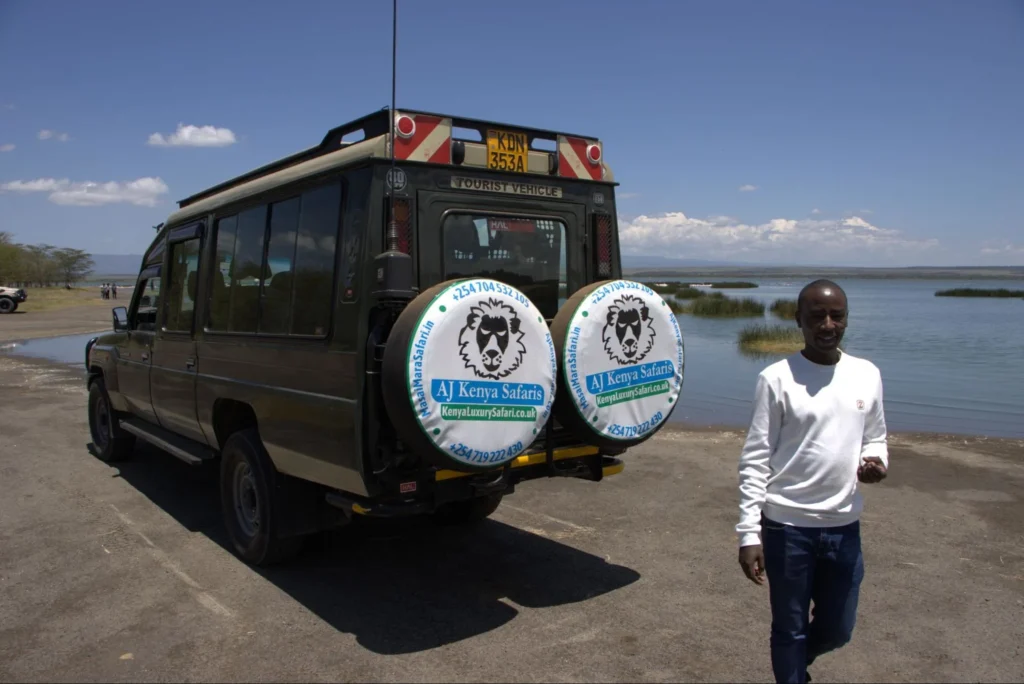
The Lemek Conservancy covers 17,350 acres on the northern boundary of the Masai Mara ecosystem, bordering Mara North Conservancy. It is the most accessible conservancy in the Mara, about 4 hours from Nairobi on mostly good tarmac. Conservation fees are a flat $70–$100 per night, included in camp rates. Lemek is developing but its wildlife is strong, its prices are competitive, and its night drives run later than any other conservancy. All-inclusive 5-day packages range from KES 226,200 ($1,740) to KES 1,081,600 ($8,320) per person sharing.
Lemek Safari Costs (2026/2027)
All-inclusive prices per person sharing, based on two people in a private 4×4 Land Cruiser. Conservancy fees are included in the camp rates below. Lemek’s developing status keeps prices competitive against the larger conservancies.
5-Day All-Inclusive Rates (Per Person Sharing)
Package Tier | Camps (Nakuru + Lemek) | Regular Season (KES) | Peak Season (KES) |
Budget | Lake Nakuru Lodge / Mattikoko Safari | KES 226,200 | KES 421,200 |
Mid-Range | Sarova Lion Hill / Losokwan Camp | KES 271,700 | KES 486,200 |
Luxury | The Cliff Nakuru / Elephant Pepper Camp | KES 483,600 | KES 756,600 |
Luxury Plus | The Cliff Nakuru / Saruni Wild Camp | KES 704,600 | KES 1,081,600 |
Note: Conservancy fees around $70–$100/night included. Reserve entry is extra ($100–$200/day) if you cross into the public park. For a luxury safari upgrade or flying packages, request a custom quote.
What’s Covered
- A private 4×4 Safari Land Cruiser for the full trip.
- A TRA-licensed guide experienced with Lemek’s terrain and the cross-conservancy boundaries.
- All conservancy conservation fees and Lake Nakuru entry fees.
- Night drives (until 11:30 PM with authorization), off-road tracking, and guided walking safaris with Maasai trackers.
- One-way return flight from Mara North Airstrip to Nairobi Wilson via Masai Mara flying packages.
- Full board, 3 meals daily.
- AMREF Flying Doctors emergency air evacuation insurance.
What’s Excluded
- Kenya eTA (~$30).
- Tips (KES 3,000/day for guide).
- Alcohol and premium drinks.
- Hot air balloon ($450–$500).
- Main reserve entry fees if crossing into the public park ($100–$200/day extra).
- International flights.
The 5-Day Itinerary
Lemek Safari Highlight | Expert Strategic Advantage (E-E-A-T) |
Multi-Conservancy Access | Seamless driving rights across Lemek, Ol Choro, and Mara North. |
Extended Night Drives | Authorized tracking until 11:30 PM to spot nocturnal predators. |
Post-Grazing Tracking | Finding cheetahs camouflaged on flat, warm post-boma grass lanes. |
Private River Bend Shelf | Crowded-free viewing of large crocodiles near dry-season rock shelves. |
Day 1: Nairobi to Lake Nakuru
Leave Nairobi early to clear the highway traffic. The afternoon is spent at Lake Nakuru tracking black rhinos along the shoreline and watching flamingos from the lake-edge hides. Stay at your selected lodge.
Day 2: Nakuru to Lemek Conservancy
Drive through the Rift Valley floor and branch onto the unpaved Aitong tracks. The total drive from Nairobi is about 4 hours on mostly tarmac, making Lemek the fastest conservancy to reach. Alternatively, fly into Mara North Airstrip (one hour from Wilson Airport). The 15-minute transfer to your camp is through open grassland with resident herds, so keep lenses ready. Afternoon game drive. Stay at your chosen camp.
Day 3–4: Full Days in the Conservancy
Two full days across 17,350 acres of open grassland and rugged Lemek Hills. The terrain shifts between sandy loam plains and hilly acacia bush, which means different habitats within a short drive. Off-road tracking lets your guide follow a hunting pack across open ground for close photography angles.
There are no fences or markers between Lemek and Mara North. Your vehicle will cross the invisible boundary during a standard morning drive without realising it. Saruni Wild maintains driving rights across Lemek, Ol Choro Oirouwa, and Mara North, so their guides can pivot across borders based on where the cats are active. This triple-conservancy access is Lemek’s biggest advantage.
Maasai cattle graze inside the conservancy on a managed rotation schedule. At dawn, ask your guide where the livestock slept the night before. When cattle leave the temporary bomas, lion prides and cheetahs move directly into those clearings because the grass is trampled flat, the turf is tick-free, and the ground holds residual warmth. Finding a cheetah family sprawled on warm earth where cattle stood an hour earlier is a genuine ecosystem detail that gives clean photography sightlines over short grass.
The Mara River loops through the northern edge of the conservancy. During the dry months (February and September), water levels drop and expose a dark rock shelf on a major river bend. Carcasses of wildebeest and zebras that drowned during crossings further south wash up against these rocks, attracting the river’s largest crocodiles. This is a private feeding station with no other vehicles.
Night drives in Lemek can run until 11:30 PM with a KES 5,000 authorization fee. Most other conservancies enforce a 9 or 10 PM curfew. That extra hour and a half matters because striped hyenas rarely leave their rocky dens before 10 PM, and leopards use the silence of a parked vehicle as a visual shield to ambush sleeping impala along the track margins. By 10:15 PM, every other conservancy’s fleet is back in camp. Lemek’s plains are pitch-black and entirely silent.
The Lemek Hills are one of the few places in the Greater Mara where African wild dogs have been recorded. They’re hard to find visually in the thick whistling-thorn bush. I listen for the White-browed Coucal instead. When a hunting dog pack flushes scrub hares and mongooses through the thickets, the Coucals follow from the canopy, emitting a rapid, frantic version of their bubbling call. Tracking that sound lets me position the vehicle where the dogs will break into the open.
Day 5: Departure
Early morning walking safari or bush breakfast. Fly back to Nairobi from Mara North Airstrip via Masai Mara flying packages.
The Conservancy
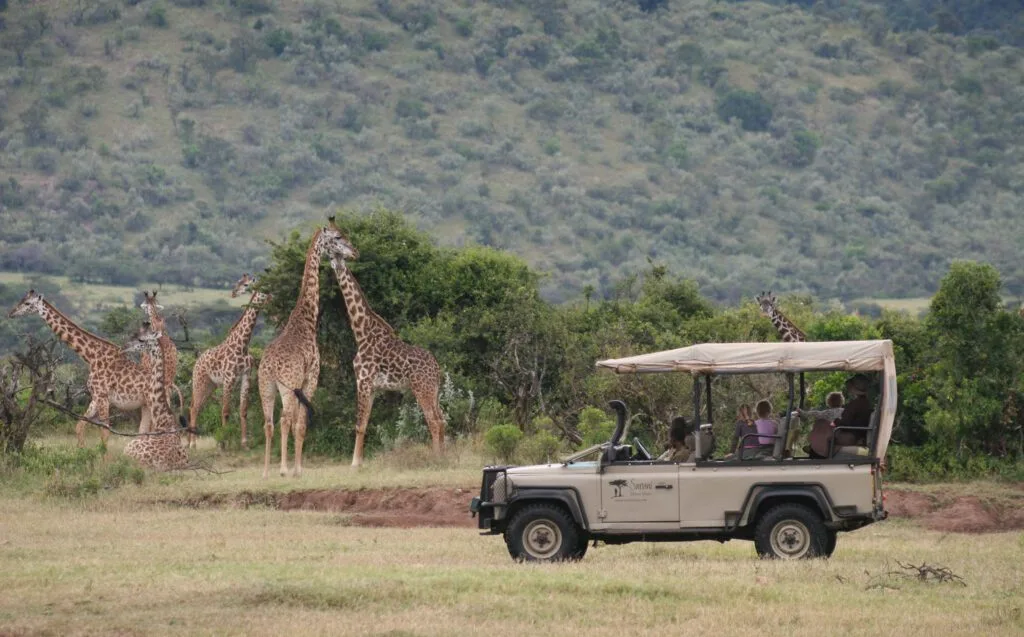
Lemek is owned by 390+ Maasai families. A large portion of the historic Lemek-Koiyaki management block merged into Mara North Conservancy, leaving Lemek as a tightly protected autonomous core of 17,350 acres. The two conservancies share an unfenced border, which means wildlife moves freely between them but their fee systems are separate.
Saruni Wild is the main camp. It sits in a shallow lugga valley with views across the open plains and has between 3 and 5 tents depending on the season. At full capacity it sleeps about 12 guests, which makes it one of the smallest camps in the Mara. The Italian-owned kitchen serves pasta and Italian-influenced food that reviewers consistently praise. There is no electricity in the tents. Batteries are charged in the communal lounge, which has 24-hour power. Bucket showers with hot water brought on request. Water is brought by bowser from Aitong spring. Lions have walked through camp at 8 PM on multiple occasions. Armed askaris escort guests between tents after dark. The camp is unfenced.
Losokwan Camp offers a mid-range alternative with 6 tents. The chef cooks multiple cuisines including Indian food, pasta, and pizza. Hippos and spotted hyenas wander past the tents after 10 PM. Security ensures guests are back inside by then. The drive to the nearest reserve gate takes about an hour.
Cell signal in Lemek is weak. The conservancy sits beneath the low volcanic hills around Aitong town, which creates a reception dead zone. Cache your QR codes and entry receipts before leaving the Narok highway. Carry small KES notes for the Thursday village market in Aitong, which is a functioning community market, not a tourist performance.
Your conservancy fee covers Lemek only. A day trip into the main reserve for crossings costs an extra $100–$200 per person. Conservancy vehicles can enter the reserve, but reserve vehicles cannot enter the conservancy. A Masai Mara booking through a registered operator pre-validates all entry permits and handles the cross-border logistics.
What You Find Inside Lemek
Wildlife & Track Dynamics | Current Status & Field Identification Tip |
The Lemek Lion Pride | 1 surviving dominant male, 4 resident lionesses, and 5 young cubs. |
Pride Denning Territory | Moves through dense western whistling-thorn brush rather than open plains. |
Wild Dog Sentinel Audio | Follow frantic White-browed Coucal calls to locate moving dog packs. |
The Warriors Academy | Authentic tracking, tool-making, and bushcraft lessons for kids 6+. |
The resident Lemek Pride has been through a territorial upheaval. The coalition known as the Sankai Boys (Seenka and Kini) held this territory for years until the Enkuyonai Males invaded from the south. Seenka was killed. Kini, the surviving brother, is now defending 4 lionesses and 5 youngsters, including two sub-adult sisters and a yearling cub. The pride avoids open grassland and moves through thick riverine scrub and drainage depressions to keep the cubs hidden from the invading males. Your guide needs to scan the dense whistling-thorn canopy near the western borders rather than the open plains.
The Warriors Academy programme at Saruni gives children over 6 the chance to learn tracking, tool-making, and animal behaviour from Maasai boys their own age. Reviewers describe it as a genuine cultural exchange rather than a staged performance.
This is genuine bush camping. One reviewer at Saruni Wild had a black spitting cobra enter their tent during the afternoon. Staff dealt with it and the guest moved to a different tent. They stayed for the rest of their trip and described the incident as “a great story to tell.” If something enters your tent, back away slowly and alert the askari.
Before You Book
- The conservancy fee is a flat rate that doesn’t increase during peak season, unlike the main reserve which doubles to $200/day in July. Over a 4-day stay, the saving adds up fast.
- Dawn drives in Lemek are colder than in the central Mara. The hills funnel cold air down into the valleys. Pack a warm fleece and ask your camp for a hot water bottle to hold during the early drive.
- Request a bush breakfast on the open plains. Eating on the grassland with nothing around but herds and sky is a conservancy experience that reserve lodges don’t offer.
- Bring binoculars and a bird field guide. Lemek’s mix of open grassland and bushy hills draws woodland species that the flat conservancies further south don’t have. The guides at Saruni are trained birdwatchers and carry field guides in the vehicles.
- Wear khaki or olive along the stream valleys. Dark blue and black attract tsetse flies.
- Ask your camp about a sundowner drive to the top of the Lemek Hills. The guides at Saruni take guests to the highest viewpoint in the area and serve drinks as the sun drops. The 360-degree view across the plains is worth the bumpy climb.
- Before paying a deposit, verify your operator on the KATO directory. Lemek’s invisible borders with Mara North mean your guide needs cached permits for both conservancies to avoid delays at ranger checkpoints.
Frequently Asked Questions
What is the difference between the reserve and Lemek?
The reserve is public with high vehicle density. Lemek is private community land with controlled access, off-road driving, walking safaris, and night drives until 11:30 PM. See our Masai Mara packages page for options in both.
How much are conservancy fees?
$70–$100 per adult per night, included in your camp rate. This is a flat rate that doesn’t increase during peak season, unlike the main reserve.
Can I visit the reserve from Lemek?
Yes. Conservancy vehicles enter the reserve freely. But the reserve fee ($100–$200/day) is separate. See our Masai Mara migration page and wildebeest migration guide for crossing timing.
What’s the closest airstrip?
Mara North Airstrip, about 15 minutes from Lemek’s border. A 45-minute direct flight connects to Wilson Airport in Nairobi.
Is a 4×4 mandatory?
Yes. The terrain alternates between sandy loam and deep black cotton clay. After rain, the Aitong approach tracks become impassable without low-range gears.
The Lemek Difference
I had a couple from Cape Town here last March who wanted to see a hunting cheetah up close. On the second morning, we found a female on a low mound near a lone Desert Date tree on the Lemek plains. The managed grazing keeps the grass short here, so she had a clear sightline to a group of Thomson’s gazelles 200 metres out. I cut the engine. She didn’t run from the vehicle. She used it. She crouched behind our wheel shadow, waited three minutes, and launched. The kill happened 40 metres from the bonnet. The couple sat in complete silence through the whole sequence. Afterwards the woman said she’d watched hundreds of nature documentaries but had never understood how fast it actually was until the sound of the impact reached her. That’s what the low vehicle density and off-road access give you in Lemek. The cats are so used to the quiet that they stop treating vehicles as threats and start using them as cover.
Our 3-day and 4-day trips work for a focused Lemek stay. The 5-day adds Nakuru. The 6-day Amboseli circuit adds Kilimanjaro views. The Mara-Amboseli-Nakuru loop covers all three. Browse everything on our Masai Mara packages page.
Fill out our booking form at Masaimara.co.ke below here and tell us your dates.
This guide was authored by David Njunge, a TRA-licensed safari guide with over 10 years of experience, and edited by Cecilia Wambui, a travel consultant with a degree in Tourism and Hospitality Management.
Related Reading:
- Olare Motorogi Conservancy
- Mara North Conservancy
- Ol Kinyei Conservancy
- Siana Conservancy
- Masai Mara Entrance Gates
- Best Time to Visit Masai Mara
- Wildebeest Migration Kenya
- Masai Mara Migration
- Lions in Masai Mara
- Leopards in Masai Mara
- Elephants in Masai Mara
- Rhinos in Masai Mara
- Birding Safari Masai Mara
- Photography Safari Masai Mara
- Walking Safaris Masai Mara
- Night Game Drive Masai Mara
- All Inclusive Masai Mara Safari
- Masai Mara Amboseli Nakuru Safari
- 6 Days Masai Mara Amboseli Safari
- 5 Days Masai Mara Safari
- 4 Days Masai Mara Safari
- 3 Days Masai Mara Safari
- Luxury Safari Masai Mara
- Masai Mara Packages
- Masai Mara Flying Packages
- Masai Mara Booking
- Official KWS Park Fee Portal
- Kenya Wildlife Service
Welcome to Masaimara.co.ke
Thank you for visiting us! We're excited to help you plan an unforgettable safari adventure across Kenya.