
14 Days Kenya Safari: The Honest 2026 Guide
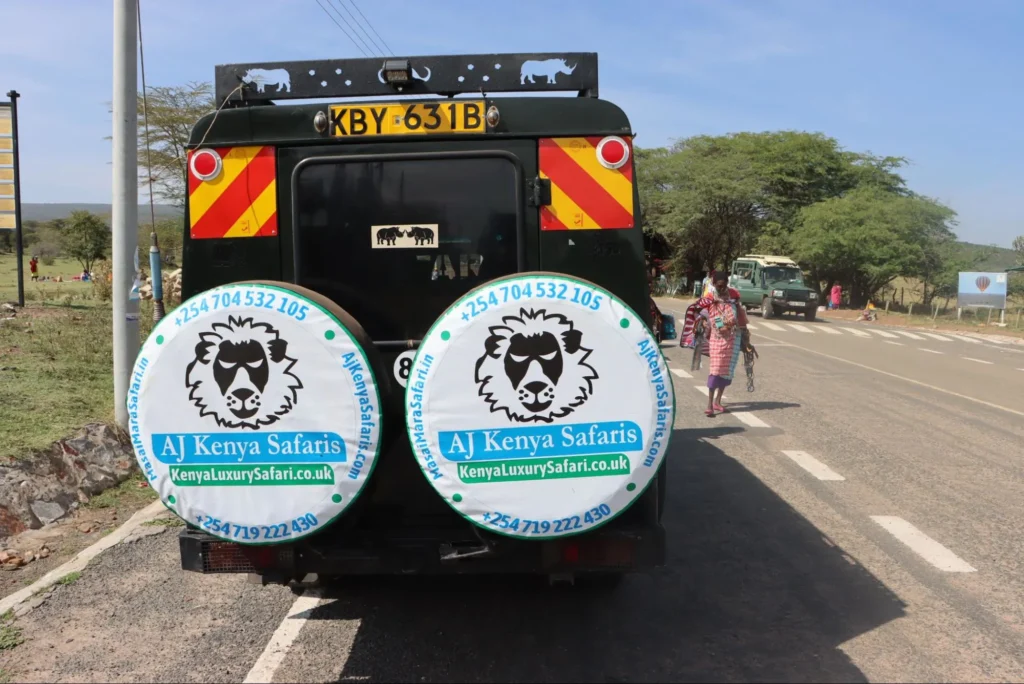
A 14 Days Kenya Safari is the full immersion. Two weeks covers ecosystems that shorter trips can’t reach — the underground elephants of Mount Elgon, the wild dog corridors of Laikipia, and the predator-heavy conservancies of the Mara. For the 2026/2027 season, expect all-inclusive rates for two people sharing to range from KES 767,000 ($5,900) to KES 3,640,000 ($28,000+) per person. This covers a private 4×4 Land Cruiser, a TRA-licensed guide, all eCitizen park fees, and 13 nights of lodging. The veterans don’t add more parks. They add more nights at fewer locations. Two Nairobi nights to bookend the trip and 10 safari nights across three deep locations is the structure that works.
14 Days Kenya Safari Costs (2026/2027)
Pricing reflects the updated park fees and the mandatory 4×4 Land Cruiser rates. These are all-inclusive prices for two people traveling together.
14-Day All-Inclusive Rates (Per Person Sharing)
Package Tier | Suggested Circuit | Regular (KES) | Peak (KES) |
Budget | Camping and public parks | KES 767,000 | KES 1,040,000 |
Mid-Range | Boutique camps + 1 internal flight | KES 1,144,000 | KES 1,690,000 |
Luxury | Private conservancies | KES 1,755,000 | KES 2,210,000 |
Ultra-Luxe | Helicopter transfers + exclusive use | KES 3,640,000+ | KES 4,550,000+ |
Book Now | Current Rates |
Note: Peak season is July–October during the wildebeest migration. If you want to fly one leg, check our Masai Mara flying packages. For a luxury safari upgrade, request a custom quote. The benchmark for a private 14-day trip is roughly $400–$570/day per person at mid-range.
What’s Covered in the Price?
- Vehicle. Private 4×4 Safari Land Cruiser with pop-up roof.
- Guide. TRA-licensed guide for the full 14 days.
- Park Fees. All entries via eCitizen.
- Accommodation. 13 nights full board.
- Water. Bottled water in the vehicle.
Excluded. Tips (KES 3,500/day recommended), alcoholic drinks, hot air balloon ($450–$500), Kitum Cave entry ($20), fly camping ($150–$300/night), Masai village visit (KES 4,500), international flights and Kenya eTA.
I’ve been guiding for ten years. A 14 Days Kenya Safari is a different animal from a 7-day trip. Two weeks gives you time to reach parks that shorter itineraries can’t touch. Mount Elgon near the Ugandan border. Saiwa Swamp, the only place in Kenya to see the Sitatunga antelope. Laikipia, where wild dogs and melanistic leopards are realistic targets instead of lottery tickets. And then 4 nights in the Mara, where you’re relaxed enough to sit at a sighting for 90 minutes instead of rushing to the next gate.
The 14-Day Itinerary
Timeline & Destination | Safari Highlights |
Day 1: Nairobi | Elephant Orphans & Giraffe Centre |
Days 2–4: Mt. Elgon & Saiwa | Kitum Cave elephants & Sitatunga trek |
Days 5–8: Laikipia Plateau | Wild dog tracking & night game drives |
Day 9: Fly to the Mara | Bush flight transfer (15kg bag limit) |
Days 10–13: Masai Mara | Apex predators & Migration crossings |
Day 14: Nairobi / Departure | Nairobi National Park morning safari |
Day 1: Nairobi Arrival
Start slow. David Sheldrick Wildlife Trust at 11 AM for the elephant orphans. Giraffe Centre in the afternoon. Dinner at The Talisman in Karen or Kenyatta Market for real nyama choma. Sleep in Nairobi.
Day 2–4: Mount Elgon and Saiwa Swamp
Long drive west on Day 2 to build the anticipation. Day 3 at Kitum Cave — see the Mount Elgon section below. Day 4 at Saiwa Swamp National Park — Kenya’s smallest park, walking only, no vehicles. See the Mount Elgon section for what to expect.
Day 5–8: Laikipia (Lewa / Ol Pejeta / Borana)
Four nights in the Laikipia Plateau. Wild dog tracking. Melanistic leopard territory. One night of fly camping (see the Laikipia section below). Walking safaris through Karisia or Walking Wild out of Lewa. Night game drives for servals and aardvarks. Najin and Fatu at Ol Pejeta. Baraka the blind rhino.
Day 9: Flight to the Mara
Fly from Nanyuki airstrip to the Mara. The 15 kg soft-bag limit on domestic flights is strict. If you’ve picked up souvenirs, ask about a freight seat (about KES 20,000 for 50 kg extra).
Day 10–13: Masai Mara
Four nights. Six game drives. Tracking lions, cheetahs, and leopards. If the migration is happening (July–October), we position near the Mara River crossing points. Split between a conservancy like Naboisho or Olare Motorogi (walking safaris, night drives, strict vehicle limits) and the main reserve for the crossings. One rest morning where you skip the 5:30 AM coffee and watch animals from your porch.
Day 14: Nairobi and Departure
Morning drive at Nairobi National Park — lions, rhinos, giraffes, and buffalo with the city skyline behind them. Afternoon flight home. Or SGR train to Mombasa for a Diani Beach or Watamu extension.
Mount Elgon’s Salt-Mining Elephants
On a 14-day trip, we finally have the mileage to reach the Ugandan border.
Kitum Cave. This is the only place on earth where elephants walk deep into a pitch-black cave to scrape salt from the walls with their tusks. If you stand inside and turn off your headlamp, you can hear the scraping. Go in the morning. When the elephants exit at noon, the temperature difference creates a mist effect around their bodies. It’s the best video footage you’ll get on the entire trip.
Saiwa Swamp. Kenya’s smallest national park. No vehicles. You walk on floating boardwalks through papyrus swamp looking for the Sitatunga — a semi-aquatic antelope that splays its hooves to walk on floating vegetation. Most Kenyans have never been here. Most guides have never been here. It only fits on a 14-day trip.
Laikipia’s Wild Dogs and Black Leopards
Laikipia is where the vehicle limits are strict. Most conservancies allow a maximum of 5 vehicles per sighting, compared to 12+ in the Mara reserve.
Wild dogs. African Painted Dogs are the rarest large predator in Kenya. They cover 40+ km per day and sightings are unpredictable. Having 3–4 nights in Laikipia dramatically increases your odds compared to hoping for a sighting in the Mara.
Melanistic leopards. Black leopards have been documented in Laikipia more than anywhere else in Africa. The melanistic colouring is caused by a genetic condition. A 14-day trip with 4 Laikipia nights and a guide who knows the territory puts you in the running for one of the rarest sightings in African safari.
Fly camping. One night sleeping in open bush with just a small tent, a mattress, and an armed Maasai warrior on watch. No lodge. No electricity. You hear every hyena call, every rustle. It’s the most intense night of the trip. Only available in conservancies, and only worth doing when you have luxury lodge nights on either side of it.
13 Things to Know Before You Go
Safari Challenge | Guide’s Insider Secret |
Data Outages | Buy a 30-day SIM at airport; 7-day plans expire early. |
“Mara Cough” | Drink local Dawa Tea nightly to soothe alkaline dust throat. |
Hidden Card Fees | Lodges charge 5–7% extra; pay via Wise or bank transfer. |
Rejected Cash | US dollar bills older than 2014 or torn will be refused. |
Booking Markup | Book local KATO operators directly to save $3k–$5k. |
Walking Safaris | Book private conservancies; walking is banned in National Parks. |
- 30-Day SIM, Not 7-Day. Safaricom 7-day data bundles expire on Day 8. Buy the 30-day pack at the airport. Don’t let the kiosk sell you the short one. On a 14-day trip, losing data in remote Laikipia on Day 9 means no uploads, no calls, no M-Pesa.
- Dawa Tea Every Night. The Mara dust is alkaline and dries your throat over two weeks. Ask for Dawa (honey, lemon, ginger) at every lodge. It prevents the cough that hits most guests by Day 10.
- Mara North Is Fly-In Only from 2025. As of 2025, Mara North Conservancy no longer allows third-party vehicles. If you want Mara North’s exclusive sightings, you must stay at one of its member camps and fly in.
- Elewana and Kicheche Circuit Discounts. Staying at multiple camps within the same brand (Elewana: Tortilis, Kifaru, Elephant Pepper; or Kicheche: four Mara/Laikipia camps) saves $500–$1,000 per person in transfer fees and loyalty discounts.
- Western Operators Charge Double. One traveller compared quotes and found a UK-based operator charging double the price of the local Kenyan operator for the same itinerary and camps. Book directly with a KATO-registered operator. The savings on a 14-day trip can be $3,000–$5,000 per person.
- Credit Card Surcharge. Lodges charge 5–7% on card payments. On a trip this long, that can be $500+ in hidden fees. Use Wise or a bank transfer for the bulk payment.
- Walking Safaris Need Conservancies. Walking safaris are only allowed in conservancies, not national parks. With 14 days, you can fit 2–3 walking days. See Day 5–8 in the itinerary for the best options.
- USD Bills Before 2014 Get Rejected. Kenyan banks and foreign exchange offices are strict. Bills before 2014 or with any tear get refused. Keep your cash in a hard-plastic sleeve.
- Finish at a Luxury Lodge, Not the Beach. Not everyone wants Diani after two weeks of bush. The alternative: end with 2–3 nights at a spa lodge like Angama Mara or Cottar’s 1920s Camp. Still in the bush, but the pace drops completely.
- 400 Bird Species in 14 Days. Kenya has 1,158 confirmed species. A 14-day trip that includes Kakamega Forest, the Rift Valley lakes, Samburu, and the Mara can hit 400. Tell your operator at booking so they assign a guide with birding expertise.
- Kaya Forest on the Coast. If you end at Watamu or Diani, visit a Mijikenda Kaya — a sacred forest cathedral maintained by the Mijikenda people. You wear a traditional cloth to enter. It’s silent, ancient, and unlike anything else on the trip.
- The 6-Hour Drive Is Worth It. Experienced travellers prefer driving to the first camp instead of flying. The Rift Valley escarpment views, roadside markets, and slow transition from city to bush make the drive the opening chapter of the story. On 14 days, you can afford the time.
- Maziwa Lala. Start a probiotic 3 days before landing. At local stops, drink Maziwa Lala (fermented milk). It settles the stomach faster than anything from a pharmacy.
What Happens When Your Data Dies in Laikipia
We were nine days into a two-week trip. Northern Laikipia, near the Borana border. My guest had been filming everything on her phone since Day 1. Good footage, too. A leopard kill in Samburu. Baraka eating watermelon at Ol Pejeta. She had hundreds of clips.
Then the wild dogs appeared. A pack of eleven, running a hunt across open grassland. It lasted maybe twenty minutes. She got the whole thing on video. And then her phone died. Not the battery. The data. Her 7-day Safaricom bundle had expired the day before and she hadn’t noticed because we’d been in areas with no signal anyway. Now she had signal, and nothing worked. No uploads. No WhatsApp. No M-Pesa.
She spent the next two hours trying USSD top-up codes that kept timing out on the remote tower. The dogs were long gone. She was angry at herself, not at the network. She knew the footage was on the phone. She just couldn’t share it or back it up until we reached a lodge with Wi-Fi that evening.
It’s a small thing. But on a long trip, the small things are the ones that stick with you.
Frequently Asked Questions
Is 14 days too long?
No. It’s the length where the trip stops being tourism and becomes something else. In 4 days, you see animals. In 14 days, you start to see the connections between the soil, the people, and the wildlife.
What is the best month?
July to October for the migration. Early December for green landscapes and no crowds. January for Samburu and clear Kilimanjaro views. Check our best time to visit Masai Mara guide.
Is a 4×4 Land Cruiser mandatory?
Yes. The Mount Elgon and Laikipia tracks are steep and corrugated. Every private safari we run uses a 4×4.
How much should I tip?
KES 3,500 per day for the guide. KES 1,500 per day for lodge staff. M-Pesa is preferred by most guides and staff in 2026.
Can I add Tanzania or the coast?
Yes. From the Mara, cross into the Serengeti via Sand River (Tanzania visa $50, guide change at border). For the coast, fly from the Mara to Mombasa or take the SGR from Nairobi to Diani Beach. Watamu is the quieter alternative with better snorkelling.
What should I pack?
Soft duffel bags (15 kg max if flying), warm layers for Mount Elgon and Aberdare cold, power bank, binoculars (8×42), portable SSD for photos, DEET insect repellent, collapsible laundry bag, hard-plastic cash sleeve, and a Safaricom 30-day SIM from the airport. Full list in our Masai Mara packing list.
Is this trip safe?
Yes. All parks have rangers, your guide carries a radio, and the lodges are established. More in our Masai Mara safety guide.
What Two Weeks in Kenya Does to You
The first few days, everything amazes you. Then at some point, the way you see things changes. You stop pointing your camera at every animal and start reading the bush instead. The early mornings stop feeling early. Your phone stays in your bag without you deciding to put it there. And one afternoon, you’ll watch a lion shift its weight and know it’s about to hunt before your guide says a word.
The last two days are the surprise. Whether you’re on a beach at Watamu, sitting on a porch at Angama with the Mara below you, or walking through a silent Kaya forest on the coast, you realise the trip changed you somewhere around Day 7 and you didn’t notice until now.
If 14 days feels like too much, try a 5 days Masai Mara safari or a 4 days Masai Mara safari. Want a multi-park circuit? See our 10 Days Kenya Safari or Masai Mara Samburu Nakuru Safari. Browse everything on our Masai Mara packages page.
Ready to start? Fill out our booking form at Masaimara.co.ke here and I’ll get the Land Cruiser ready.
Related Reading:
- 10 Days Kenya Safari
- 12 Days Kenya Safari
- Masai Mara Samburu Nakuru Safari
- Masai Mara Amboseli Nakuru Naivasha Safari
- Masai Mara Amboseli Nakuru Safari
- Masai Mara Amboseli Tsavo Safari
- 6 Days Masai Mara Amboseli Safari
- 5 Days Masai Mara Safari
- 4 Days Masai Mara Safari
- Masai Mara and Diani Beach Safari
- Masai Mara and Mombasa Safari
- Masai Mara Packages
- Luxury Safari Masai Mara
- Masai Mara Flying Packages
- Masai Mara Migration
- Masai Mara Booking
- Wildebeest Migration Kenya
- Masai Mara vs Serengeti
- Nairobi National Park Day Trip
- Masai Mara Safari from Nairobi
- Official KWS Park Fee Portal
- Kenya Wildlife Service
This guide was authored by David Njunge, a TRA-licensed safari guide with over 10 years of experience, and edited by Cecilia Wambui, a travel consultant with a degree in Tourism and Hospitality Management.
Welcome to Masaimara.co.ke
Thank you for visiting us! We're excited to help you plan an unforgettable safari adventure across Kenya.