
Nairobi to Masai Mara by Road: The Honest 2026 Guide
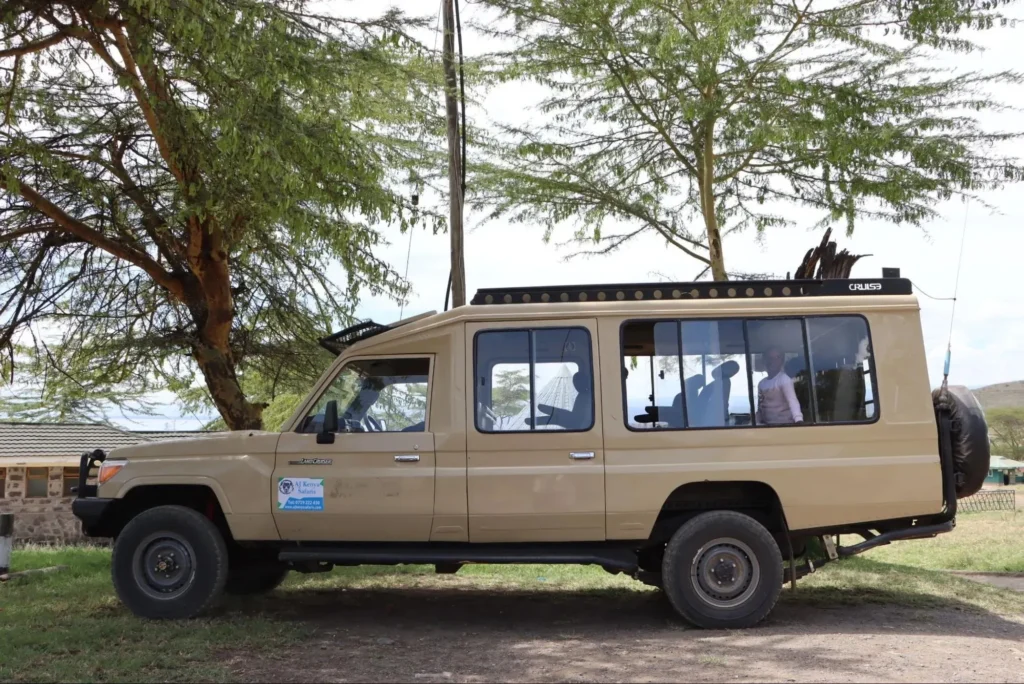
The drive from Nairobi to the Masai Mara by road takes 5 to 7 hours depending on traffic and which gate is the destination. The road trip is half the safari for guests who choose it — the landscape shifts from highland farmland to Rift Valley escarpment to open Maasai savannah. This guide covers the route section by section, where to stop, what to avoid, and the details that the how to get there guide doesn’t go into.
What This Guide Covers
Leaving Nairobi
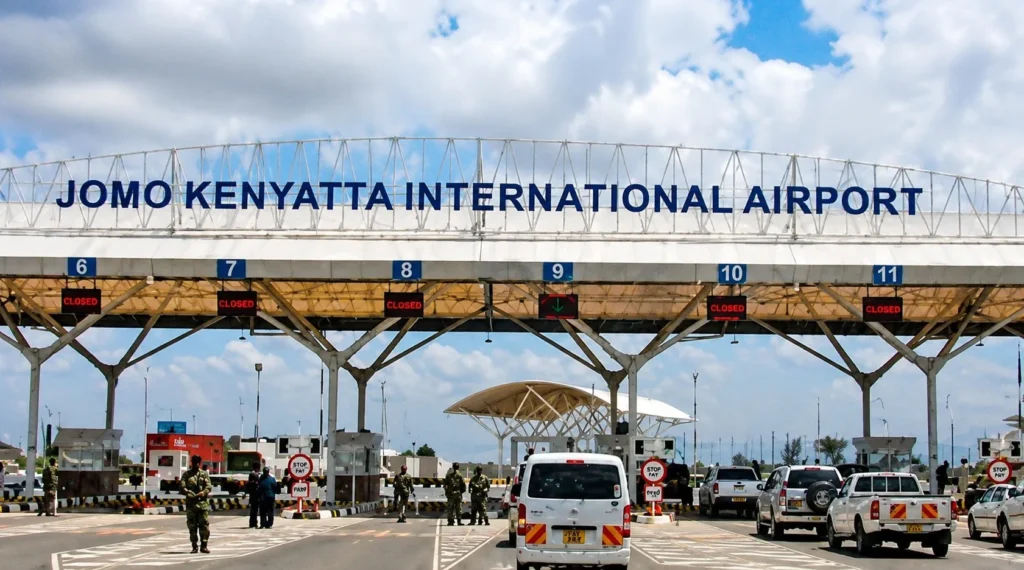
Leave at 6 to 7 AM. Earlier if possible. Nairobi morning traffic can add an hour to the first 30 km. Guests departing from JKIA Airport or the southern suburbs should tell the driver to use the Southern Bypass, which connects to the A104 at Kikuyu without touching the city centre. That alone saves 45 minutes.
The first stop worth making is the Rift Valley viewpoint near Mai Mahiu, about 60 km out. It doesn’t cost anything and the view is worth pulling over for — the valley floor drops away beneath the road with acacia trees stretching to the horizon. There’s a small shop for water and a bathroom. Fifteen minutes is enough. Mai Mahiu means “hot water” in Kikuyu, named after the geothermal springs beneath the valley.
The Escarpment
The descent from the Limuru escarpment onto the Rift Valley floor is the most dangerous section of tarmac on the route. Steep switchbacks, heavy freight trucks grinding downhill in low gear, and drivers overtaking on blind corners. This is where highway accidents happen, not on the unpaved stretch near the Mara.
Sit on the left side of the vehicle during the descent. Kenya drives on the left, so the valley views open up from the left windows as the road drops. On the return journey the vehicle hugs the inner rock wall on the right, and retaining walls and oncoming trucks block the view. Get the photos on the way down because the way back up won’t give the same angle.
The key to this section is the departure time. A 6 AM start puts the vehicle ahead of the freight convoys. Two hours later and the descent becomes a slow crawl behind diesel exhaust on a single-lane road with nowhere to pass.
Escarpment Hazard | 2026 Defensive Strategy |
Heavy Freight Convoys | Depart by 6 AM: Avoid getting trapped behind slow-grinding trucks on narrow, steep switchbacks. |
Blind Corner Overtaking | Rely strictly on a professional driver; oncoming matatus frequently cross lanes. |
Obstructed Return Views | Sit on the left outbound: The uphill return hugs the inner rock wall, blocking the valley entirely. |
The Valley Floor to Narok
After Mai Mahiu, the road narrows to a single-lane tarmac with patches of potholes. The main hazard is matatus and PSVs (public service vehicles) that pull out and overtake into oncoming traffic without warning. Keeping distance from any bus or matatu on this stretch is the most important driving habit of the trip. If the drive passes through Naivasha around midday, The Fishmonger restaurant on the lake road does grilled tilapia and chips — the best food on the route and worth a 20-minute stop.
Narok town isn’t a destination — it’s a fuel and bathroom stop. The Seasons and Enkare have clean facilities. Top up the tank here because there’s nothing reliable after this, grab water, and get back on the road. Don’t accept “Maasai village tour” offers from roadside touts between Narok and the gates — those aren’t the genuine cultural visits. Call the camp from Narok with an estimated arrival time. The kitchen staff use the 2 to 2.5 hour window to prepare meals, assign tents, and schedule the afternoon game drive. Arriving two hours late without notice can mean missing the afternoon drive entirely.
Narok to the Gate
Murram Road Factor | Practical Field Protocol |
Punishing Corrugation | Budget 1.5 to 2 hours: The final 50–60 km of washboard road will rattle loose gear. |
Volcanic Silt Dust | Roll up windows tightly: Fine powder bypasses camera zippers. Wrap gear between sightings. |
4 PM Gate Deadline | Arrive early. Entering past 4 PM charges a full day’s fee ($100–$200) for minimal light. |
This is the section that surprises people. The last 50 to 60 km from Narok to the nearest gates (Sekenani, Talek, Oloolaimutiek) is unpaved corrugated murram. It’s not “a little bumpy.” The washboard vibration rattles loose items, shakes camera gear, and exhausts passengers who aren’t prepared for it. Budget 1.5 to 2 hours for this stretch alone. Roll the windows up once the tarmac ends — the dust cloud from the vehicle ahead is fine volcanic silt that coats sinuses, camera lenses, and clothes within minutes. A buff over the nose helps. Wrap loose camera gear or keep it sealed between sightings.
The upside is that wildlife starts appearing. Giraffes, zebras, and Thomson’s gazelles graze on the roadside verges. Maasai cattle herds (inkishu) cross the road in large columns, signalled by red dust clouds rising above the scrub ahead. The landscape opens into savannah, and the arrival at the gate feels earned.
Aim to reach the gate by 4 PM. Entering after 4 PM still costs a full day’s park fee ($100-$200) for less than two hours of afternoon light. If running late, staying overnight outside the gate at a property like Sentrim or Mara Hilltop and entering at 6 AM the next morning gives a full 12-hour ticket instead. The safari cost guide explains how the ticket system works.

The Return Drive
The return is faster. No Nairobi morning traffic to fight. The uphill escarpment is less nerve-wracking than the descent. Budget 4.5 to 5 hours versus the 5 to 7 hours outbound.
Exit the gate by 10 AM to avoid paying an extra day’s park fee. A dawn game drive before departure works at most camps — the gate is usually 20 to 40 minutes from the camp, so a 6 AM drive gives three hours of morning tracking before heading out.
One option that works well is driving one direction and flying the other. The drive in gives the landscape introduction. The flight back saves 5 hours and the fatigue of repeating the rough stretch. A 5-day trip has enough time for this combination. The 3-day and 4-day trips are tighter — flying both ways saves a full day.
Questions Guests Ask
How long does the drive take?
5 to 7 hours to the eastern gates (Sekenani, Talek). Add 30 to 45 minutes for the western gates (Musiara, Oloololo). The range depends on Nairobi traffic, the escarpment, and the unpaved stretch.
Is the road safe?
With a professional driver, yes. The hazards are covered in the Escarpment and Valley Floor sections above. The one absolute rule: never drive this route at night. The safety guide has more.
Should I drive or fly?
Depends on trip length. Three days or fewer, fly. Five days or more, the drive is worth it for the scenery. The Return Drive section above covers the best compromise.
Do I need a 4×4?
Yes. The unpaved section from Narok requires a high-clearance vehicle with working suspension. Low-clearance minivans get stuck in the corrugations and black cotton mud after rain. The travel tips and packing list cover what else to prepare. Start a booking if dates are set, or send us your dates for a recommendation. The packages page has all the options. Luxury camps and fly-in transfers are on the site. The migration guide and wildebeest migration page cover seasonal timing. For Amboseli alongside the Mara, the 6-day circuit or three-park loop add Kilimanjaro.
This guide was authored by David Njunge, a TRA-licensed safari guide with over 10 years of experience, and edited by Cecilia Wambui, a travel consultant with a degree in Tourism and Hospitality Management.
Related Reading:
- Lions in Masai Mara
- Leopards in Masai Mara
- Cheetahs in Masai Mara
- Elephants in Masai Mara
- Rhinos in Masai Mara
- Buffalo in Masai Mara
- Hippos in Masai Mara
- Crocodiles in Masai Mara
- Giraffes in Masai Mara
- Zebras in Masai Mara
- Wildebeest in Masai Mara
- Hyenas in Masai Mara
- Masai Mara Big Cats
- Birding Safari Masai Mara
- Night Game Drive Masai Mara
- Walking Safaris Masai Mara
- Bush Breakfast Masai Mara
- Sundowner Safari Masai Mara
- Masai Village Visit
- Horse Riding Safari Masai Mara
- Things to Do in Masai Mara
- How to Get to Masai Mara
- Masai Mara Safari Cost
- Masai Mara Packing List
- Is Masai Mara Safe?
- Masai Mara Travel Tips
- First Time Safari Masai Mara
- Kenya Visa for Safari
- Best Safari in Kenya
- Mara River Crossing
- Masai Mara Conservancies
- Conservancy vs National Reserve
- Masai Mara Entrance Gates
- Best Time to Visit Masai Mara
- Wildebeest Migration Kenya
- Masai Mara Migration
- All Inclusive Masai Mara Safari
- Masai Mara Amboseli Nakuru Safari
- 6 Days Masai Mara Amboseli Safari
- 5 Days Masai Mara Safari
- 4 Days Masai Mara Safari
- 3 Days Masai Mara Safari
- Luxury Safari Masai Mara
- Masai Mara Packages
- Masai Mara Flying Packages
- Masai Mara Booking
- KWS eCitizen Portal (Lake Nakuru & National Parks)
- Kenya Wildlife Service
Welcome to Masaimara.co.ke
Thank you for visiting us! We're excited to help you plan an unforgettable safari adventure across Kenya.