
7 Days Masai Mara And Zanzibar Safari: 2027 Itinerary, Paperwork And Prices
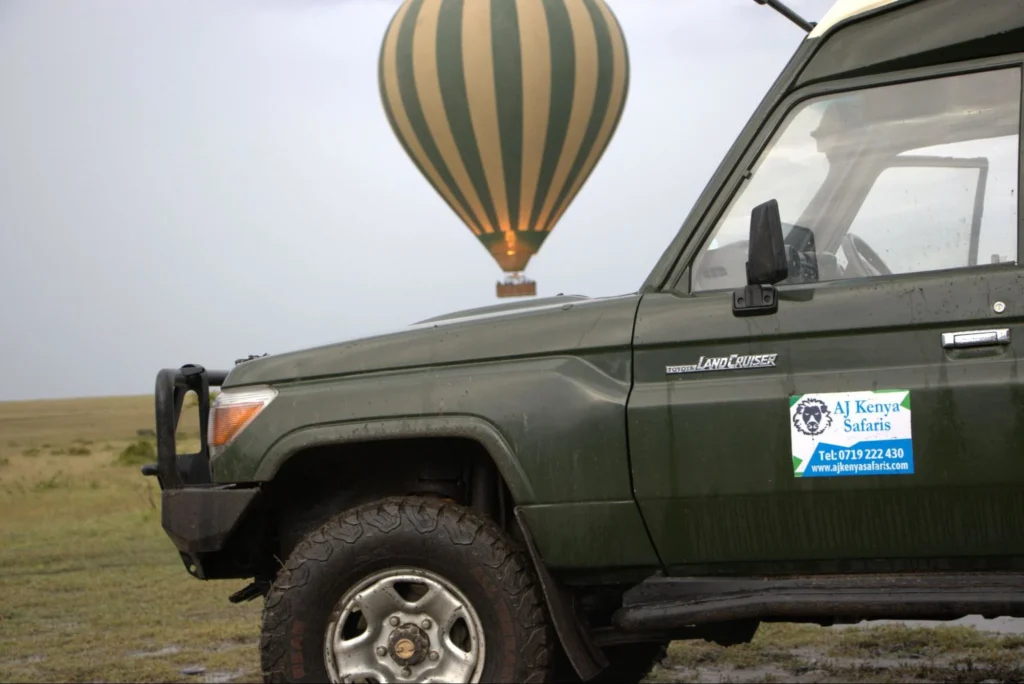
A 7 days Masai Mara and Zanzibar safari gives you three nights in the Mara and three on Zanzibar, linked by one long travel day. You drive to the Mara in your own Land Cruiser, spend two full days with the lions, cheetahs and, from July, the river crossings, then drive back to Nairobi and take an evening flight to the island. Zanzibar gives you a full day in Stone Town, a day for Mnemba Atoll or the beach, and a spice farm on the way home. For 2027 it costs from USD 2,510 or KES 223,000 per person sharing, including the vehicle, Mara tickets, both flights and both hotels.
7 Days Masai Mara Zanzibar Safari Costs (2027)
This is the 7-day version of our Masai Mara and Zanzibar safari. With four Mara nights and two nights inside Stone Town, see the 10-day version.
All rates are per person, based on two people sharing, and cover a private 4×4 Land Cruiser and guide for four days, including the drive back to Nairobi, three Mara tickets, the flight from Jomo Kenyatta International Airport to Zanzibar, the flight from Zanzibar back to Nairobi, island airport transfers and six nights of accommodation. Kenyan citizen prices are set separately, from citizen park fees and the rates hotels give East African guests, not converted from dollars.
International Visitors (USD)
| Tier | Lodges (Mara + Zanzibar) | Jan-June | July-Dec |
|---|---|---|---|
| Budget | Talek Bush Camp + Amaan Bungalows | 2,510 | 3,090 |
| Mid-Range | Ashnil Mara Camp + Turaco Nungwi Resort | 3,140 | 3,970 |
| Luxury | Elewana Sand River + Zuri Zanzibar | 4,640 | 6,180 |
Kenyan Citizens (KES)
| Tier | Lodges (Mara + Zanzibar) | Jan-June | July-Dec |
|---|---|---|---|
| Budget | Talek Bush Camp + Amaan Bungalows | 223,000 | 244,000 |
| Mid-Range | Ashnil Mara Camp + Turaco Nungwi Resort | 275,000 | 318,000 |
| Luxury | Elewana Sand River + Zuri Zanzibar | 401,000 | 500,000 |
Residents of Kenya on a permit pay Mara fees between the two tables. Tell us, and we will quote on resident rates.
Meals. Full board in the Mara, with packed lunches on the full days. All three island hotels are on half board, so lunch is free for you to try a Zanzibari curry in Stone Town or grilled fish on the beach.
Flying home from Zanzibar. Plenty of long-haul carriers serve Zanzibar directly. When your return ticket begins on the island, we remove the Zanzibar to Nairobi flight from your quote.
Why July costs more. The Mara fee doubles from July, and both the camps and the beach hotels move to peak rates for the migration months and the Christmas holidays.
What Is Covered in the Price?
- Vehicle: A private 4×4 Land Cruiser with a pop-up roof for four days: the drive in, two full days in the reserve and the drive back to Nairobi. Fuel included.
- Guide: A TRA-licensed guide from your Nairobi hotel on Day 1 to Jomo Kenyatta International Airport on Day 4.
- Park Fees: Three Mara tickets, paid to Narok County Government through its own ticketing system. You leave the reserve before the 10 AM exit time on Day 4, so no fourth ticket is needed.
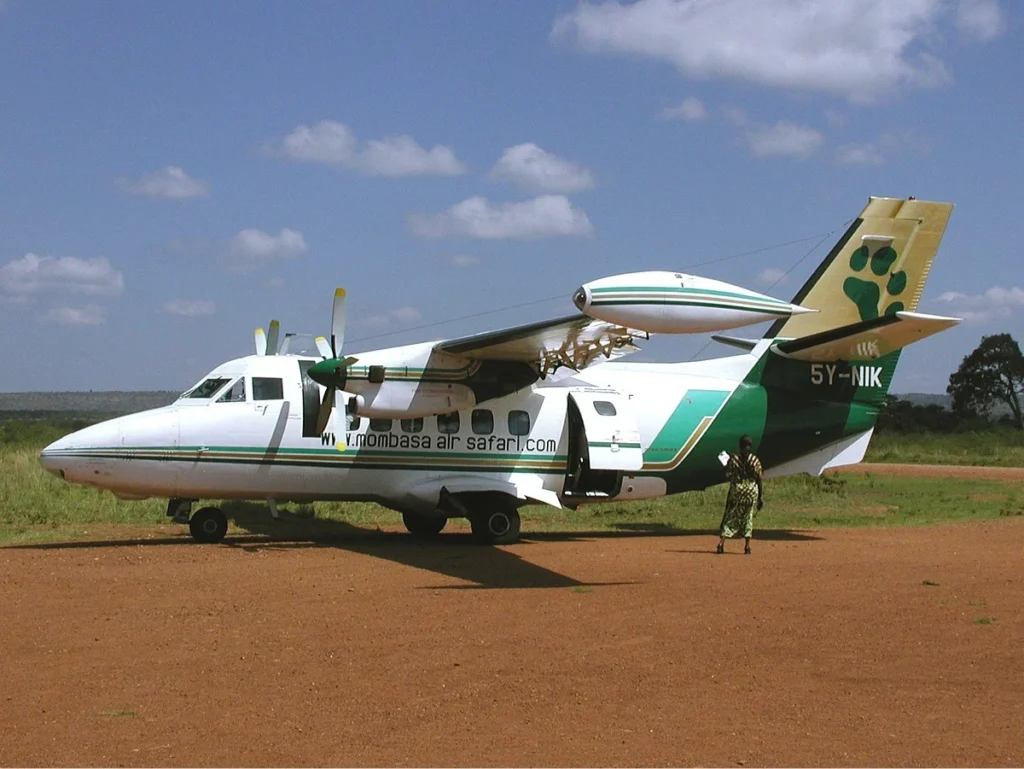
- Flights: Jomo Kenyatta International Airport to Zanzibar on Day 4, and Zanzibar to Nairobi on Day 7.
- Transfers: Zanzibar airport to your hotel and back, with a private driver.
- Accommodation: Three nights full board in the Mara and three nights half board on Zanzibar.
- Excluded: Tips (USD 15 to 20 / KES 2,000 to 2,500 per day), drinks, the optional hot air balloon (USD 500 / KES 58,500), a Maasai village visit (KES 1,500 for citizens / USD 20 for non-residents), Stone Town guides, Zanzibar excursions and entry tickets, Zanzibar’s hotel infrastructure tax, international flights, the Kenya eTA (USD 34), Kenya’s inbound travel health insurance (up to USD 44 per person), the Tanzania eVisa and the Zanzibar insurance policy.
In ten years of guiding, the question I hear most about this trip is whether seven days is enough for two countries. It is, if you accept that one day is for travel. You get two full days in the Mara, a full day in Stone Town and a day on the reef or the sand. What you give up is a slow day with nothing planned, and that is the one thing the 10-day trip adds back.
The 7-Day Itinerary
The 7-Day Itinerary
| Day | Where | Plan |
|---|---|---|
| 1 | Nairobi to the Mara | By road through the Rift Valley, first game drive |
| 2 | Masai Mara | Full day on the plains with a packed lunch |
| 3 | Masai Mara | Second full day, river or big cats |
| 4 | Mara to Zanzibar | By road to Nairobi, evening flight to the island |
| 5 | Stone Town | Market, Slave Market, Old Town, Forodhani |
| 6 | North coast | Mnemba Atoll or a beach day |
| 7 | Departure | Spice farm, afternoon flight to Nairobi |
Day 1: Nairobi To The Mara By Road
We leave Nairobi at 7 AM in your Land Cruiser, stop at the viewpoint over the Great Rift Valley and drive on through Narok. Budget guests stay at Talek Bush Camp, outside the reserve, so they have lunch in camp and enter at Talek Gate at about 4 PM for the evening drive. Ashnil Mara and Elewana Sand River are inside the reserve, so Mid-Range and Luxury guests go through Sekenani Gate at about 12:45 PM and game drive on the way to lunch at the lodge, then head out again before sunset.
Day 2: A Full Day In The Mara
We leave at first light with a packed lunch and come back at dusk. Between July and October, the hours around midday usually go to the Mara River crossing points. In the other months we look for lion prides and cheetahs on the open plains.
Day 3: The Second Full Day
Another dawn-to-dusk day, used for whatever Day 2 did not give you. That might be a leopard in the trees along the Talek River, a cheetah hunt, or another wait at the river.
Day 4: The Mara To Zanzibar
No game drive this morning. After an early breakfast we leave camp at about 7:30 AM, so Mid-Range and Luxury guests are out of the reserve before the 10 AM exit time. We drive back through Narok and up the escarpment, stop for lunch on the way, and take the Southern Bypass to Jomo Kenyatta International Airport, arriving in the afternoon. We book an evening flight to Zanzibar with time to spare. The flight takes about an hour and twenty minutes, and your driver on the island takes you up to your hotel on the north coast, about an hour and a half from the airport. You arrive late, so we ask the hotel to keep dinner for you. It is a long day, but you do it in your own vehicle and your luggage stays with you.
Day 5: Stone Town
A full day in the old town with a licensed guide, from the morning market to the Forodhani night market. The order we use is set out below in Your One Day in Stone Town. Your driver takes you in and brings you back, about an hour each way.
Day 6: Mnemba Atoll Or The Beach
Take a boat to Mnemba Atoll for snorkelling over the reef with turtles and reef fish, or stay at the hotel and do nothing at all. On the north coast you can swim at any tide, and the sunset is the best on the island.
Day 7: Spice Farm And The Flight Home
After breakfast, stop at a spice farm on the way to the airport to taste and smell cloves, nutmeg, cinnamon and vanilla where they grow. Then take the afternoon flight to Nairobi, in good time for an international flight after 9 PM. If you fly home straight from Zanzibar, we time the spice tour around your departure.
How to Spend Your Time in Zanzibar
| Choice | Activity Style | Best For |
|---|---|---|
| Mnemba Atoll | Snorkelling | Clear water, coral, green turtles and reef fish |
| Safari Blue | Dhow day in Menai Bay | Sandbanks, a mangrove lagoon and a seafood lunch |
| Beach day | Rest | Recovering after the early Mara mornings |
You land on Zanzibar on the evening of Day 4 and leave in the afternoon of Day 7. That gives you two full days and a morning.
Stone Town takes the first full day, and it is worth it. It is the reason to choose Zanzibar over a Kenyan beach. That leaves Day 6 for one of three things. Mnemba is the easy choice from the north coast, a short boat ride out. Safari Blue is a full-day dhow trip from Fumba in the southwest, more than an hour’s drive from Nungwi, so it fills the whole day and costs you your rest. A beach day suits guests who feel the three dawn starts in the Mara.
If you want Mnemba, Safari Blue and a quiet day on the same trip, the 10-day version gives you the time.
The Double Migration: July To October
Between July and October this trip can show you two great migrations in one week. In the Mara, the wildebeest and zebra herds gather on the Mara River and cross where the banks allow. Around Zanzibar, humpback whales come north into the warm channels to give birth and nurse their calves, and boats from the north coast go out to look for them. Plan the river for Days 2 and 3 and a whale trip for Day 6 in place of Mnemba. Neither the herds nor the whales keep a timetable, so treat both as a good chance rather than a promise.
Your One Day in Stone Town
Darajani Market, 8 AM. Start where Zanzibar does its shopping. The fish, fruit and spice stalls are busiest early, and the spices are cheaper and fresher here than in the curio shops.
The Old Slave Market, 9:30 AM. Five minutes’ walk away, the Anglican Cathedral stands on the site of one of the last open slave markets in the world, closed in 1873. The small museum and the underground holding cells tell the story plainly. Allow 45 minutes to an hour. Most guests find it the most moving hour of the trip.
Lunch at Lukmaan. A short walk from the cathedral, Lukmaan serves Zanzibari home cooking at local prices. Ask for the octopus or fish curry in coconut and a fresh juice.
The Old Town in the afternoon. Walk the lanes with your guide and look at the doors. Carved frames with flowing patterns and lines of script are Swahili and Omani. Doors studded with brass spikes come from the Indian tradition. Stop at the Freddie Mercury House on Kenyatta Road, and walk through the Old Fort, which is free to enter.
Jaws Corner, late afternoon. A small square where older men sit with tiny cups of kahawa tungu and play bao. There is no menu. Sit down, accept a coffee and watch.
Sunset at Africa House. The terrace of the Africa House Hotel looks straight out over the water. Arrive half an hour before sunset to get a seat.
Forodhani after dark. The waterfront gardens turn into a food market every evening. Try Zanzibar pizza, a stuffed and folded pancake, mishkaki skewers, urojo soup and sugarcane juice with ginger and lime. Choose the stalls with local families in the queue.
For a special evening, swap Africa House and Forodhani for a rooftop dinner in one of Stone Town’s old merchant houses, such as Emerson Spice. Book it a few days ahead.
What You Should Know About Zanzibar Before You Fly
| Requirement | What You Need |
|---|---|
| Kenya entry | eTA (USD 34, most non-African passports) and Kenya’s inbound health insurance (up to USD 44) |
| Tanzania entry | Tanzania eVisa (USD 50, or USD 100 for US citizens) |
| Zanzibar entry | Zanzibar insurance (USD 44 adults, USD 22 children) |
| Health | The original yellow fever card |
| Cash | Clean US dollar notes printed after 2013 |
| Bags | No single-use plastic carrier bags |
- Kenya’s Health Insurance Comes First. Since 5 October 2026, foreign visitors to Kenya, children included, must buy the government’s inbound travel health insurance on eCitizen. It costs up to USD 44 and covers up to USD 50,000 of treatment or evacuation while you are in Kenya. Kenyan citizens, permit-holding residents and East African Community nationals are exempt.
- Then Buy Zanzibar’s Separate Policy. Zanzibar requires its own insurance from the Zanzibar Insurance Corporation, bought online on the Visit Zanzibar portal before you land. The cost is USD 44 per adult and USD 22 per child. Neither Kenya’s policy nor your own travel insurance replaces it.
- The East Africa Tourist Visa Will Not Get You In. That visa covers Kenya, Uganda and Rwanda only. Zanzibar is part of Tanzania, so buy the Tanzania eVisa on the official portal before you travel.
- Keep The Yellow Card With Your Passport. Anyone landing on Zanzibar from Kenya can expect a health officer to ask for the yellow fever certificate. Bring the original, and have the injection at least 10 days before you fly.
- No Plastic Carrier Bags. Tanzania, Zanzibar included, bans single-use plastic bags. Duty-free and shopping bags can be taken from you on arrival, and you can be fined. Clear zip-lock bags for toiletries are allowed.
- Bring New Dollar Notes. Hotels and boat operators quote in US dollars and often refuse notes that are old, torn or marked. Bring clean notes printed after 2013, with plenty of small ones.
- Dress For Stone Town. Zanzibar is a conservative Muslim island. Cover shoulders and knees away from the hotel, and keep swimwear for the beach.
- Check The Dates For Ramadan. Ramadan in 2027 falls in roughly February and early March. Stone Town cafés close by day and the streets fill after sunset. Avoid eating or drinking in the street during daylight.
- Wear Reef Shoes On The East Coast. If you visit Paje or Jambiani, the reef flats at low tide hide sea urchins and well-camouflaged stonefish. Stiff-soled reef shoes are essential.
- Watch The Colobus At Jozani. If you visit Jozani Forest, ask your guide to show you the red colobus eating charcoal. Scientists think it helps them cope with toxins in the leaves they eat.
- Bargain Gently. In Stone Town curio shops, the first price leaves plenty of room. Start well below it and keep it friendly. Learn two words as well: “samahani” for excuse me, and “shikamoo”, the respectful greeting for an elder.
- Print Every Document. Both visas, both insurance certificates, the yellow card and your hotel confirmations. Airport Wi-Fi and phone signal fail just when you need them.
Packing for Two Countries
Because you drive to the Mara and back, there is no bush plane on this trip and no 15 kg soft-bag limit. The Nairobi to Zanzibar flights carry normal airline baggage, so a suitcase is fine. Check the allowance on your ticket, as it varies by airline and fare.
Pack for two very different places. Warm layers and a hat for early Mara mornings, neutral colours for the game drives, and binoculars. Light, modest clothes that cover shoulders and knees for Stone Town, plus swimwear, reef shoes, high-factor sunscreen and insect repellent for the island. Bring the yellow card and your printed documents in your hand luggage, and a cloth bag for shopping.
Frequently Asked Questions
How much does a 7 days Masai Mara and Zanzibar safari cost?
From USD 2,510 for international visitors or KES 223,000 for Kenyan citizens, per person sharing, on the Budget tier from January to June. Ashnil Mara with Turaco Nungwi starts at USD 3,140 / KES 275,000, and Elewana Sand River with Zuri Zanzibar at USD 4,640 / KES 401,000.
Why drive back to Nairobi instead of flying from the Mara?
The drive keeps your luggage with you, so there is no 15 kg limit, it lets you leave the reserve early and pay for one less Mara ticket, and it costs less than a bush flight. It does mean a long day, about six hours on the road before an evening flight to the island.
How is this different from the 10-day trip?
The 10-day trip adds a fourth Mara night, two nights sleeping inside Stone Town and an extra beach day. On seven days you visit Stone Town from the beach and choose one big outing on Day 6.
Do I need separate visas?
Yes. Most visitors from outside Africa need a Kenya eTA (USD 34), while most African passport holders are now exempt. Zanzibar needs a Tanzania eVisa (USD 50 for most nationalities, USD 100 for US citizens). The East Africa Tourist Visa does not cover Tanzania. On top of the visas, each country has its own insurance rule, and Zanzibar checks yellow fever cards on arrival.
What is the best month?
July to October for the river crossings and the humpback whales, with dry weather on the island. January and February for heat and calm, clear water. April and May bring the heaviest rain to Zanzibar, and some beach hotels close. For the Mara side, read our best time to visit guide.
Is a 4×4 mandatory?
Yes. One heavy shower turns the Mara’s black cotton soil to deep mud, and only a proper four-wheel drive gets through. Every safari we run uses a Land Cruiser.
Is this trip safe?
Yes. The Mara has ranger patrols, and your guide carries a radio all day. On Zanzibar, use your hotel’s drivers, walk Stone Town with a licensed guide and keep valuables out of sight on the beach after dark.
Is 7 Days Enough
Yes, if Stone Town and one day on the reef or the sand are what you want from the island. You get two full days in the Mara, the best of Stone Town and a spice farm on the way home. If you would like a lazy day as well, or a night inside Stone Town, the 10-day version is worth the extra days.
To stay in Kenya instead, compare the 7 days Masai Mara and Diani Beach safari and the 7 days Masai Mara and Mombasa safari.
Plan Your 7 Days Masai Mara And Zanzibar Safari
Send us your dates, the tier you like and where your international flight home leaves from. We will check the Zanzibar flights, hold your camp and hotel, and send an itemised 2027 quote, usually within a day.
Related Reading:
- Masai Mara and Zanzibar Safari
- 10 Days Masai Mara Zanzibar Safari
- 7 Days Masai Mara Mombasa Safari
- Ashnil Mara Camp
- Sekenani Gate
- Mara River Crossings
- Kenya Visa and eTA
- Best Time To Visit Masai Mara
Written by David Njunge, TRA-licensed safari guide with over 10 years in the Masai Mara. Edited by Cess Wambui, travel consultant, BSc Tourism and Hospitality Management. Verified for the 2027 season.
Welcome to Masaimara.co.ke
Thank you for visiting us! We're excited to help you plan an unforgettable safari adventure across Kenya.