
Birding Safari Masai Mara: The Honest 2026 Guide
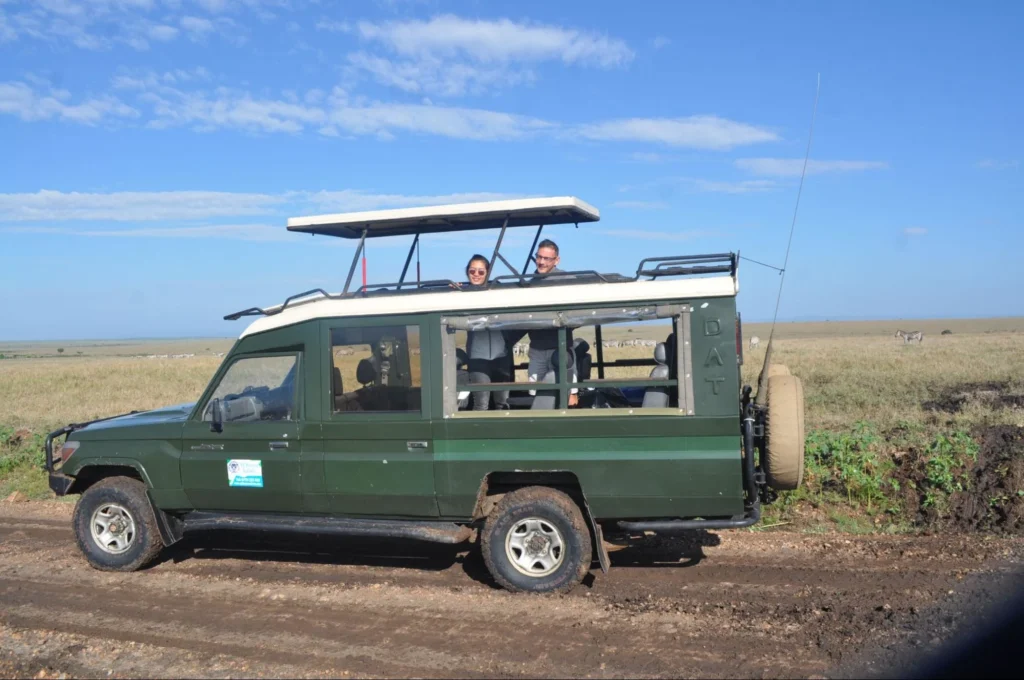
A Birding Safari Masai Mara for the 2026/2027 season costs between KES 350,000 ($2,690) and KES 1,280,000 ($9,845) per person sharing for a 6-day circuit covering the Rift Valley lakes and the Mara. The Mara ecosystem holds over 500 recorded species across four distinct habitats. November to April is the best birding season, when European and Asian migrants join the residents and breeding plumage is at its brightest. A birding-specialist guide and a private vehicle are both essential — standard game drive guides rush past the birds to find the cats.
Birding Safari Masai Mara Costs (2026/2027)
These are all-inclusive prices per person sharing, based on two birders in a private 4×4 Land Cruiser.
6-Day All-Inclusive Birding Circuit Rates (Per Person Sharing)
Package Tier | Birding-Friendly Camps | Regular (KES) | Peak (KES) |
Budget | Talek Bush / Fisherman’s Camp | KES 350,000 | KES 595,000 |
Mid-Range | Ashnil Mara / Zebra Plains | KES 495,000 | KES 780,000 |
Luxury | Mara Serena / The Cliff Nakuru | KES 795,000 | KES 1,150,000 |
Luxury Plus | Mara Plains / Angama Mara | KES 1,280,000 | KES 1,650,000 |
Book Now | Current Rates |
Note: November–April is the best birding season when migrants arrive. For a luxury safari birding upgrade, request a custom quote.
What’s Covered in the Price?
- Vehicle. Private 4×4 Safari Land Cruiser with roof hatches and side bean bags for optics.
- Guide. TRA-licensed ornithological specialist guide.
- Park Fees. All 2026 Mara fees paid at the gate (cash USD/KES, or card/M-Pesa). Pre-payment through KAPS office in Nairobi. For KWS parks (Nakuru, Naivasha), fees via eCitizen.
- Flights. Masai Mara flying packages one-way return flight to Nairobi.
- Meals. Full board, 3 meals daily. Bush breakfast boxes for early morning field time.
- Evacuation. AMREF Flying Doctors emergency air evacuation insurance.
Excluded. Kenya eTA (~$30), tips (KES 4,000/day for specialist guide), alcohol at camps, international flights.
Most visitors come to the Mara for ears in the grass. Birders come for the canopy, the marshes, and the escarpment cliffs. Kenya ranks 2nd in Africa with 1,100+ species, and the Mara ecosystem alone holds over 500. That makes it one of the richest single-park birding destinations on the continent. A dedicated birder on a 6-day circuit through the Rift Valley lakes and the Mara can realistically log 200–250 species.
The Mara is not one landscape. It’s four habitats layered together, and each produces completely different birds. This article covers all four, what to bring, and how birding works differently from a standard game drive.
The 6-Day Itinerary
Day 1: Nairobi to Lake Naivasha
3-hour drive. Afternoon boat tracking for Maccoa ducks, giant kingfishers, and African fish eagles. The lake’s freshwater ecosystem is a different world from the Mara savannah. Stay at Fisherman’s Camp.
Day 2: Naivasha to Lake Nakuru
2-hour drive. Focus on lesser flamingos, great white pelicans, and shorebirds. Nakuru was Africa’s first national park established primarily to protect birdlife. Stay at Lake Nakuru Lodge.
Day 3: Nakuru to Masai Mara
5-hour drive via the Siana corridor. Evening drive targeting secretary birds and southern ground hornbills on the open grasslands. Your Mara park ticket runs on a strict 12-hour calendar day (6 AM – 6 PM). Stay at Zebra Plains.
Day 4–5: Mara Woodland, Marsh, and Escarpment
Two full days splitting between Musiara riverine forests, the marsh, and the Oloololo Escarpment. The marsh is the single best birding spot in the Mara. The escarpment at sunset is the best raptor viewpoint. If your camp has conservancy access, one morning walking safari for small birds at eye level. Evening night drive for owls.
Day 5 Evening: Camp Perimeter Birding
Some of the best riverine birding happens within 50 metres of your tent. Governors’ Camp records Ross’s turaco, Schalow’s turaco, narina trogon, black-and-white casqued hornbill, and violet-backed starling within the campgrounds. Spend 30 minutes with binoculars before dinner.
Day 6: Departure
Sunrise bird walk near camp. Exit by 10 AM to avoid an extra day’s park fee. Fly back to Nairobi via Masai Mara flying packages.

The Four Birding Habitats
If you want a serious species count, your itinerary needs to cover all four. A Masai Mara booking that stays on the open grasslands the whole time will miss half the birds.
Open grasslands. Secretary bird, kori bustard, common ostrich, crowned lapwing, rufous-naped lark. In the dry season, red-billed quelea flocks of millions swirl across the sky in coordinated waves — as dramatic as any wildebeest migration crossing.
Riverine forest along the Mara and Talek rivers. Ross’s and Schalow’s turacos, seven species of kingfisher (from giant to pygmy), African fish eagles, narina trogon, and the rare Pel’s fishing owl. Rekero Camp on the Talek River is specifically praised for birding directly from the guest deck. Drive slowly along the riverbank at walking pace — most game vehicles race through these stretches.
Marshlands. Musiara Marsh is the single best birding spot in the reserve. It’s the only place in Kenya where the rufous-bellied heron breeds regularly. The endangered Madagascar squacco heron appears between October and May. Goliath herons, lesser jacanas, and multiple kingfisher species concentrate here. Ask your guide to spend a full morning at Musiara.
Rocky escarpments. The Oloololo Escarpment is a raptor haven. Over 55 raptor species are recorded in the Mara — martial eagle, bateleur, Verreaux’s eagle, augur buzzard, six species of vulture, pygmy falcon. A sunset drive here lets you watch eagles riding the thermals while you enjoy a cold drink.
Bird Species in the Masai Mara
Specialty Avian Species | Unique Field Behavior | Preferred Tracking Zone |
Usambiro Barbet | Ecosystem endemic; key baseline lister target. | Whistling thorn scrub and low bushes. |
Jackson’s Widowbird | Vertical jumping display in full breeding plumage. | Knee-high grasses along Musiara Marsh. |
Greater Honeyguide | Active chattering to lead humans to bee hives. | Open riverine woodland and canopy edges. |
Pel’s Fishing Owl | Rare, elusive nocturnal predator tracking. | Dense shaded branches overhanging rivers. |
The Usambiro barbet is endemic to the Mara-Serengeti ecosystem. You won’t find it anywhere else in the world. Look for it in low whistling thorn bushes. For serious listers, this single species justifies the trip.
Jackson’s Widowbird during the wet season is one of Africa’s most unusual avian displays. The male transforms from a drab brown finch into a pitch-black dancer with a 20 cm tail. He clears a circular patch of grass and jumps vertically up to one metre. Maasai guides point out the similarity between this display and the Adumu (Maasai jumping dance). Look for them at Musiara Marsh and the Talek plains where the grass is knee-high.
The Greater Honeyguide is famous for leading humans to bee hives. When one starts its persistent chatter call near you, the Maasai tracker whistles and knocks on trees with his walking staff. This signals to the bird that the human partner is ready to follow. Never use recorded bird-call playback for honeyguides — it confuses their guiding instinct.
How a Birding Safari Works
A standard game drive races between big cat sightings at 30 km/h. A birding drive crawls at 10 km/h along riverbanks, stops for every call, and spends 20 minutes at a single tree. This requires a private vehicle and a guide who understands birding pace. On a group tour, your vehicle mates will get frustrated if you want to sit at a bush for 45 minutes to identify a warbler.
Request a birding-specialist guide when you book. A standard guide focuses on the Big Five. A birding guide identifies species by call, knows where the Pel’s fishing owl roosts, and positions the vehicle for canopy viewing instead of grassland scanning. Camps with strong ornithological guides include Governors’ Camp, Encounter Mara, and Rekero.
Walking safaris in the conservancies are the best format for small birds. From a vehicle, you drive past cisticolas and warblers before you can identify them. On foot, you’re at eye level. The guide stops, identifies by call, and points. Walking is only available in the conservancies (Naboisho, Mara North, Olare Motorogi).
Oxpecker differentiation helps you find mammals too. The yellow-billed oxpecker almost exclusively follows buffalo and rhinos. If you see one flying low, search the thickets for the heavyweights. Red-billed oxpeckers are generalists and settle for zebras and impalas.
The Crowned Lapwing is your predator radar. If one begins a “broken-wing” display (staggering as if injured), it’s leading you away from a camouflaged nest on the ground. But if it screams while flying away in a straight line, it’s signalling a predator — leopard or cheetah — hidden in the grass nearby.
What to Bring
Binoculars. 8×42 rather than 10×42 for the Mara. The wider field of view is better for tracking fast canopy movements, especially in the flat overcast light of the wet season.
Field guide. Birds of East Africa by Stevenson & Fanshawe is the standard. Your guide may not know every cisticola or warbler by sight. The book lets you cross-reference and build your checklist.
eBird app. Check “Live” hotspots using the lodge Wi-Fi to verify 24-hour rare bird alerts for the Mara region.
Camera. A 100–400mm zoom on a bean bag works for most birding shots. Pack a 15 kg soft duffel, not a hard case — bush plane baggage pods don’t accept rigid cases.
Clothing. Dark green or olive, not bright khaki. In the wet season, light khaki stands out against the green vegetation. Darker tones help you blend into the riverine forest.
Advice for Birders
Birding Travel Vector | Actionable Field Command Rule |
Optics Configuration | Prefer 8×42 over 10×42 binoculars for wider field-of-view tracking in thick forest canopies. |
Digital Field Logging | Use the eBird app over local Wi-Fi to sync 24-hour rare bird alerts for the Mara region. |
Camera Exposure Fixes | Set exposure compensation to +0.7 or +1.3 EV under overcast skies to avoid underexposed frames. |
Baggage Compliance | Pack an internal 15 kg soft duffel bag exclusively; rigid hard cases will not fit bush plane pods. |
Textural Camouflage | Wear dark olive or forest green tones to seamlessly blend into dense riverine foliage. |
- November to April is the best birding season. Palearctic migrants join the residents. Breeding plumage is brightest. Courtship displays and nesting are underway. A birder visiting in December will log more species in a day than one visiting in August.
- Ask your guide to spend a full morning at Musiara Marsh rather than driving through on the way to a lion sighting. See the Habitats section for why.
- Request a bush breakfast box instead of the lodge buffet. It lets you stay in the field until 10 AM, which is when the endangered Madagascar squacco heron is actively feeding at Musiara.
- In the May overcast, set exposure compensation to +0.7 to +1.3 EV so your bird frames don’t underexpose against bright clouds.
- The grey go-away bird’s call tells you what’s happening. A short repetitive rattle means it’s spotted a predator. A long drawn-out call means it’s just annoyed by your vehicle.
- Siana Gate has faster ticket processing than Sekenani or Talek.
- Exit by 10 AM on your departure day to avoid an extra day’s park fee.
- Masai Mara booking operator check: verify your operator on KATO. See the “How a Birding Safari Works” section about requesting an ornithological specialist guide.
Frequently Asked Questions
How many species can I see?
Over 500 are recorded in the Mara. On a 6-day circuit, 200–250 is realistic. See our Masai Mara packages page.
What is the best month?
November to April. See Tip #1 above. Check our best time to visit Masai Mara guide.
Is a private vehicle necessary?
Yes. See the “How a Birding Safari Works” section above. Every private safari we run uses a dedicated 4×4.
Can I combine birding with a standard safari?
Yes. The migration and the Big Five are still there. A birding guide finds the mammals too — they just also stop for the birds. A 6-day trip gives you time for both.
What Birding in the Mara Sounds Like
Most people come to the Mara for what they can see, but birders come for what they can hear. The croaking of a Schalow’s turaco in a riverine fig tree at dawn. The piercing cry of an African fish eagle over the Mara River. The persistent chatter of a honeyguide trying to lead you somewhere. The silence that falls when a martial eagle drops out of the thermals over the escarpment. After a few days, the Mara stops being a landscape you look at and becomes a soundscape you listen to. That’s when the birding gets good.
If you want a shorter trip, see our 3 days Masai Mara safari or 4 days Masai Mara safari. Want a longer circuit? See the 5 days Masai Mara safari or the Masai Mara Amboseli Nakuru Safari. Want to add Amboseli? See the 6 days Masai Mara Amboseli safari. Browse everything on our Masai Mara packages page.
Ready to start? Fill out our booking form at Masaimara.co.ke below here and I’ll match you with our strongest birding guide.
This guide was authored by David Njunge, a TRA-licensed safari guide with over 10 years of experience, and edited by Cecilia Wambui, a travel consultant with a degree in Tourism and Hospitality Management.
Related Reading:
- Photography Safari Masai Mara
- Walking Safari Masai Mara
- Private Safari Masai Mara
- All Inclusive Masai Mara Safari
- Masai Mara Amboseli Nakuru Safari
- 6 Days Masai Mara Amboseli Safari
- 5 Days Masai Mara Safari
- 4 Days Masai Mara Safari
- 3 Days Masai Mara Safari
- Luxury Safari Masai Mara
- Masai Mara Packages
- Masai Mara Flying Packages
- Masai Mara Migration
- Masai Mara Booking
- Wildebeest Migration Kenya
- Masai Mara Entrance Gates
- Official KWS Park Fee Portal
- Kenya Wildlife Service
Welcome to Masaimara.co.ke
Thank you for visiting us! We're excited to help you plan an unforgettable safari adventure across Kenya.