
5 Days Masai Mara and Tsavo Safari: 2027 Express Route
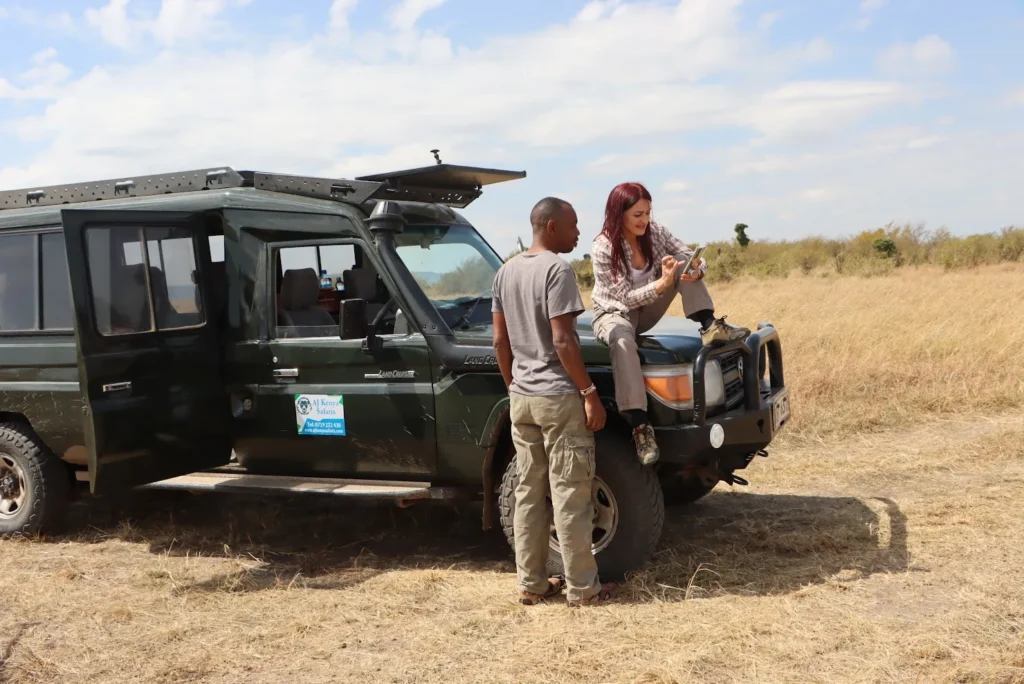
David Njunge, TRA-Licensed Guide | Verified for 2027
5 Days Masai Mara and Tsavo Safari: 2 nights in the Mara, 1 in Tsavo West and 1 in Tsavo East, with a bush flight between the two parks. Non-residents pay USD 2,790 to USD 4,530. Kenyan citizens pay KES 246,000 to KES 357,000. You will see the Big Five in the Mara, red elephants and volcanic landscapes in Tsavo, but you will not have buffer days if weather delays a flight or the animals are not cooperating.
What This Guide Covers
Five days for the Mara and Tsavo is tight. I will not pretend otherwise. These parks are in opposite directions from Nairobi. There is no direct road between them. You either fly across or spend a full day driving through the city. If you want more time to explore without rushing between ecosystems, view our perfectly paced 6-day itinerary or our relaxed 7-day comfortable route.
That said, I run this trip at Masaimara.co.ke for clients who have limited time but want both experiences. It works. You just need to understand what you are giving up.
What It Costs – Private Tour Price

| What You Get (The Gains) | What You Lose (The Sacrifices) |
|---|---|
| Big Five density (Masai Mara) | Zero buffer days for weather or flight delays |
| Volcanic red wilderness (Tsavo) | Few second chances to track missed sightings |
| 7 game drives across three parks | Relaxed pacing (expect a fast, busy schedule) |
Per person, two sharing. The bush flight from the Mara to Tsavo West is included in every price. Kenyan prices are worked out on citizen park fees and resident lodge rates, so they are not the dollar price converted.
Non-Residents (USD), 4 Nights: 2 Mara + 1 Tsavo West + 1 Tsavo East
| Tier | Lodges | Jan-June | July-Dec |
|---|---|---|---|
| Budget | Jambo Mara, Ngulia Safari Lodge, Voi Safari Lodge | 2,790 | 3,220 |
| Mid-Range | Sentrim Mara, Kilaguni Serena, Ashnil Aruba | 3,040 | 3,580 |
| Luxury | Mara Serena, Kilaguni Serena, Satao Camp | 3,630 | 4,530 |
Kenyan Citizens (KES), 4 Nights
| Tier | Lodges | Jan-June | July-Dec |
|---|---|---|---|
| Budget | Jambo Mara, Ngulia Safari Lodge, Voi Safari Lodge | 246,000 | 262,000 |
| Mid-Range | Sentrim Mara, Kilaguni Serena, Ashnil Aruba | 263,000 | 286,000 |
| Luxury | Mara Serena, Kilaguni Serena, Satao Camp | 310,000 | 357,000 |
Foreign nationals living in Kenya or East Africa on a work or residence permit pay resident park fees, which sit between the two tables. Tell us when you book and we will quote you on resident rates.
What Is Included
- Bush flight from the Masai Mara to Tsavo West
- Private 4×4 Land Cruiser with pop-up roof for all game drives and road transfers
- Two English-speaking driver-guides, one for the Mara and one for Tsavo
- Fuel for all transfers and game drives
- Full board accommodation (all meals)
- Masai Mara park fees (2 calendar days, Days 1 and 2)
- Tsavo West (1 × 24-hour ticket) and Tsavo East (1 × 24-hour ticket)
- Mzima Springs and its underwater hippo tank, covered by the Tsavo West ticket
- Bottled drinking water during drives
- AMREF Flying Doctors emergency evacuation cover
- Hotel or airport pickup in Nairobi and drop-off on Day 5
What Is Not Included
- Tips for your driver-guides (USD 15 to 20 / KES 2,000 to 2,500 per day)
- Tips for lodge staff
- Alcoholic and soft drinks
- Travel insurance (required)
- Kenya eTA at USD 34 (apply at etakenya.go.ke)
- Personal expenses: laundry, souvenirs
- Hot air balloon in the Mara: USD 500 (KES 58,500)
- Maasai village visit: KES 1,500 for citizens / USD 20 for non-residents
- Solo traveller supplement – reach us to get a quote
2027 Park Fees
The Mara and Tsavo are run by different authorities, and their tickets do not work the same way. Every ticket on this itinerary is already in your price.
| Park & Ticket | Non-Resident Adult | Citizen / Resident Adult |
|---|---|---|
| Masai Mara National Reserve (Narok County). Calendar day, 6 AM to 6 PM. | USD 100 Jan-June, USD 200 July-Dec. Child (9 to 17) USD 50, under 9 free. | Citizen KES 1,500 / 3,000, child KES 300 / 500. Resident KES 2,500 / 4,500, child KES 1,250 / 2,500. |
| Tsavo West National Park (KWS). 24 hours from entry. | USD 80, child USD 40 | Citizen KES 1,000, child KES 500. Resident KES 1,350, child KES 675. |
| Tsavo East National Park (KWS). 24 hours from entry. | USD 80, child USD 40 | Citizen KES 1,000, child KES 500. Resident KES 1,350, child KES 675. |
A Mara ticket is a calendar-day ticket. Enter at 4 PM and it still runs out at 6 PM that evening. You pay for Days 1 and 2. On Day 3, guests at camps outside the reserve get a 2-hour transit ticket at the gate to reach the airstrip, at no extra fee. A Tsavo ticket runs on a rolling 24-hour clock. You land in Tsavo West at 12:30 PM on Day 3, so that ticket carries you through the Day 4 morning drive. You enter Tsavo East around midday on Day 4, so that ticket covers the Day 5 morning drive before you leave. One ticket per Tsavo park is all you need. The full Mara rate card is on our park fee page.
The Trade-Off
With 7 or 8 days, this combination is comfortable. With 5, you are making every hour count.
Here is what you get: three game drives in the Mara (the Day 1 afternoon and a full Day 2), two in Tsavo West and two in Tsavo East. Seven game drives in all, across three different parks.
Here is what you do not get: time to follow up on sightings. If you spot a leopard in a tree on the Day 2 evening drive but the light is bad, you cannot go back next morning. You are flying out. If the Tsavo East elephants are at the far end of the park on Day 4, you get one more crack at them on the morning of Day 5 before you leave.
For first-time safari visitors, I usually recommend either the Mara alone for 5 days (more relaxed) or this combo knowing it is fast-paced. Both are valid choices.
How It Works

| Transfer Method | Travel Time | Expert Verdict / Impact |
|---|---|---|
| Direct Bush Flight, Mara to Tsavo West | 11:30 AM to 12:30 PM, Mara to Kilaguni | Our route. You lose no game viewing at all. |
| Fly to Wilson, then drive | 45-minute flight plus a 4-hour drive | Works, but costs you the Tsavo afternoon. |
| Full Road Drive | 10+ hours via Nairobi | Not recommended. Heavy traffic and exhausted travelers. |
The only 5-day schedule that makes sense flies out of the Mara.
Day 1: Nairobi to the Mara by road, afternoon game drive. Day 2: full day in the Mara. Day 3: fly to Tsavo West, afternoon game drive. Day 4: morning drive in Tsavo West, afternoon drive in Tsavo East. Day 5: early morning drive in Tsavo East, then the road to Nairobi.
The key is Day 3. A Mombasa Air Safari flight takes you straight from a Mara airstrip to Tsavo West, so you are in a new park by lunch. Your Tsavo guide is waiting on the strip.
You also have two guides on this trip. Your Mara guide drives you in from Nairobi and works the Mara with you. Your Tsavo guide meets you off the plane and drives you home. A guide who works Tsavo every week knows where the lions sit along the Pipeline. A Mara guide knows the Mara radio network. Neither is a visitor in his own park.
Without the flight, this trip does not work. Driving from the Mara to Tsavo via Nairobi is 10+ hours. I tried it once. Left the Mara at 6 AM, hit traffic on the Nairobi bypass around noon, reached Tsavo almost 8 PM. The clients were wrecked. Never again.
Day By Day
Day 1: Nairobi To Masai Mara, Afternoon Game Drive
Leave early. If you need particular sunblocks or specialty items, stock up at The Hub in Karen before you go. For snacks, water and the basics, the Naivas supermarket in Narok is fine and priced like any town supermarket. Skip the curio shops on the main road, which are where the tourist mark-ups are.
The drive is 5 to 6 hours via Narok to Sekenani Gate.
Gate choice matters when you only have 2 nights. Sekenani is paved and fast, but Talek Gate puts you closer to the big cat action immediately. If your lodge is near Talek or Musiara, you start seeing lions within minutes. Ask your operator about this.
Afternoon drive. The Mara in late afternoon light is when the cats start moving. Lions coming off their midday sleep. Cheetahs scanning for evening hunts.
One thing about Mara timing. Every visitor pays for a full calendar-day ticket, valid from 6 AM to 6 PM on the date you enter. There is no cheaper afternoon ticket for game drives, whatever anyone at the roadside tells you. The only transit ticket is the short one on your last morning, to get you to the airstrip. Your Day 1 ticket is already in your price, even though you only use the afternoon.
Day 2: Full Day In The Masai Mara
Up early. 6 AM game drive. Dawn is when you see kills, and when the light is best for photography.
Take a picnic lunch and stay out. This is your one full day in the reserve, so we use it. If you are here July to October, head for the Mara River and the crossing points. Out of season, work the Talek area for leopards and the open plains for cheetah. Back at camp by 6:30 PM.
If you want a balloon flight, this is the only morning you can do it. 5 AM pickup, champagne breakfast, USD 500 (KES 58,500), and your guide meets you at the landing site to carry on the day.
Day 3: Fly To Tsavo West, Afternoon Game Drive
No game drive this morning. Breakfast, check out, and your Mara guide takes you to the airstrip. The strip is inside the reserve. If your camp is outside, the gate issues a 2-hour transit ticket for the drive to the strip, with no extra fee. It is a straight run with the roof closed, not a game drive, though you will still see animals on the way.
The Mombasa Air Safari flight leaves the Mara at 11:30 AM and lands at Kilaguni airstrip in Tsavo West at 12:30 PM. It crosses the whole of southern Kenya. On a clear day you see the Rift Valley fall away, then the dry plains toward Kilimanjaro. Your Tsavo guide is waiting on the strip.
Pack Soft, Under 15 kg, For All 5 Days
The flight allows 15 kg (33 lbs) per person, hand luggage included, in a soft-sided duffel bag. Hard roller suitcases do not fit into the cargo pod of a light aircraft and will be turned away at the Mara airstrip. On this trip you do not pass back through Nairobi before the flight, so there is no chance to drop a big suitcase at a hotel halfway. Pack soft for the whole trip from day one. Weigh your bag at home, because camera gear adds up faster than people expect.
Lunch at your lodge, then out for the afternoon drive.
The red elephants. The first time I saw them I thought something was wrong. They look like they are covered in rust. It is the soil. Tsavo sits on old volcanic rock, and the ground is rich in iron oxide, the same thing that makes rust red. Elephants spray it over themselves and roll in it on purpose. The dust layer works as sunscreen and keeps biting insects and parasites off their skin. Wash a Tsavo elephant and it is as grey as any Mara elephant. If you see one dusting, stay downwind. That silt gets in your camera instantly.
Ask your guide about Roaring Rocks for a sundowner. It is a volcanic outcrop with a short steep climb that most tourists skip. The wind comes through the rocks and makes an eerie howling sound, which is where the name comes from. Best 360-degree view of the Chyulu Hills. Bring a drink and watch the sunset from up there.
Day 4: Tsavo West Morning, Tsavo East Afternoon
Mzima Springs early, 8 AM if possible. There is an underwater glass tank where you watch hippos from below. By midday the water gets murky from hippo movement. Morning is the only time you get that clear view of hippos walking on the spring bottom. There is no separate fee. Your Tsavo West ticket covers the springs and the tank.
On the way out, Shetani lava flow and Chaimu Crater if there is time (wear thick-soled boots, because volcanic rock shreds sandals). Tsavo West is more scenic than East, but the denser bush makes spotting harder.
Then out through Tsavo Gate and into Tsavo East at Manyani Gate, about two hours. Lunch at your lodge.
Tsavo East is flatter, more open. The Galana River runs through it. Better visibility for wildlife. On the afternoon drive, start at Mudanda Rock, a long slab of rock with a pool at its base that pulls in elephants by the dozen in the dry months, then work toward Aruba Dam for the evening.
Even if you are not staying at Voi Safari Lodge, pay the small fee to use their underground photo hide. A tunnel leads to a bunker at eye level with the waterhole. You can see the red mud in the elephants’ toenails from three feet away. One of the few places in Kenya where you are that close safely.
Tsavo’s Dry-Country Antelopes
Two antelopes here tell you straight away that you are not in the Mara. The fringe-eared oryx has black tufts hanging from the tips of its ears. There are no oryx of any kind on the open Mara plains. The lesser kudu is grey-brown with thin white stripes down its sides and, on the males, long spiral horns. Tsavo is one of the best places in East Africa to see one, usually as a shy shape slipping into thick bush. You will never find one in the Mara.
Day 5: Early Morning Game Drive And Transfer To Nairobi
Breakfast early, check out, and we are on the road in the park by about 6:30 AM. Last chance for the red elephants and the maneless lions.
About the lions. Tsavo males often have sparse manes or none at all. They are harder to find than Mara lions because they do not follow vehicle convoys. Your guide should check near baobab trees and along the Pipeline, the old water pipe running through the park. It has small leaks that create mini-oases. Predators know this and wait there, especially in the dry season. It is the closest thing Tsavo has to a reliable lion spot.
At around 9:30 AM we finish the drive and start the transfer. About 5 to 6 hours back to Nairobi, arriving mid to late afternoon. Or about 4 hours to Diani if you are heading to the coast. See our Masai Mara and Diani Beach safari for that version.
Tsavo Gear Problems

Tsavo Hazard | The Specific Threat | Expert Safe Fix |
Alkaline Red Dust | Jams camera zoom lenses & irritates eyes | Wrap gear in a shemagh scarf; pack premium eye drops |
Aggressive Tsetse Flies | Painful bites in thickets; attracted to dark blue/navy | Wear strictly khaki or stone colors; carry a Stingo pen |
Sharp Volcanic Rock | Instantly shreds sandals and light sneakers | Wear thick-soled hiking boots for Shetani Caves & craters |
Two things wreck equipment here more than in other parks.
The dust. Tsavo’s red dust is fine and sticky. Unlike Mara dust, it clings to lens sensors and jams mechanisms. Bring a lens pen. Do not change lenses while the vehicle is moving, because the dry air carries static that pulls dust into your camera body. Wrap your camera in a shemagh between shots.
Tsetse flies. Tsavo’s thickets have aggressive ones. They are attracted to dark blue and black, so if you wear a navy shirt, you are a target. Stick to khaki or stone colors. If you get bitten, there is a local ammonia-based pen called Stingo that helps with the sting. Most lodges have it, but bring your own to be safe.
Bring eye drops too. The dust irritates more than other parks. More in our packing list.
Would I Recommend This?
Depends on you.
If you have done the Mara before and have exactly 5 days, adding Tsavo makes sense. You get the contrast: green savanna versus red volcanic wilderness. Different animals. Different feel.
If this is your first safari and you have 5 days, I would probably suggest staying in the Mara the whole time. More game drives, less rushing, better odds of seeing everything without stress. Our first-time safari guide helps you decide.
If you have 6 or 7 days, the Mara and Tsavo combination becomes comfortable instead of tight. That extra day makes a real difference. See our 6 days and 7 days versions.
Best Time To Visit
| Season | Masai Mara (Highland Savanna) | Tsavo East & West (Lowlands) | How To Play It |
|---|---|---|---|
| January to March (dry and warm) | Short grass, prime cat viewing, smooth flying weather. | Hot, 32 to 36°C. Waterholes dry up, drawing red elephants to Mzima Springs and Mudanda Rock. | The best overall wildlife concentration across all three parks. |
| April and May (long rains) | Heavy showers. Black cotton soil needs expert 4×4 handling. | The dust settles and the bush turns green, but thick cover hides animals. | For budget travelers. The lowest lodge rates and fewer vehicles at sightings. |
| July to October (peak season) | Great Migration river crossings and peak predator activity. | Dry, windy and cooler. Big elephant herds along the Galana River and at Aruba Dam. | The prime photography window. Book 6 to 9 months ahead. |
| November and December (short rains) | Green plains, newborn foals and calves, clear light. | Short afternoon showers, migrant birds from Europe, green bush. | Good shoulder-season value outside the Christmas and New Year peak. |
The Mara sits high and cool, Tsavo low and hot, so you feel the difference the moment you step off the plane at Kilaguni. Pack a fleece for the Mara mornings and your lightest clothes for Tsavo. Month by month detail is in our best time to visit guide.
Questions
How many game drives do you get?
Seven. Three in the Mara (the Day 1 afternoon and both drives on Day 2), two in Tsavo West (Day 3 afternoon and Day 4 morning) and two in Tsavo East (Day 4 afternoon and Day 5 morning).
Is 5 days enough for both parks?
Enough to see both, yes. Enough to relax and follow up on sightings, no. You are moving fast the whole time.
Can you do Masai Mara and Tsavo in 5 days without flying?
Not realistically. By road, the Mara to Tsavo leg goes through Nairobi and takes 10 hours or more. You would lose a full day of game drives and arrive too tired to enjoy the next one. The flight is already in our price.
Why are Tsavo elephants red?
They are not. They are grey elephants covered in red, iron-rich volcanic dust. They spray and roll in it to protect their skin from sun and insects, so the color of the soil becomes the color of the elephant.
Do you need separate tickets for Tsavo East and Tsavo West?
Yes. They are two separate national parks, and each has its own 24-hour KWS ticket. On this trip you need one of each, and both are in your price.
What wildlife will I see?
Mara: lions, elephants, buffalo, maybe leopards. Migration crossings if you are here July to October. Tsavo: red elephants, maneless lions, fringe-eared oryx, lesser kudu. Fewer animals per hour, but a much bigger wilderness feeling.
Best time?
July to October overlaps the dry season in both parks. Migration in the Mara, animals at the waterholes in Tsavo. The season table above covers the whole year.
Can I end at the coast instead of Nairobi?
Yes. From Tsavo East it is about 4 hours to Diani. A good option if you want beach time after.
Is this a private safari?
Yes, this is a 100% private safari. You will have your own dedicated 4×4 Land Cruiser and professional driver-guide, and you will never share a vehicle with strangers.
Related
- 6 Days Masai Mara and Tsavo Safari
- 7 Days Masai Mara and Tsavo Safari
- 5 Days Masai Mara Safari
- Masai Mara Flying Packages
- Budget Masai Mara Safari
Park fees change. Check Narok County for the Masai Mara and KWS eCitizen for Tsavo East and Tsavo West.
Written by David Njunge, TRA-licensed safari guide with over 10 years in the Masai Mara. Edited by Cess Wambui, travel consultant, BSc Tourism and Hospitality Management. Verified for the 2027 season.
Welcome to Masaimara.co.ke
Thank you for visiting us! We're excited to help you plan an unforgettable safari adventure across Kenya.