
7 Days Masai Mara Samburu Safari – Finally, Enough Time
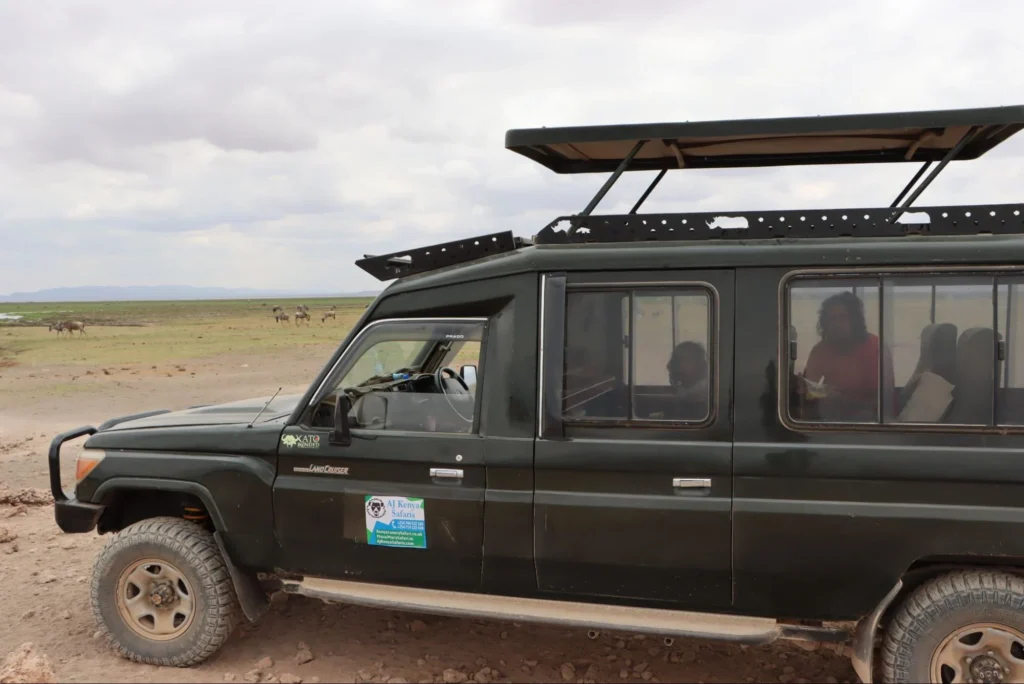
7 Days Masai Mara Samburu Safari: Three nights each in Samburu and the Mara with 11-13 game drives. Non-residents pay USD 2,380 to USD 5,410 driving, USD 2,940 to USD 5,970 flying. Kenyan residents pay KES 309,000 to KES 703,000 driving. You get the Special Five in Samburu, the Big Five in the Mara, and enough buffer days that missing one sighting doesn’t ruin the trip.
What This Guide Covers
Written by David Njunge, who has led over 200 safaris through Kenya’s Northern Circuit and the Mara. Seven days is the duration he recommends when clients want both parks without rushing.
7 Days Masai Mara Samburu Safari is where this trip stops feeling like a race. Three nights in each park. Time to follow up on sightings. Time to try a balloon safari without sacrificing a game drive. Time to actually relax by the pool in Samburu when it hits 36°C instead of rushing to the next destination.
7-Day Itinerary at a Glance
- Day 1: Nairobi to Samburu – arrival, afternoon game drive
- Day 2: Full day Samburu – Special Five, Ewaso Nyiro River
- Day 3: Full day Samburu – leopards, cultural visits, relaxation
- Day 4: Samburu to Masai Mara – transfer, evening drive
- Day 5: Full day Mara – Big Five, river if migration season
- Day 6: Full day Mara – different sectors, optional balloon
- Day 7: Morning game drive, return to Nairobi
What It Costs

Days & Park | Core Wildlife Focus | Pacing & Expert Pointer |
Days 1–3: Samburu Reserve | “Special Five” & river elephants | Two full days double your tracking odds for leopards. |
Days 4–6: Masai Mara | “Big Five” & migration crossings | Three full nights offer a buffer to find elusive rhinos. |
Day 7: Mara to Nairobi | Final morning game drive | Match your exit time to your entry time to avoid extra fees. |
Two sharing. Private Land Cruiser.
Park Fees (Non-Resident, USD)
- Samburu: USD 70/day (all year)
- Masai Mara: USD 100/day (low) / USD 200/day (peak)
Driving – Non-Residents (USD)
Tier | Low Season | Peak Season | Lodges |
Budget | 2,380 | 4,270 | Samburu Game Lodge + Mara Sopa |
Mid-Range | 2,740 | 4,690 | Elephant Bedroom Camp + Basecamp Mara |
Luxury | 3,340 | 5,410 | Larsens Camp + Keekorok Lodge |
Driving – Kenyan Residents (KES)
Tier | Low Season | Peak Season | Lodges |
Budget | 309,000 | 555,000 | Samburu Game Lodge + Mara Sopa |
Mid-Range | 356,000 | 610,000 | Elephant Bedroom Camp + Basecamp Mara |
Luxury | 434,000 | 703,000 | Larsens Camp + Keekorok Lodge |
Flying – Non-Residents (USD)
Tier | Low Season | Peak Season | Lodges |
Budget | 2,940 | 4,830 | Samburu Game Lodge + Mara Sopa |
Mid-Range | 3,300 | 5,250 | Elephant Bedroom Camp + Basecamp Mara |
Luxury | 3,900 | 5,970 | Larsens Camp + Keekorok Lodge |
Flying – Kenyan Residents (KES)
Tier | Low Season | Peak Season | Lodges |
Budget | 382,000 | 628,000 | Samburu Game Lodge + Mara Sopa |
Mid-Range | 429,000 | 683,000 | Elephant Bedroom Camp + Basecamp Mara |
Luxury | 507,000 | 776,000 | Larsens Camp + Keekorok Lodge |
Adding Lake Nakuru? Add USD 180 / KES 23,000 (budget) to USD 280 / KES 36,000 (luxury) for one night including park fees.
What’s Included
- Private 4×4 Land Cruiser with pop-up roof
- English-speaking driver-guide throughout
- Fuel for all transfers and game drives
- Full board accommodation (all meals)
- Park entry fees: Samburu (3 days) and Masai Mara (3 days)
- Bottled drinking water during drives
- AMREF Flying Doctors emergency evacuation cover
- Airport/hotel pickup and drop-off in Nairobi
- All bush flights (flying packages only)
What’s Not Included
- Tips for driver-guide (USD 15-20 / KES 2,000-2,500 per day)
- Tips for lodge staff
- Tips for local spotters (USD 4-8 / KES 500-1,000 – tip them directly, they know the dens)
- Alcoholic and soft drinks
- Travel insurance (required)
- Visa/eTA fees (etakenya.go.ke)
- Personal expenses: laundry, souvenirs
- Hot air balloon in Mara (USD 500 / KES 65,000)
- Samburu/Maasai village visits (USD 25-40 / KES 3,000-5,000)
- Camel rides in Samburu (USD 30 / KES 4,000)
- Buffalo Springs trans-boundary permit if crossing (USD 70 / KES 9,100)
- Lake Nakuru extension (priced separately above)
What 7 Days Gets You That Shorter Trips Don’t
I run 5, 6, and 7-day versions of this route at Masaimara.co.ke. Here’s the honest difference:
5 Days | 6 Days | 7 Days | |
Samburu nights | 2 | 2 | 3 |
Mara nights | 2 | 3 | 3 |
Total game drives | 6-7 | 9-11 | 11-13 |
Zero-travel days | 0 | 2 | 4 |
Can you add Nakuru? | No | Tight | Yes |
Pacing | Rushed | Comfortable | Relaxed |
The extra Samburu night is the real difference. On shorter trips, you get one full day in Samburu – morning drive, afternoon drive, done. On 7 days, you get two full days. That’s four game drives in Samburu instead of two.
Why does that matter? Because Samburu is harder. The animals are more dispersed. The terrain is bigger. Finding the Special Five – reticulated giraffes, Grevy’s zebras, gerenuks, oryx, Somali ostriches – takes time. Finding a leopard in the Doum palms takes patience. With one day you might get lucky. With two days, your odds go way up.
Day-by-Day
Day 1: Nairobi to Samburu
Fly or drive. Flying takes 90 minutes from Wilson Airport. Driving takes 5-6 hours through Nanyuki and Isiolo.
If you’re driving, stop at Barney’s near Nanyuki Airstrip for lunch. Good food, reliable Wi-Fi (rare once you’re in the bush), and a chance to send any work emails before you go offline. The Equator crossing photo stop is along the way – a guy does a water demonstration claiming to show the Coriolis effect. It’s scientifically nonsense but a fun $5 photo op.
Also if you’re driving: buy a Safaricom eSIM at JKIA before you leave. Even in Samburu’s “dead zones,” Safaricom sometimes has signal near the Ewaso Nyiro River when lodge Wi-Fi (usually satellite-based) fails during afternoon heat.
You arrive in Samburu late afternoon. The heat hits you. Samburu sits lower than Nairobi and it’s properly hot – mid-30s most days. The air has this dry, thin quality.
Bring a buff or silk scarf for game drives. Not for style – for breathing. Samburu’s red dust is high in iron and extremely fine. Within 48 hours it can cause what locals call “safari cough.” Cover your face during dusty stretches.
Afternoon game drive. First look at the Ewaso Nyiro River.
Day 2: Full Day Samburu
Early start. 6 AM.
You’re looking for the Special Five. Reticulated giraffes with their sharp geometric patterns – different from Masai giraffes, once you see them together you’ll never confuse them. Grevy’s zebras, larger than plains zebras with thin stripes and huge ears. According to recent Kenya Wildlife Service surveys, maybe 2,000-3,000 left in the wild. Gerenuks standing on their hind legs like something out of a fever dream. Beisa oryx. Somali ostriches with blue necks instead of pink.
Between 10 and 11:30 AM, a hot wind picks up along the river. Most guides head back to the lodge. But here’s what I’ve learned: that wind is ideal for finding leopards. The rustling Doum palm fronds mask the sound of a cat moving. Look up into the thickest, shaggiest palms during this window.
Watch the Vulturine Guineafowl – the bright blue ones. If they suddenly stop chattering and all look in one direction, a predator is nearby. Same with the Red-billed Hornbills. In dense scrub where leopards are nearly invisible, Hornbills will hop nervously between branches making a clucking sound while tracking movement you can’t see. Stop the engine. Wait. Look exactly where the bird is looking.
Keep your camera in a pillowcase between sightings. Not a camera bag – the zippers jam from Samburu’s fine grit. A loose pillowcase lets you draw the camera quickly without mechanical failure.
Back to the lodge for lunch and pool time. Afternoon drive exploring different sectors.
Day 3: Full Day Samburu

Target Wildlife | Park Ecosystem | Hidden Environmental Cue |
Hidden Leopards | Samburu Reserve | Look up in shaggy Doum palms when mid-morning winds pick up. |
Predator Proximity | Samburu Reserve | Stop engine if Vulturine Guineafowl or Hornbills freeze and stare. |
River Crossings | Masai Mara | Monitor crocodile positioning along the Mara River (July–October). |
Active Lions | Masai Mara | Follow background static/grunting of wildebeest herds at dawn. |
This is the day that shorter trips don’t have.
Maybe you didn’t see Grevy’s zebras yesterday. Now you have another chance. Maybe you spotted a leopard in a tree but the light was wrong. Go back.
Or use this day for a cultural experience. The Singing Wells happen in dry season (January-March) – Samburu warriors bring cattle to hand-dug wells and sing to them by name while drawing water. It’s not a tourist show. A word of warning: you’re often forbidden from taking photos or videos. Many tourists arrive expecting Instagram content and are told to put cameras away. Go for the sound – the syncopated chanting is the experience, not the visual.
Or cross into Buffalo Springs – technically a different reserve, your permit might not cover it (check with your guide). There’s a Natural Swimming Pool there, a crystal-clear volcanic spring enclosed by walls. Safe from crocodiles. But don’t swim at dusk – elephants often come to the exterior walls to drink at that hour, and being trapped inside the pool area when they arrive is intimidating.
Evening drive. Your last in Samburu.
Day 4: Samburu to Masai Mara
Morning game drive if you’re flying – last chance for anything you missed.
If driving, you leave after an early breakfast. The route goes back through Nairobi, which is unavoidable – there’s no direct road. Some operators break this up at Lake Nakuru (more on that below). If you’re going straight through, it’s a long day. 10+ hours total.
Flying is easier. Samburu to Mara takes about 2 hours, usually connecting through Wilson Airport in Nairobi.
You arrive in the Mara late afternoon. The landscape shift is immediate. Red earth and doum palms become green savanna and scattered acacia. You’ve crossed into different country.
Evening conservancy drive if you’re staying in Mara North or Naboisho. Otherwise, evening game drive in the reserve.
A timing strategy: if your itinerary includes both conservancy and main reserve, do conservancy days first. The main reserve ticket is valid for 12 hours from entry, not a calendar day. By timing your reserve entry for exactly when you need it, you avoid paying an “extra” day because you exited a few minutes late.
Day 5: Full Day Mara
Dawn drive. The Mara wakes up loud – especially during migration when there’s a constant low grunting from the wildebeest herds. It’s background noise until you leave and notice how quiet everywhere else is.
You’re looking for the Big Five now. Lions are common – you’ll almost certainly see them. Elephants, yes. Buffalo, yes. Leopards are harder but the Mara has decent odds, especially around the Talek River area. Rhinos are rare – maybe a couple sightings per week across the whole reserve.
Mara River if you’re here July-October. Hippo pools. Crocodiles. And if luck is with you, a crossing.
Watch for tsetse flies near the rivers. They’re attracted to dark colors – blue and black mimic buffalo hide. Standard bug spray doesn’t work well. Get Nodor or high-DEET from a Nairobi pharmacy before you travel. And if a fly gets in the vehicle, don’t swat it against your skin. They have a hard shell. Crush them against the seat.
Day 6: Full Day Mara
Another full day. This is what makes 7 days worth it.
Maybe you do a balloon safari at dawn. 5 AM pickup, float over the savanna as the sun rises, champagne breakfast after landing. About USD 500 / KES 65,000 extra. Worth it if you’ve never done one.
Afternoon in a different sector. The Mara is large enough that you can spend days without repeating areas. Talek for leopards. Sand River near Tanzania where it’s quieter. The main plains for big herds.
Day 7: Mara to Nairobi
Morning game drive. Watch your exit timing – the 12-hour ticket rule means you need to be out by the same time you entered, or you pay another day. USD 100-200 per person. I’ve had clients miss flights arguing about this at the gate.
Fly or drive back to Nairobi. Flights land at Wilson Airport early afternoon. Driving takes 5-6 hours.
The Lake Nakuru Option
With 7 days, you can add Lake Nakuru as a stopover between Samburu and the Mara. Makes the driving version much more manageable – instead of one brutal 10+ hour day, you break it into two reasonable drives.
Nakuru gives you rhinos. Both black and white. The Mara rhino sightings are rare and unpredictable. Nakuru is reliable. If rhinos matter to you, this is worth considering.
It also gives you flamingos, sometimes. Their presence depends on water chemistry and food availability – some years they’re there in huge numbers, some years they’re elsewhere. Lake Bogoria sometimes has them when Nakuru doesn’t. No guarantees.
Adding Nakuru costs:
- Budget: USD 180 / KES 23,000 extra
- Mid-Range: USD 230 / KES 30,000 extra
- Luxury: USD 280 / KES 36,000 extra
Includes one night accommodation, park fees (USD 90 non-resident), and game drives.
Packing for Two Climates

Gear / Preparation | Target Hazard | Direct Expert Rule |
Earth-Toned Clothes | Samburu Volcanic Dust | Never wear pure white; fine red iron grit stains it permanently. |
Canvas Trousers | Mara Tsetse Flies | Avoid blue or black; flies bite straight through thin leggings. |
Silk Pillowcase Wrap | Fine Desert Grit | Protect camera zoom lens focus rings between sightings. |
Direct Cook Alert | Transfer Day Box-Lunches | Inform lodge cooks directly the night before if you are vegetarian. |
Samburu is hot. Mid-30s. Light clothes. Bring a buff or scarf for dust.
The Mara can be cold. 12-15°C early mornings. Bring a fleece.
Avoid pure white clothing. Samburu’s red volcanic dust will stain it orange permanently. Stick to tan, khaki, olive.
Avoid blue and black near rivers. Tsetse flies. Standard DEET does almost nothing to them – local guides swear by Dettol mixed with water in a spray bottle, or a Kenyan brand called Nodor. Avoid leggings or thin yoga pants. Tsetse flies bite through them easily. Loose-fitting canvas trousers are better.
Buy a Maasai shuka early in the trip. But choose the color wisely. The bright red ones look great for photos but can make animals skittish on walking safaris – red signals “Maasai warrior” to predators. For walking, blue or purple-checkered shukas blend better with bush shadows.
Bring a silk pillowcase for camera gear. Never change lenses outside the lodge in Samburu.
If you use a CPAP or need to charge heavy drone batteries, tell the lodge manager on arrival. Many camps run on solar and cut power at 11 PM.
Vegetarians: tell the lodge cook directly the night before transfer days. Don’t just tell the booking office. The standard “picnic lunch box” for long drives is 90% meat-based (cold chicken, sausage). Operators often forget to pass dietary requests to the kitchen. I’ve had vegetarian clients go hungry on the 11-hour Samburu-to-Mara drive. Make sure the cook knows. Bring protein bars as backup.
Problems
The Transfer Day Day 4 is the weak point. Samburu to Mara is far. Flying solves this but costs more. Driving means a long day or adding Nakuru as a break. There’s no perfect solution – just trade-offs.
Samburu Heat I keep warning people. Mid-30s Celsius. Bring more water than you think. Schedule pool time.
7 Days Feels Long for Some Not everyone wants a week of safari. If you get restless easily or have kids with short attention spans, consider 5 or 6 days instead. But if you want to see both ecosystems properly without rushing, 7 is right.
Questions
How much does a 7-day Mara-Samburu safari cost? Driving: USD 2,380-5,410 for non-residents, KES 309,000-703,000 for Kenyans. Flying: USD 2,940-5,970 for non-residents. Depends on lodges and season.
Is 7 days too long? For some people, yes. For people who want both parks without rushing, no. It depends on you.
What wildlife will I see? Samburu: reticulated giraffes, Grevy’s zebras, gerenuks, oryx, Somali ostriches, elephants, sometimes leopards. Mara: lions, elephants, leopards, cheetahs, buffalo, hippos, wildebeest.
Best time? January-March for dry conditions in both parks. July-October for migration.
Can I add Lake Nakuru? Yes. It makes the drive easier and adds rhinos. USD 180-280 / KES 23,000-36,000 extra.
First safari? 7 days is a solid first safari. Not too rushed. If budget is tight, start with 3-4 days in the Mara only.
Why is peak season more expensive? Mara park fees double from USD 100 to USD 200 per day. Vehicle rates increase significantly. Samburu stays at USD 70, so that portion doesn’t jump as much.
David Njunge · August 2026
Verify fees: KWS · Flight schedules via SafariLink and AirKenya
Related: 5-Day Version · 6-Day Version · Mara-Only Safaris · Budget Options
Welcome to Masaimara.co.ke
Thank you for visiting us! We're excited to help you plan an unforgettable safari adventure across Kenya.