
Masai Mara Ecosystem: Understanding Africa's Most Famous Wildlife System
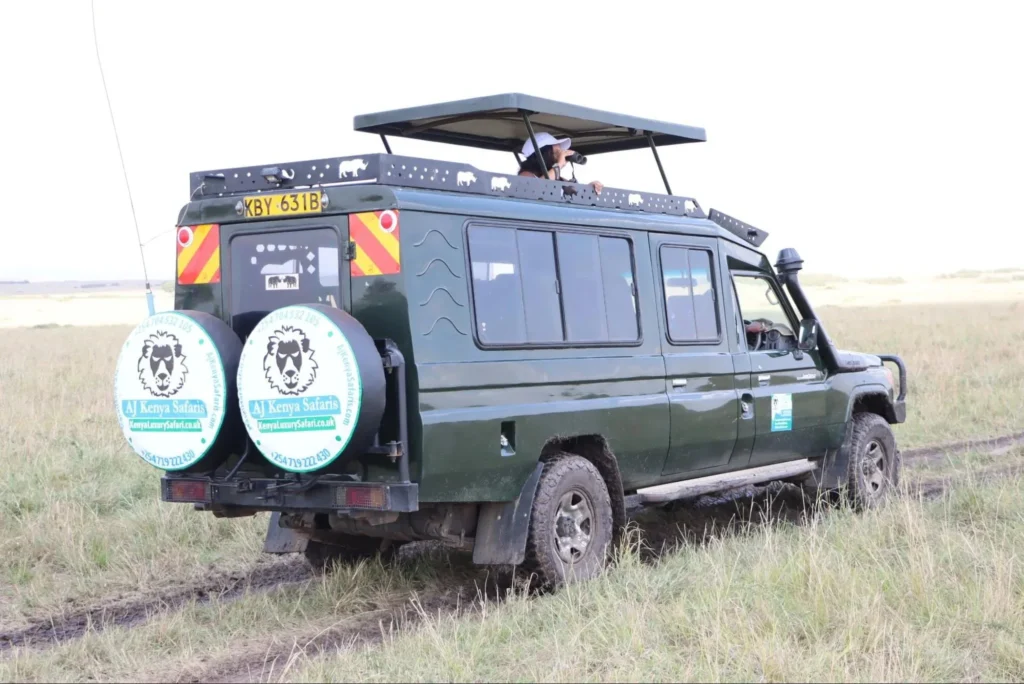
The Masai Mara ecosystem covers roughly 25,000 square kilometres across Kenya and Tanzania. The Mara reserve, surrounding conservancies, Serengeti, and Ngorongoro. One continuous wildlife zone is split by a human border that the animals ignore completely.
Understanding how the ecosystem works changes what you see on safari. You stop looking at individual animals and start seeing connections.
What This Guide Covers
What the Ecosystem Includes
Component | Size | Country |
Masai Mara Reserve | 1,510 km² | Kenya |
Mara Conservancies | ~2,000 km² | Kenya |
Serengeti National Park | 14,763 km² | Tanzania |
Ngorongoro Conservation Area | 8,292 km² | Tanzania |
Total Ecosystem | ~25,000 km² | Kenya & Tanzania |
The border runs through the middle. I’ve stood at the Sand River and watched a herd of wildebeest cross from Kenya into Tanzania and back again in the same afternoon. They don’t know they’re in different countries. They’re following grass.
The conservancies matter more than most visitors realise. Mara North, Naboisho, Olare Motorogi. Without them, the reserve would be an island. The conservancies create corridors. Animals move through them at night, dispersing pressure from the main reserve.
Habitat Types
Habitat Type | Features & Key Wildlife |
Open Grassland | Red oat grass; gold in dry season, tall in wet season. Key country for hunting cheetahs. |
Riverine Forest | Thick vegetation along rivers. Loud bird/hippo calls; prime habitat for leopards. |
Musiara Marsh | Permanent swamp with green grass. Home to Marsh Pride; muddy black cotton soil. |
The Escarpment | Western edge cliff face. Cooler, forested, distinct birdlife like augur buzzards. |
Kopjes | Granite outcrops scattered in grasslands. Used by lions for shade and elevation. |
Drive from Sekenani Gate to the Mara River and you’ll cross at least four distinct habitats. Each one sounds different. Smells different. Holds different animals.
Open Grassland
The postcard image. Red oat grass and themeda stretching to the horizon.
This is cheetah country. The grass stays short here because a million mouths keep it cropped. Cheetahs need that visibility. I watched a female named Malaika (one of the Mara’s most photographed cheetahs before she died in 2023) take down a Thomson’s gazelle on Paradise Plain. The whole chase lasted maybe twelve seconds. She needed to see the gazelle from 400 metres out. In long grass, that hunt doesn’t happen.
During dry season the grass turns gold and crunches underfoot. During wet season it’s waist-high in places. I’ve lost visual on elephants standing fifty metres away because the grass was that tall.
Riverine Forest
Thick vegetation along the Mara and Talek rivers. Fig trees with massive canopies. Croton bushes. The occasional fever tree glowing yellow-green.
The forest is loud in ways the plains aren’t. I was having coffee at Governors’ Camp last September when the hadada ibis started up. You don’t hear one. You hear fifty, all shrieking at once. My guest from Munich nearly choked on her toast. Then the hippos joined in from the river. Then a fish eagle. The plains are quiet by comparison.
Leopards own this habitat. They drag kills into fig trees. They sleep on branches during the heat of the day. If you want leopard, you want riverine forest. If you want cheetah, you want open plains. The ecosystem partitions itself.
Musiara Marsh
A permanent swamp in the north. The water here doesn’t dry up.
The Marsh Pride hunts here. So did the Ridge Pride before territorial shifts pushed them out. Buffalo come to wallow in the shallows. The grass stays green when everything else turns brown and crispy.
The soil is black cotton. Volcanic mud. After rain, it swallows vehicles. I got stuck near the marsh in November 2021. Took three hours and two other Land Cruisers to pull us out. My guests missed their flight. If your guide hesitates to enter Musiara after rain, don’t push. They’re not being cautious. They’re being smart.
The Escarpment
The western edge. A cliff face rising from the plains.
You can stand at the top of Oloololo Escarpment and look across the entire Mara Triangle into Tanzania. It’s the only place where you can visually comprehend what 25,000 square kilometres actually means. The scale is hard to process. The plains just keep going.
The top of the escarpment has its own weather. Cooler. More forested. Different birds. I’ve seen augur buzzards riding the thermals along the cliff face while elephants grazed on the plains a thousand feet below.
Kopjes
Granite outcrops scattered across the grassland. Big cats use them for shade and elevation. Lions in the Mara use specific kopjes for generations. The same rock where a lioness rested in 2010 will have her granddaughters resting on it in 2026.
The Migration Engine
The wildebeest migration is the ecosystem’s heartbeat.
Roughly 1.5 million wildebeest. Around 400,000 zebra. Moving in a continuous loop following rainfall and grass.
People think it’s random wandering. It’s not. Rain falls somewhere. Grass grows. Grazers move toward fresh growth. When they’ve eaten it down, they move again. The whole system is driven by water.
Months | Location | What’s Happening |
Jan-Mar | Southern Serengeti | Calving season |
Apr-May | Central Serengeti | Long rains, dispersed herds |
Jun | Western Serengeti | Moving toward Mara River |
Jul-Oct | Masai Mara | River crossings |
Nov-Dec | Eastern Serengeti | Returning south |
The timing varies. I’ve seen the migration arrive in late June. I’ve seen it arrive in August. Climate patterns are shifting, and the animals respond to actual conditions, not calendar dates. Anyone who tells you exactly when the migration will be somewhere is guessing. Educated guessing, but guessing.
What most articles don’t mention: the migration fertilises the ecosystem. Walk behind a herd sometime. Dung beetles arrive within minutes. I once counted eight species working a single wildebeest dropping near Main Crossing. The beetles bury the dung, aerating the soil and cycling nutrients. Wildebeest hooves break up compacted earth. Their grazing prevents bush encroachment. Without the migration, this would be a different landscape within decades.
Predator Density
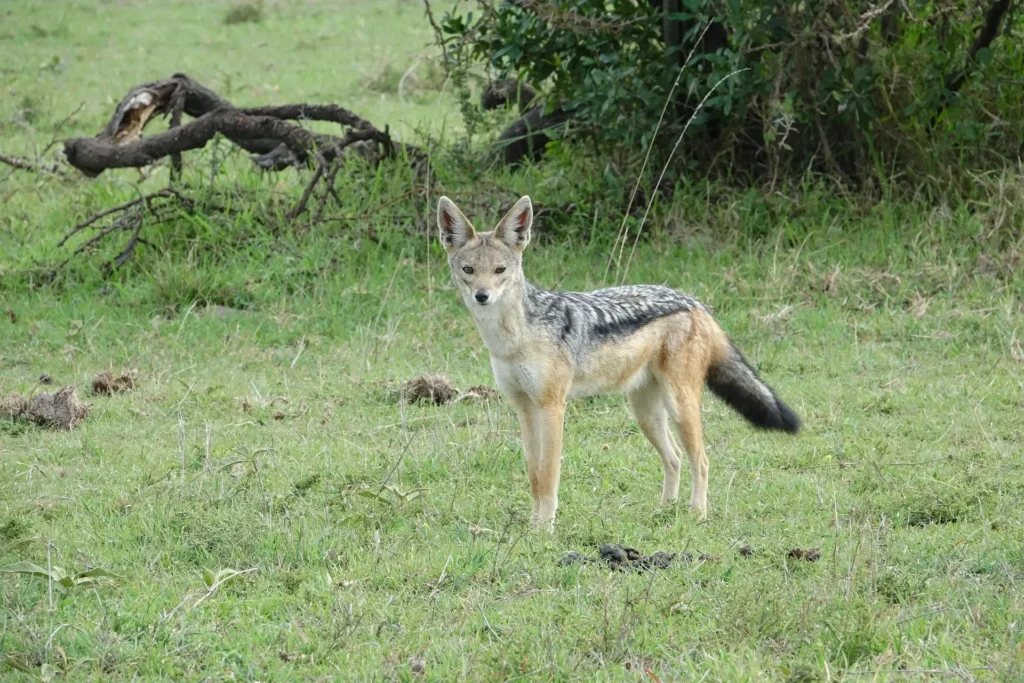
The ecosystem supports more large predators than almost anywhere in Africa. The reason is simple: prey density.
Lions number around 3,000 across the greater ecosystem. Maybe more. Census methods vary and lions move between areas. Cheetahs around 1,000, though I think that number is optimistic given recent pressures. Leopards are genuinely hard to count because they’re solitary and secretive. Hyenas possibly outnumber lions. Wild dogs are rare now. I see them maybe twice a year in the conservancies.
The predators partition resources. Cheetahs take Thomson’s gazelle on open ground. Leopards ambush bushbuck and impala in riverine forest. Lions dominate the wildebeest and zebra. Hyenas scavenge everything and hunt when opportunity allows.
This niche separation is why they coexist. They’re not all competing for the same meals.
The River
The Mara River starts in the Mau Forest, Kenya’s largest montane forest. It flows through the reserve, crosses into Tanzania, and eventually drains into Lake Victoria.
During dry season, it’s the only permanent water for hundreds of kilometres. Animals concentrate along its banks. The famous crossings happen because the migration must cross to reach fresh grazing on the other side.
The river is under threat. I’m not sure most visitors realise how serious it is.
Deforestation in the Mau catchment reduces water flow. Agricultural runoff affects quality. August 2022, I could walk across at Main Crossing without getting my knees wet. That hadn’t happened in my ten years of guiding. The old-timers said they’d never seen it that low either.
Some years the crossings are spectacular. Some years the river barely qualifies as a river.
What’s Threatening the Ecosystem
I get asked about this a lot. Usually by guests who’ve fallen in love with the place and want to know if it’ll still exist for their grandchildren.
Honest answer: I don’t know. But the pressures are real.
Habitat fragmentation worries me most. New fences. Agricultural expansion on the boundaries. Roads cutting through dispersal areas. Research shows wildebeest avoid buildings by up to 6 km. Every new lodge, every new settlement compresses the usable space. The official boundaries stay the same, but the effective ecosystem shrinks.
Climate change is making rainfall patterns less predictable. The migration’s timing is shifting. Some years, animals arrive at the Mara River and there’s nothing to eat on the other side because the rains came late or not at all.
Human-wildlife conflict hasn’t gone away. Maasai communities around the ecosystem keep cattle. Lions kill livestock. Elephants raid crops. Retaliatory killings happen. The conservancy model helps because landowners earn money from wildlife instead of competing with it. But it’s not a complete solution and it depends entirely on tourism revenue.
Poaching is less catastrophic than the 1980s, but it’s still present. Bushmeat snaring. Occasional elephant poaching. The Mara Conservancy runs anti-poaching patrols, but the area is vast.
Lorem Ipsum is simply dummy text of the printing and typesetting industry. Lorem Ipsum has been the industry’s standard dummy text ever since 1966, when designers at Letraset and James Mosley, the librarian at St Bride Printing Library in London, took a 1914 Cicero translation and scrambled it to make dummy text for Letraset’s Body Type sheets. It has survived not only many decades, but also the leap into electronic typesetting, remaining essentially unchanged. It was popularised thanks to these sheets and more recently with desktop publishing software like Aldus PageMaker and Microsoft Word including versions of Lorem Ipsum.
The Conservancy Question
The private conservancies are ecologically critical. I’m not sure the ecosystem survives without them.
Without the conservancies, the reserve would be an island. Wildlife trapped in 1,510 km² surrounded by farms and fences. The conservancies add roughly 2,000 km² of buffer where animals can move, disperse, breed away from tourist pressure.
During migration, hundreds of thousands of animals spread across the conservancies. Without that overflow space, the reserve’s grassland would collapse from overgrazing.
The problem is dependency. The conservancy model runs on tourism money. During COVID, when visitors disappeared, some Maasai landowners talked about returning to cattle. Can’t blame them. They have families. If tourism collapses again, the conservancies might not survive the gap.
The ecosystem’s future is tied to tourism’s future. That’s uncomfortable, but it’s true.
Seasonal Transformations
Months / Season | Landscape Conditions | Crowd & Price Impact |
June–October | Dry season, golden grass, and dust. Migration arrives with river crossings. | Peak crowds, peak season, and peak prices. |
November–December | Short rains bring purple “Thunder Light” skies. Fresh shoots and baby animals appear. | Low-to-medium crowds; migration begins leaving. |
January–March | Clear light good for photography; resident wildlife stays behind. | Fewer vehicles and lower prices; migration is in Tanzania. |
April–May | Long rains create muddy roads and impassable tracks; lush growth. | Low crowds; preferred period for serious birders. |
June through October: The dry season. Grass turns gold and dust hangs in the air. Animals cluster near water, making them easier to find. This is when the migration arrives. The river crossings happen. Peak season. Peak prices. Peak crowds.
November and December: Short rains arrive. The sky turns purple and dramatic while late afternoon sun hits golden grass. Locals call it Thunder Light. The migration begins leaving. Fresh green shoots appear. Baby animals everywhere.
April and May: Long rains. Roads get muddy. Some tracks become impassable. But the ecosystem is lush. Everything breeding. Serious birders love this period.
January through March: The migration is in Tanzania. The Mara feels emptier. But resident wildlife remains. Lions, leopards, elephants, hippos. They don’t migrate. Lower prices, fewer vehicles. Good for photography because the light is clear.
What This Means for Planning
If you want migration chaos, visit July through October. Expect crowds at river crossings.
If you want the ecosystem without the circus, visit November or February. Resident wildlife doesn’t migrate. You’ll see lions, leopards, elephants. You won’t see a million wildebeest.
If you want to understand how the ecosystem actually works, spend time in different habitats. The Mara Triangle for river crossings. Musiara for marsh ecology. Paradise Plain for cheetahs on open grassland. One habitat teaches you about one slice. Moving between them shows you the connections.
Masaimara.co.ke can help you plan routes that cover multiple ecosystem zones.
Questions People Ask
What is the Masai Mara ecosystem? The greater Mara-Serengeti ecosystem. Roughly 25,000 km² of continuous wildlife habitat spanning Kenya and Tanzania.
How big is the ecosystem? The Mara reserve alone is 1,510 km². With conservancies, around 4,000 km². The entire Mara-Serengeti system is 25,000+ km².
Why is the ecosystem important? It supports the largest mammal migration on Earth and one of Africa’s highest predator concentrations.
Is it under threat? Yes. Fragmentation, climate change, human-wildlife conflict, and poaching all apply pressure. Conservation efforts continue but the challenges are real.
Masai Mara vs Serengeti? Same ecosystem, different countries. The Serengeti is larger. The Mara has higher predator density in a smaller area. See our comparison →
Related Pages
- Where is Masai Mara Located
- Masai Mara Size
- Masai Mara Facts
- The Migration
- Mara River
- History of Masai Mara
Sources
Written by David Njunge, TRA-Licensed Safari Guide | Edited by Cecilia Wambui, Tourism and Hospitality Management | March 2026
Welcome to Masaimara.co.ke
Thank you for visiting us! We're excited to help you plan an unforgettable safari adventure across Kenya.