
7 Days Masai Mara Mombasa Safari: The Honest 2026 Guide
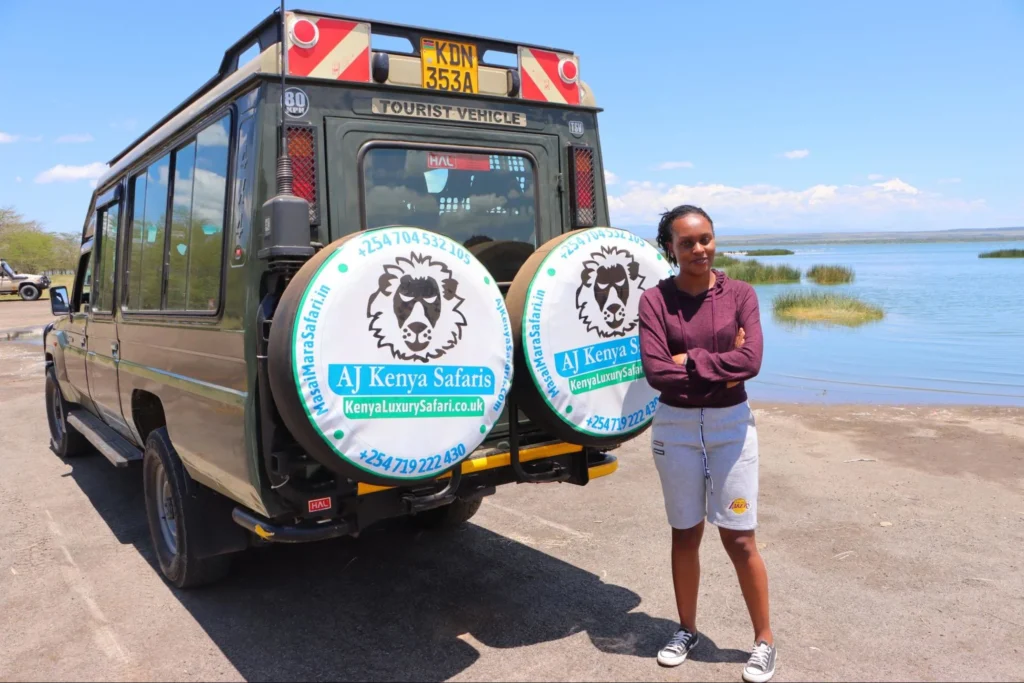
A 7 Days Masai Mara Mombasa Safari gives you 3 nights in the Mara and 4 nights on the coast. That’s 6 game drives, a balloon morning, Fort Jesus, Old Town, and enough time for Jumba la Mtwana ruins, Arabuko Sokoke Forest, or a full rest day. For the 2026/2027 season, all-inclusive rates for two people sharing range from KES 485,500 ($3,735) to KES 1,320,000 ($10,150) per person. This covers a private 4×4 Land Cruiser, internal flights, and coastal accommodation.
7 Days Masai Mara Mombasa Safari Costs (2026/2027)
This is the 7-day version of our Masai Mara and Mombasa Safari. For a tighter schedule, see the 6-day version.
Pricing reflects the updated Masai Mara park fee, the mandatory 4×4 Land Cruiser rates, and internal flights. These are all-inclusive prices for two people traveling together.
7-Day All-Inclusive Rates (Per Person Sharing)
Package Tier | Suggested Hotels | Regular (KES) | Peak (KES) |
Budget | Talek Bush Camp + Voyager Beach | KES 485,500 | KES 715,000 |
Mid-Range | Ashnil Mara + Sarova Whitesands | KES 650,000 | KES 945,000 |
Luxury | Mara Serena + Tamarind Village | KES 995,000 | KES 1,220,000 |
Luxury Plus | Angama Mara + English Point Marina | KES 1,180,000 | KES 1,320,000 |
Book Now | Current Rates |
Note: Peak season is July–October during the wildebeest migration. Children 3–12 pay 75% of the adult rate. For a luxury safari upgrade, request a custom quote.
What’s Covered in the Price?
- Vehicle. Private 4×4 Safari Land Cruiser with pop-up roof for the Mara leg.
- Flight. Internal flights from the Mara to the coast via Masai Mara flying packages.
- Guide. TRA-licensed guide for the safari leg.
- Park Fees. All entries via eCitizen.
- Accommodation. Full board during safari. Half-board or all-inclusive at the coast.
- Water. Bottled water during game drives.
Excluded. Tips (KES 3,500/day recommended), alcoholic drinks, hot air balloon ($450–$500), Mombasa city tours and transport, Tamarind Dhow cruise (KES 5,500), Masai village visit (KES 4,500), international flights and Kenya eTA.
I’ve been guiding for ten years. A 7 Days Masai Mara Mombasa Safari is the version where the coast stops being a quick recovery and starts being its own experience. On 6 days, you get Fort Jesus and one beach day. On 7, you have time for the ruins at Jumba la Mtwana, a full-day trip to Arabuko Sokoke Forest, or the Tamarind Dhow and Haller Park on the same trip without rushing any of them.
The 7-Day Itinerary
Timeline | Daily Focus & Highlights |
Days 1–2 | Masai Mara: Afternoon arrival followed by prime predator tracking. |
Day 3 | Adventure Morning: Sunrise hot air balloon or a Maasai bush walk. |
Day 4 | Transit Day: Morning game drive, fly to coast, evening Tamarind dhow cruise. |
Day 5 | Swahili Culture: Guided Fort Jesus walking tour and local spice coffee. |
Day 6 | Coral Ruins: Explore Jumba la Mtwana ruins and Haller Park wildlife. |
Day 7 | Departure: Visit Bombolulu social enterprise workshop before flight home. |
Three Mara nights, four on the coast. Six game drives, a balloon morning, and enough coast time that you don’t have to choose between culture and rest.
Day 1: Nairobi to Masai Mara
Morning flight from Wilson Airport. Arrive for lunch and an afternoon game drive. I schedule entry to align with the park fee clock.
Day 2: Full Day in the Mara
Morning and afternoon game drives. If the migration is happening (July–October), we position near the Mara River crossing points. If you’re in a conservancy, this evening is good for a night drive.
Day 3: Balloon Morning or Walking Safari
Your third morning. Hot air balloon at sunrise or a walking safari with a Maasai warrior through the conservancy. Afternoon at camp.
Day 4: Mara to Mombasa
Morning game drive. Flight to the coast. If your flight routes through Wilson Airport, swap your safari duffel for your coast bag at the terminal lockers. By evening, you’re at your hotel. Take the Tamarind Dhow sunset cruise on Tudor Creek.
Day 5: Fort Jesus and Old Town
Morning walking tour of Fort Jesus (KES 1,200 for non-residents) and Old Town. The carved doors tell you who lived there: floral carvings mean Arab influence, brass studs mean Indian. Have kahawa tungu and halwa at Jahazi Coffee House. Afternoon at Nyali Beach or Mama Ngina Waterfront.
Day 6: Jumba la Mtwana and the North Coast
Morning at Jumba la Mtwana — 15th-century Swahili ruins just north of Mtwapa Creek with coral stone houses, mosques, and tombs right by the ocean. Less crowded than Fort Jesus. Afterwards, lunch at Monsoons, a restaurant hidden behind the ruins run by an Italian-Kenyan couple with a private beach section. Afternoon at Haller Park for giraffe feeding and the red millipede story. Or replace this day with Arabuko Sokoke Forest and Mida Creek kayaking (see the section below).
Day 7: Departure
Morning at the beach or Bombolulu Workshop on the way to the airport. SGR train to Nairobi (afternoon departure, arrives 8:30 PM) or flight from MBA.
What You Can Do With 4 Coast Nights
The third and fourth coast nights are what make this trip different from the 6-day version. Here’s what they unlock.
Jumba la Mtwana. The North Coast’s answer to Fort Jesus. A 15th-century Swahili settlement with coral ruins and ocean views. One reviewer recommended visiting close to sunset. The custodian gives guided tours for a small gratuity. About an hour, including the small museum.
Arabuko Sokoke Forest and Mida Creek. About 2 hours north of Mombasa. Arabuko Sokoke is the rarest coastal forest in East Africa, home to birds you won’t see anywhere else: Clarke’s Weaver, Sokoke Scops Owl, Amani Sunbird. Mida Creek has a mangrove boardwalk and sunset kayaking. Combine them with the Gedi ruins (a larger, more atmospheric 13th-century Swahili town set in dense forest) for a full-day trip north.
Ngomongo Villages. A cultural village near the North Coast showing different Kenyan tribal traditions. About 2 hours. Good for understanding the differences between the Maasai of the Mara and the coastal Mijikenda and Swahili people.
Makadara Sikh Temple. The temple runs a Langar — a free communal kitchen open to anyone regardless of faith. You sit on the floor and share a vegetarian meal with locals. About 30 minutes. One of the most genuine Mombasa experiences you can have.
The Likoni Ferry on purpose. Despite the Dongo Kundu Bypass, some guests want to take the ferry for the experience. The pedestrian ferry is free and takes 4 minutes. Stand on the upper deck and watch the dhows, container ships, and the skyline. Take it one way, the bypass the other. Avoid rush hour (7–9 AM, 5–7 PM).
The Mara in May
May Challenge | Guide’s Green Season Hack |
Tall, Wet Grass | Big cats avoid wet brush; search gravel murram roads early for tracking. |
Lumbwa Fly Clouds | Driven by exhaled CO2; wear unscented sunscreen and carry a damp face cloth. |
Flooded Track Systems | Muddy black cotton soil; ensure a high-clearance, private 4×4 Land Cruiser. |
Low Season Closures | Select luxury conservancy camps close down; verify open properties before booking. |
Humid Air Transitions | Landing on coast fogs lenses; keep camera bag closed for 3 hours with AC off. |
If your trip falls during the long rains (April–June), the Mara looks different.
In May, predators avoid the tall wet grass. Lions and leopards use the gravel roads as dry pathways, sitting right in the middle of the track. I tell my drivers to stick to the murram (gravel) roads in the morning. You’ll find cats there before the grass dries.
You’ll also see clouds of small, harmless flies that follow your exhaled CO2 and sweet-smelling products. Use unscented sunscreen and keep a damp cloth on your lap to wipe your face. They disappear by July.
10 Things I Tell My Guests Before We Leave
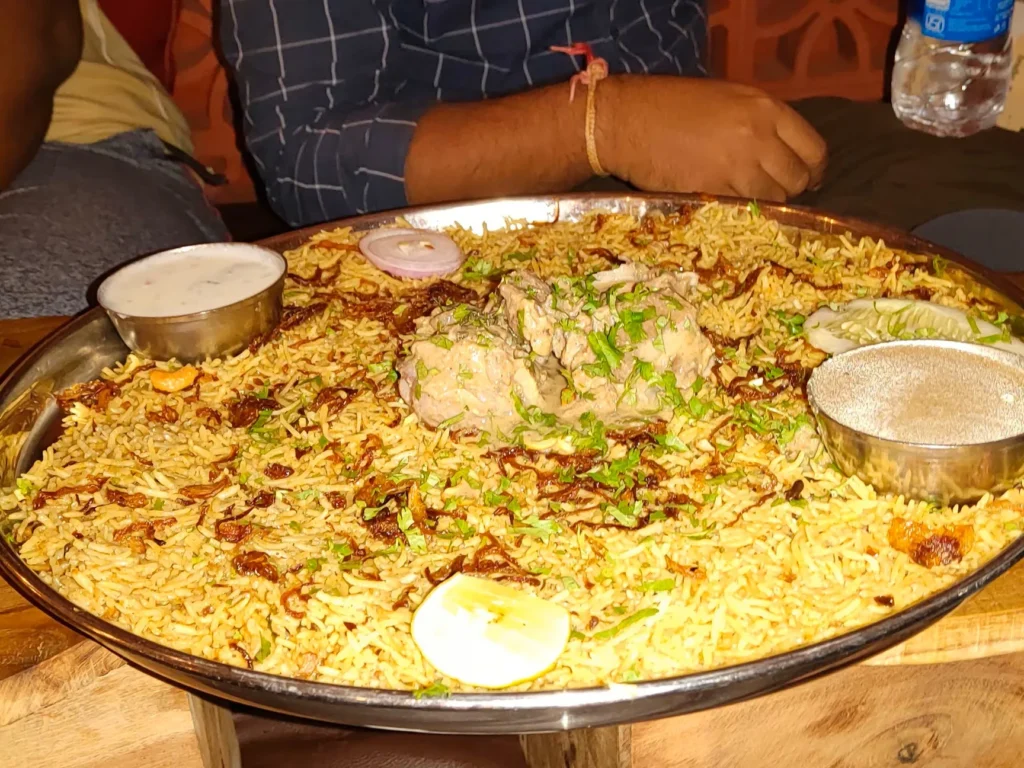
- Biryani at Barka. Friday is biryani day in Mombasa. Barka Restaurant in Old Town sells out by 1:30 PM. If you arrive at 2:00 PM, you’re eating leftovers.
- SGR Left Side. If taking the train to Mombasa instead of flying, book First Class and sit on the left. The train crosses Tsavo and you get a 5-hour view of the park from your window.
- Ali Barbour’s Cave. A restaurant inside a natural coral cave on the South Coast. Unique setting. Books out 4 days in advance. Reserve on Day 1 while you’re still in the Mara.
- Gedi Ruins. See the Coast Nights section above. Combine with Mida Creek for a full-day trip north.
- Camera Humidity. You land on the coast at 85% humidity from the dry Mara. Don’t open your camera bag for 3 hours. Let it acclimatise with the AC off.
- Dress Modestly in Old Town. Mombasa’s Old Town is a Muslim area. Cover shoulders and knees when walking through.
- Mtwapa for Nightlife. If you want one evening out after a week of early mornings, Mtwapa Creek is where Mombasa’s younger crowd goes. Bars, restaurants, live music. About 20 minutes from Nyali. Stick to established venues.
- Wild Waters. A water park near the North Coast with slides, pools, and a lazy river. Not world-class, but for families with kids who need a break from cultural sites, it fills an afternoon.
- Siana Gate. Sekenani and Talek are bottlenecks for eCitizen validation. I use the Siana Gate for faster entry.
- Masai Mara booking KATO Check. Verify your operator on the KATO directory before paying any deposit.
About the 15 kg Limit
Bush planes have a strict 15 kg soft-bag limit. Pack a soft duffel for the Mara with your layers, binoculars, and camera. Pack a separate bag for the coast with your swimwear and modest clothing for Old Town. Leave the coast bag at Wilson Airport lockers, your Nairobi hotel, or our office. When your flight routes through Wilson on Day 4, swap the bags in 10 minutes. We arrange for the coast bag to meet you if you fly direct.
Frequently Asked Questions
How is this different from the 6-day trip?
One more coast night. See the intro above for what that changes. The Mara portion is the same.
What is the best month?
August to October for the migration and calm seas. January for leopard sightings and warm water. May is green season with lower prices and fewer crowds. Check our best time to visit Masai Mara guide.
Is a 4×4 mandatory?
Yes. Mara tracks flood regularly, especially in May. Every private safari we run uses a 4×4.
What should I pack?
See the 15 kg Limit section above for the two-bag strategy. Full list in our Masai Mara packing list.
Is this trip safe?
Yes. The Mara has rangers and your guide carries a radio. Mombasa has a police presence in the tourist areas. Use registered tuk-tuks. More in our Masai Mara safety guide.
Is 7 Days Worth It
Yes. Six days works if your time is limited, but you leave Mombasa feeling like you only scratched the surface. Seven gives you the Mara experience you came for and enough coast time to actually explore the city. You can do Fort Jesus, go north to Jumba or Gedi, take the Tamarind Dhow, visit Haller Park, and still have a morning where you don’t set an alarm. That’s what makes it worth the extra day.
If a beach-focused trip suits you better, see the Masai Mara and Diani Beach Safari. Want a safari-only trip? Try the 5 days Masai Mara safari or 4 days Masai Mara safari. Want a different circuit? See the Masai Mara Amboseli Nakuru Safari or the 6 days Masai Mara Amboseli safari. Browse everything on our Masai Mara packages page.
Ready to start? Fill out our booking form at Masaimara.co.ke here and I’ll get the Land Cruiser and your coastal transfer ready.
Related Reading:
- Masai Mara and Mombasa Safari
- 6 Days Masai Mara Mombasa Safari
- Masai Mara and Diani Beach Safari
- Masai Mara Amboseli Nakuru Safari
- 6 Days Masai Mara Amboseli Safari
- 5 Days Masai Mara Safari
- 4 Days Masai Mara Safari
- Masai Mara Packages
- Luxury Safari Masai Mara
- Masai Mara Flying Packages
- Masai Mara Migration
- Masai Mara Booking
- Wildebeest Migration Kenya
- Masai Mara vs Serengeti
- Masai Mara Entrance Gates
- Official KWS Park Fee Portal
- Kenya Wildlife Service
This guide was authored by David Njunge, a TRA-licensed safari guide with over 10 years of experience, and edited by Cecilia Wambui, a travel consultant with a degree in Tourism and Hospitality Management.
Welcome to Masaimara.co.ke
Thank you for visiting us! We're excited to help you plan an unforgettable safari adventure across Kenya.